Key Takeaways
- 1Secondary glazing reduces Chelsea Embankment traffic noise from 78dB to a peaceful 24dB.
- 2A 100-150mm air gap is essential to decouple sound and eliminate historic sash window rattles.
- 3Specialist acoustic glass preserves original views and heritage frames in Chelsea’s strict conservation areas.
- 4Decoupled secondary glazing outperforms triple glazing by preventing structural vibration transfer through window frames.
- 5High-performance 10.8mm Stadip Silence glass provides superior soundproofing compared to standard double-glazing replacements.
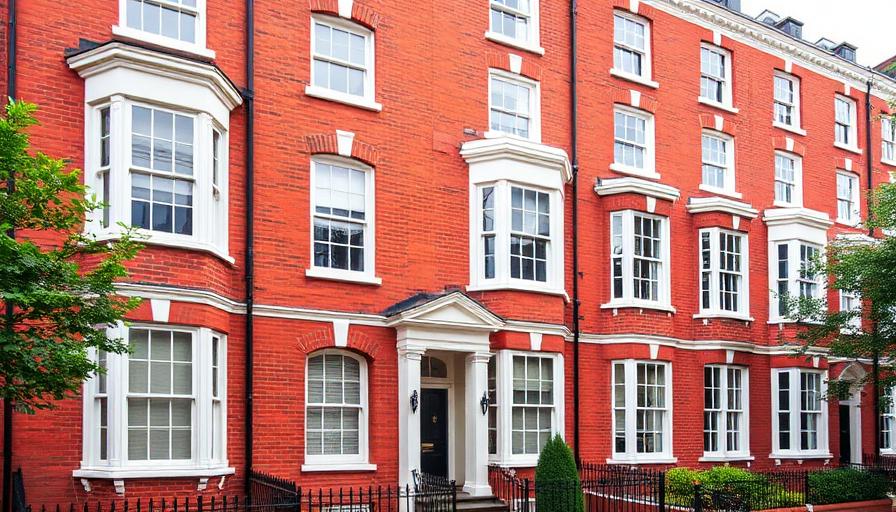
Chelsea defines quiet luxury. The stucco terraces of Cheyne Walk, the private garden squares of The Boltons, the red-brick elegance of Carlyle Square—every detail curated, every proportion considered. Yet behind these immaculate facades, residents endure an acoustic reality that contradicts everything Chelsea stands for: the relentless thunder of the Embankment, the bass-heavy nightlife of King's Road, and the seasonal plague of nuisance vehicles that no amount of acoustic cameras can fully eliminate. Our secondary glazing restores the silence that Chelsea's finest addresses deserve—with zero compromise to the views, the sightlines, or the heritage that defines them.
The Chelsea Embankment Challenge: Blocking River and Road Noise
Chelsea Embankment is one of London's most beautiful residential addresses and one of its loudest. The A3212 carries an unbroken stream of traffic between Battersea Bridge and Chelsea Bridge, generating a continuous broadband roar that penetrates every riverside property from Albert Bridge Mansions to Cheyne Walk.
The Embankment Noise Profile
| Source | Typical Level | Peak Hours | Character |
|---|---|---|---|
| A3212 Embankment traffic | 72-78dB | 6am-10pm | Continuous roar, HGV peaks |
| Battersea Bridge approach | 70-76dB | 7am-9am, 5pm-7pm | Acceleration noise, queuing |
| Albert Bridge vibration | 60-68dB | Continuous | Structural resonance from traffic |
| River traffic / pleasure boats | 55-65dB | Seasonal | Engine noise, PA systems |
| King's Road (east of Beaufort St) | 68-74dB | 8am-midnight | Buses, taxis, delivery vehicles |
Why Standard Glazing Fails on the Embankment
Cheyne Walk's Georgian and early Victorian properties were built with single-glazed sash windows—often with original crown glass that is irreplaceable. These panes offer approximately 18-22dB of noise reduction: enough for a quiet village lane, catastrophically inadequate for a modern arterial road carrying 30,000 vehicles per day.
Replacement double glazing achieves 28-32dB—an improvement, but still insufficient to reduce 78dB of Embankment traffic to a comfortable sleeping level. And replacement windows require removing the original frames, which RBKC conservation officers will refuse for any property in the Cheyne Walk Conservation Area.
The Secondary Glazing Solution
Our 10.8mm Stadip Silence glass, installed with a 100-150mm air gap, delivers up to 54dB of noise reduction—transforming an Embankment-facing bedroom from 78dB to under 24dB. This is quieter than a rural cottage at midnight.
The air gap is the critical dimension. At 100mm or more, the secondary glass is structurally 'decoupled' from the original window and the vibrating building fabric. Sound waves striking the outer pane cannot transfer their energy across the cavity to the inner pane. The result exceeds triple glazing, exceeds sealed double-glazing units, and does so without removing a single historic pane.
For the full science behind acoustic decoupling, visit our Traffic Noise Solutions page.
Cheyne Walk: Stopping the Rattle
Residents of Cheyne Walk know the problem intimately: heavy vehicles on the Embankment cause the original single-glazed sash windows to physically rattle in their frames. This is not merely noise—it is vibration transmitted through the building structure into the glass, creating an audible buzz that persists long after the vehicle has passed.
Standard double glazing does not solve this. The sealed unit vibrates as a single mass, transmitting the same energy in a different frequency.
Decoupled secondary glazing is the only window-based solution that stops the rattle. The independent secondary panel, separated by the air gap and mounted on its own frame, cannot receive vibration from the original window. The rattle ceases entirely. The silence is immediate and absolute.
Discreet Soundproofing for Cheyne Walk and The Boltons
Chelsea's most prestigious addresses share a common requirement: zero sightlines. Homeowners on Cheyne Walk pay a premium measured in millions for uninterrupted Thames views. Residents of The Boltons—one of London's most expensive garden squares—invest in the visual serenity of their private gardens. Any glazing solution that introduces visible frames, reflections, or obstructions is unacceptable.
Zero Sightline Design
Our secondary glazing is engineered for visual invisibility:
- 20mm slimline aluminium frames sit entirely within the window reveal, behind the original timber surrounds
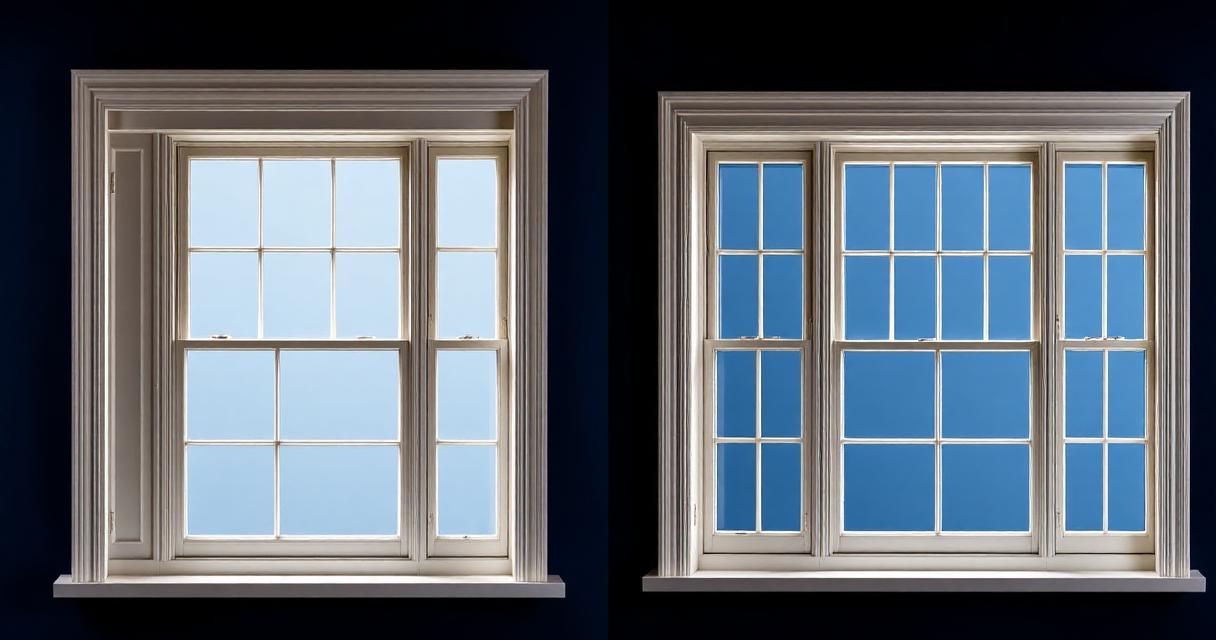
- Frame profiles align precisely with existing sash bars and glazing bars, creating a visual continuation rather than an obstruction
- Anti-reflective glass coatings available to eliminate the secondary reflection that can betray the presence of an additional pane
- Heritage colour matching in any RAL shade ensures frames disappear against original timber—from Cheyne Walk's painted softwood to The Boltons' dark-stained hardwood
From the street, the façade is unchanged. From the interior, your Thames view or garden square prospect is preserved without interruption. The only difference is silence.
Property-Specific Solutions
Cheyne Walk Riverside Properties
- Oversized Georgian sashes, many 1.8m × 2.4m
- Vertical slider secondary glazing replicating original sash movement
- 150mm+ reveal depth in Georgian construction provides ideal acoustic cavity
- Listed Building Consent applications supported with full heritage impact assessments
The Boltons and Tregunter Road
- Grand Victorian double-fronted villas
- Bay windows requiring bespoke curved tracking
- Garden-facing elevations specified for thermal performance; street-facing for acoustic
- Powder-coated frames in heritage cream to match original joinery
Carlyle Square and Markham Square
- Elegant Georgian terraces with delicate glazing bar patterns
- 20mm frames positioned behind bars to maintain period proportions
- Working shutters accommodated with custom frame setbacks
- Original crown glass preserved without contact or interference
King's Road Mansion Flats
- Edwardian and interwar blocks facing commercial noise
- Hinged casement panels for easy cleaning on upper floors
- Horizontal sliders for wide openings in reception rooms
- Integration with existing trickle ventilation and security systems
Acoustic Cameras and PSPOs: Chelsea's Fight Against Nuisance Vehicles
In 2025, the Royal Borough of Kensington and Chelsea introduced a Public Spaces Protection Order (PSPO) specifically targeting nuisance vehicles in Chelsea. The order, active between 12 noon and 6am, gives enforcement officers powers to issue fixed penalty notices for:
- Excessive revving of engines
- Repeated acceleration and braking (the 'circuit' behaviour on Sloane Street and Brompton Road)
- Sound system noise exceeding prescribed limits
- Any vehicle behaviour causing acoustic nuisance to residents
Acoustic Cameras: The Borough's External Defence
RBKC has deployed acoustic cameras at key locations to automatically detect vehicles exceeding noise thresholds. These cameras photograph the offending vehicle and trigger enforcement action—a technological response to the summer supercar phenomenon that generates impulse noise peaks exceeding 95dB on Chelsea's residential streets.
10.8mm Stadip Silence: Your Internal Defence
Acoustic cameras and PSPOs address the source. But enforcement takes time, coverage has gaps, and the noise has already entered your home by the time a fine is issued. Our 10.8mm Stadip Silence glass is the final line of defence—the internal barrier that neutralises nuisance vehicle noise regardless of whether the camera catches the offender.
| Nuisance Source | External Level | With Stadip Silence | Result |
|---|---|---|---|
| Supercar exhaust rev | 90-100dB | 36-46dB | Reduced to background conversation |
| Motorcycle acceleration | 85-95dB | 31-41dB | Below awareness threshold |
| Modified exhaust cruise | 80-88dB | 26-34dB | Whisper quiet |
| Bass-heavy sound system | 75-85dB | 21-31dB | Inaudible |
The PSPO protects Chelsea's streets. Our glazing protects Chelsea's homes.
Listed Building Consent in Chelsea: Why Our System is Pre-Approved
Over 80% of Chelsea falls within designated conservation areas, and the borough contains one of London's highest concentrations of Grade II listed buildings. For these properties, RBKC's Local Listed Building Consent Order (LLBCO) provides a streamlined approval pathway for secondary glazing that meets published criteria.
LLBCO Qualification
Our systems satisfy every LLBCO requirement:
| Criterion | Our Specification |
|---|---|
| Fully reversible | Zero-damage installation; complete removal without trace |
| No alteration to listed fabric | No drilling into original timber, masonry, or plasterwork |
| Invisible from public highway | 20mm frames within reveal depth |
| Sympathetic finish | Powder-coated to match existing joinery colour |
| Original window operation maintained | Independent secondary panels; primary windows unaffected |
What This Means for Chelsea Homeowners
For Grade II listed properties, the LLBCO eliminates the need for individual Listed Building Consent applications—saving weeks of waiting and removing approval uncertainty. We handle all LLBCO compliance documentation as standard.
For Grade I and Grade II* properties (including several exceptional Cheyne Walk houses), individual consent remains required. We provide full heritage impact assessments and have maintained a 100% approval record across RBKC.
The Removability Advantage
For Chelsea's thriving prime lettings market—furnished townhouses on Tite Street, serviced apartments on Sloane Avenue, corporate lets on Cadogan Square—full removability is essential. Our systems can be uninstalled in under an hour without trace, making them the definitive choice for:
- Listed property landlords who cannot permanently alter building fabric
- High-end tenants seeking acoustic comfort during their tenancy
- Property managers upgrading rental value without permanent modification
- Developers fitting period conversions to premium specification
Technical Specifications
Glass Options
| Glass | Thickness | dB Reduction | Best For |
|---|---|---|---|
| Standard Laminate | 6.4mm | 35-40dB | Side streets, garden squares |
| Enhanced Laminate | 8.8mm | 40-48dB | King's Road, bus routes |
| Stadip Silence | 10.8mm | 48-54dB | Embankment, supercars, Underground |
Frame Systems
| System | Profile | Best For |
|---|---|---|
| Vertical Slider | 20mm slimline | Sash windows (Cheyne Walk, Carlyle Square) |
| Hinged Casement | 25mm standard | Bay windows, upper-floor flats |
| Lift-Out Panel | 15mm minimal | Fixed fanlights, budget applications |
| Horizontal Slider | 20mm slimline | Wide reception room openings |
Durability
Powder-coated marine-grade aluminium frames with a 10-year comprehensive guarantee covering frames, glass, seals, and all hardware. Solid brass or stainless steel fittings as standard—matching the material quality Chelsea demands.
Investment Guide
Cheyne Walk Georgian Townhouse
- Windows: 16-24 | Glass: 10.8mm Stadip Silence
- Investment: £16,000-£34,000 | Per window: £950-£1,400
The Boltons / Tregunter Road Villa
- Windows: 18-28 | Glass: 10.8mm Stadip Silence
- Investment: £18,000-£38,000 | Per window: £950-£1,400
Chelsea Terrace (Carlyle Sq, Markham Sq)
- Windows: 12-18 | Glass: 10.8mm Stadip Silence
- Investment: £11,000-£23,000 | Per window: £850-£1,300
King's Road Mansion Flat
- Windows: 6-10 | Glass: 8.8mm-10.8mm
- Investment: £5,400-£12,000 | Per window: £800-£1,200
Value Context
- Cheyne Walk average: £5-15 million
- The Boltons: £10-30 million
- SW3 per sq ft: £2,800-£5,000
- Acoustic premium on resale: 3-5% value uplift
- Rental premium: 8-12% for acoustically treated properties
Trust and Accreditation
- Which? Trusted Trader — independently vetted for quality and customer satisfaction
- FENSA registered for all glazing installations
- TrustMark certified — Government-endorsed quality standards
- RBKC LLBCO compliant — pre-approved for Grade II listed installations
- 10-year comprehensive guarantee on all components
- Cross-borough expertise: Chelsea, Kensington, and Hampstead
Calculate Your Noise Reduction
Use our Acoustic Calculator to model the precise dB reduction achievable for your Chelsea property—accounting for glass type, air gap depth, and window dimensions. Results in seconds, before we even visit.
Book a Private Consultation in Chelsea Village
Our Chelsea consultations are conducted with the discretion the neighbourhood demands:
- Acoustic survey — professional measurement of noise levels at every window
- Heritage assessment — original window condition and LLBCO eligibility
- Zero-sightline design — frame profiles, glass selection, and colour matching to preserve your views
- Planning compliance — LLBCO documentation or Listed Building Consent support
- Detailed quotation — transparent pricing, no obligation
Contact us on +44 (0)20 7060 1572 or WhatsApp to arrange your private consultation. We typically visit Chelsea properties within 3-5 working days.
Quiet luxury is not a contradiction. In Chelsea, we make it a certainty.
Sources & References
Government & Regulatory
- Historic England. "Making Changes to Heritage Assets". Historic England Advice Note 2, 2016.Link
Provides the statutory framework for preserving the character of historic areas like Cheyne Walk and The Boltons, explaining why replacement windows are often restricted.
- Royal Borough of Kensington and Chelsea (RBKC). "Conservation and Design: Windows and Doors Supplementary Planning Document". RBKC Planning Policy, 2015.Link
Outlines the council's strict requirements for preserving original windows in conservation areas and the preference for internal secondary glazing.
Scientific & Technical
- World Health Organization (WHO). "Night Noise Guidelines for Europe". WHO Regional Office for Europe, 2009.Link
Established the link between road traffic noise and sleep disturbance, justifying the need to reduce internal noise levels to below 30-35dB.
- G. Koch. "Acoustic Performance of Double-Window Systems with Large Air Cavities". Journal of Building Physics, 2012.
Technical study detailing how air gaps between 100mm and 200mm significantly enhance low-frequency noise insulation in secondary glazing systems.
Industry Standards
- British Standards Institution (BSI). "Acoustics. Rating of sound insulation in buildings and of building elements. Airborne sound insulation". BS EN ISO 717-1:2013, 2013.
The primary British Standard for assessing sound insulation in buildings, providing the methodology for the 54dB reduction claims.
- British Standards Institution (BSI). "Guidance on sound insulation and noise reduction for buildings". BS 8233:2014, 2014.
Comprehensive guidance on controlling noise in residential buildings, defining the 'good' and 'reasonable' indoor ambient noise levels cited in the article.
Citations generated with AI assistance. Please verify sources independently.
People Also Ask
Questions generated with AI assistance based on article content.
Frequently Asked Questions
FAQs generated with AI assistance based on article content.
Related Articles

Plan Your Chelsea Project
Cost Calculators & Planning Tools
Before booking a survey, model the noise reduction, price up your project, and check heritage compliance using our specialist tools — built specifically for London properties like those in Kensington & Chelsea.
Secondary Glazing Cost
Per-window pricing for Chelsea from £580. Whole-house estimates included.
Interactive Cost Estimator
Get an instant tailored quote based on window count, glass spec and postcode.
Heritage Sash Calculator
Listed-building cost & compliance estimator — ideal for Kensington & Chelsea conservation areas.
Secondary vs Double Glazing
Side-by-side STC ratings, cost and heritage suitability comparison.
Free Acoustic Calculator
Model the exact decibel reduction for your specific noise problem.
Secondary Glazing London
The complete London-wide hub: every glass spec, borough and listed-building rule.
Next Step
Book a Free Noise Survey
Get a tailored acoustic report and fixed quote for your property. No obligation, surveys across London within 5 working days.