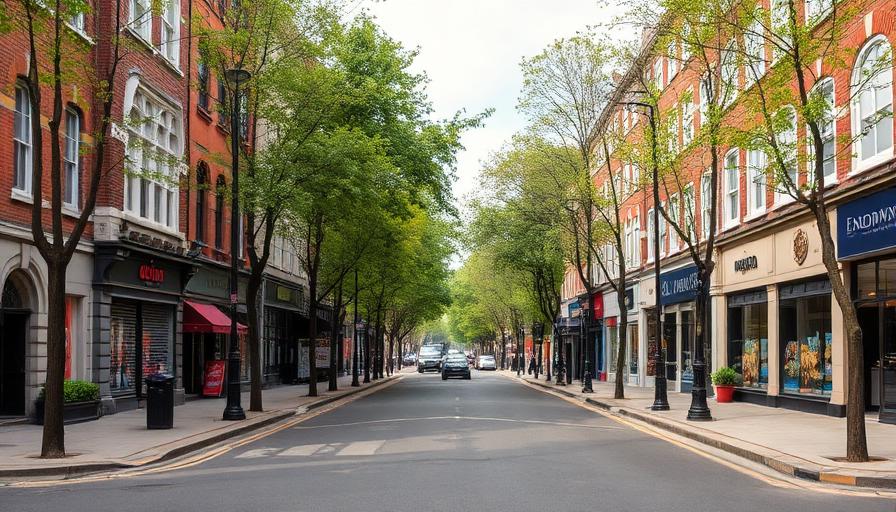
Ealing's reputation as the "Queen of the Suburbs" brings with it beautiful Edwardian architecture and leafy streets, but also significant noise challenges from busy arterial roads, the Elizabeth Line, and Heathrow flight paths. For homeowners in W5 and W7, secondary glazing offers the perfect balance of heritage preservation and modern acoustic comfort.
The Ealing Noise Landscape
Understanding local noise sources is essential for effective acoustic treatment:
Uxbridge Road (A4020)
- One of London's busiest arterial routes
- Peak traffic noise: 74-80dB at facade
- Heavy bus traffic on multiple routes
- Continuous flow from early morning to late evening
Elizabeth Line (Crossrail)
- New high-frequency service through Ealing Broadway
- Increased train movements compared to historic levels
- Vibration transmission in properties near the line
- Station announcements audible to nearby residents
Great Western Main Line
- Intercity and freight services through Hanwell
- Historic Wharncliffe Viaduct carrying significant traffic
- Low-frequency vibration in adjacent properties
- Night freight creating sleep disturbance
Heathrow Eastern Approach
- Ealing directly under major flight paths
- Aircraft noise: 62-75dB depending on weather patterns
- Concentrated movements during peak hours
- Low-frequency engine noise requiring specialist treatment
Ealing's Conservation Heritage
The borough contains over 30 conservation areas, with particular concentrations around:
Ealing Town Centre Conservation Area
Predominantly Victorian and Edwardian commercial and residential properties featuring:
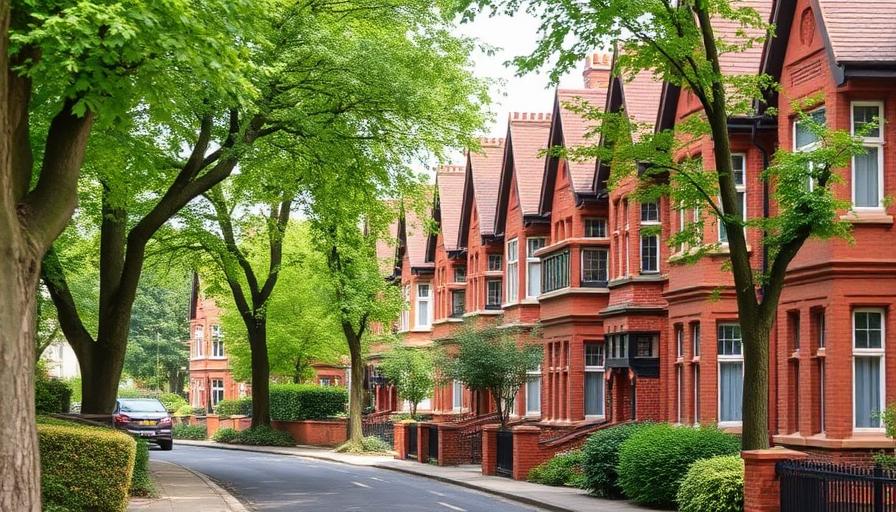
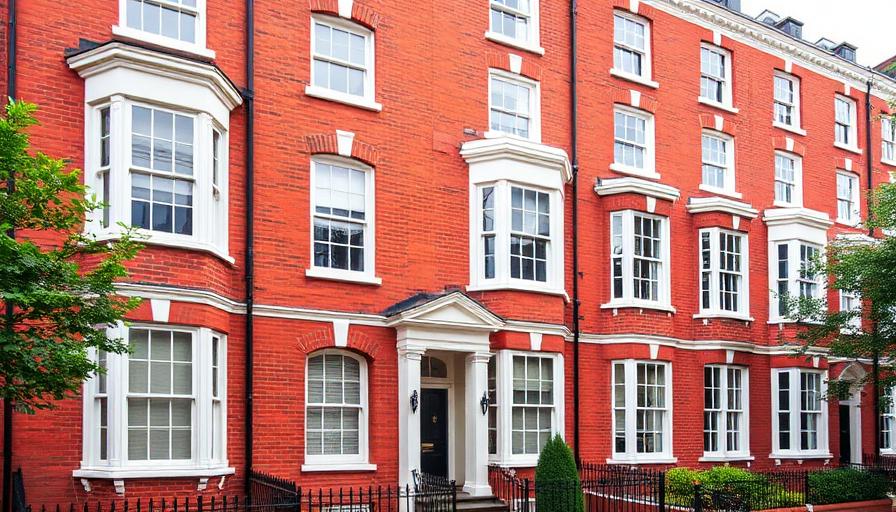
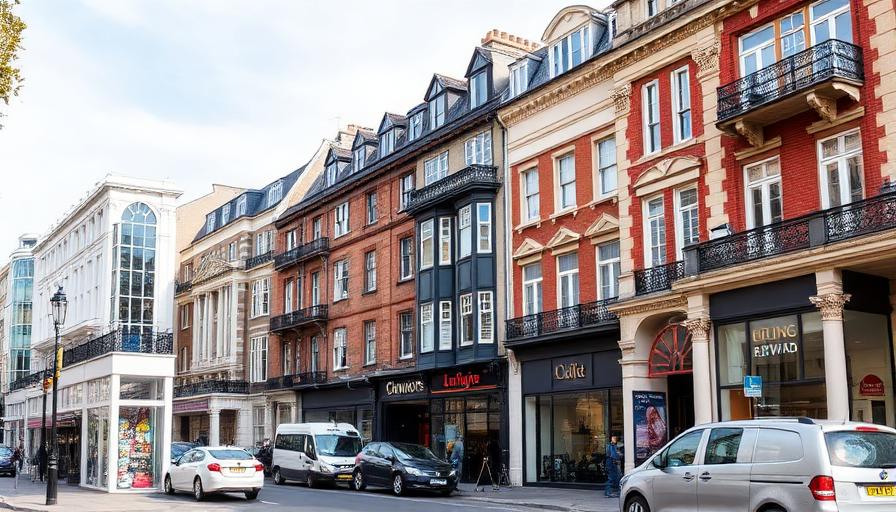
- Red brick Edwardian terraces with bay windows
- Decorative terracotta detailing and carved stonework
- Original timber sash windows in various configurations
- Stained glass features in entrance halls and landings
Haven Green and Ealing Common
High-value residential areas with:
- Large detached and semi-detached villas
- Arts and Crafts influenced properties from the 1900s-1920s
- Substantial bay windows with complex geometry
- Coach houses and mews conversions with unique fenestration
Hanwell Conservation Areas
The Hanwell Village and Brent Valley areas feature:
- Georgian cottages along the historic High Street
- Victorian railway workers' housing near the viaduct
- Substantial Edwardian family homes on tree-lined avenues
- Converted industrial buildings with large metal-framed windows
Technical Approach for Ealing Properties
Edwardian Window Characteristics
W5 and W7 properties typically feature:
Standard Edwardian Sash Windows
- 2-over-2 or 1-over-1 configurations
- Larger pane sizes than Victorian predecessors
- Deeper reveals accommodating substantial secondary frames
- Typical dimensions: 1.1m wide × 1.6m high
Edwardian Bay Windows
- Squared or canted bay designs
- Combination of fixed and opening lights
- Decorative upper sections with coloured glass
- Complex geometry requiring bespoke solutions
French Doors and Casements
- Garden access through reception rooms
- Tall, slender proportions
- Side-hung operation requiring hinged secondary units
- Integration with existing hardware
Glazing Specifications for Multi-Source Noise
Ealing's combination of road, rail, and aircraft noise requires carefully specified solutions:
Elizabeth Line Adjacent Properties
- 10.8mm acoustic laminated glass for low-frequency rail noise
- Vibration-isolating frame mounts
- 150-200mm cavity for maximum attenuation
- Consideration of structural decoupling for severe cases
Uxbridge Road Frontage
- 8.8mm acoustic laminated glass
- Enhanced sealing systems for continuous traffic noise
- Horizontal sliding for large bay windows
- Minimum 100mm cavity depth
Flight Path Exposure
- Multi-layer acoustic interlayer specifications
- Angled installations reducing direct transmission
- Combined treatment with roof/loft insulation
- 45dB+ reduction targets for habitable rooms
Case Study: Montpelier Road, Ealing
A substantial 1905 Edwardian semi presented complex multi-source noise challenges:
Initial Assessment
- Uxbridge Road traffic: 76dB at front facade
- Aircraft noise events: 68dB peak
- Elizabeth Line (800m distant): 52dB ambient
- Internal noise level: 55dB (well above comfort standards)
Installation Specification
- Slim-profile powder-coated aluminium frames (heritage bronze finish)
- 8.8mm acoustic laminated glass throughout
- 120mm cavity depth in existing reveals
- Horizontal sliders for ground floor bay, hinged units for bedrooms
Performance Achieved
- Combined noise reduction: 44dB
- Internal ambient: 26dB (library-quiet conditions)
- Heating cost reduction: 28% in first winter
- No alterations visible from street
Hanwell: Bridging Heritage and Transport
Hanwell's position astride the Great Western Main Line creates specific acoustic challenges:
Wharncliffe Viaduct Proximity
Properties near the Grade I listed viaduct experience:
- Frequent train passages (400+ daily)
- Low-frequency vibration transmission
- Historic brick construction amplifying sound transmission
- Listed building constraints on many adjacent properties
Recommended Approach
- Heavy-specification acoustic glazing (10.8mm minimum)
- Vibration-isolating frame mounting systems
- Comprehensive thermal sealing preventing flanking transmission
- Integration with wall and floor acoustic treatment where necessary
Brent River Valley
Properties overlooking the valley enjoy green space but face:
- A4 Western Avenue noise reflecting off valley sides
- Rail noise from multiple lines
- Aircraft on holding patterns
Cost Framework for Ealing Properties
Large Edwardian Villa (Haven Green area)
- Window count: 14-18 windows plus French doors
- Complexity factors: Bay windows, decorative glazing
- Investment range: £11,000-£18,000
- Per-window average: £700-£950
Standard Edwardian Terrace (W5/W7 residential streets)
- Window count: 10-14 windows
- Standard requirements: Quality acoustic glass, practical systems
- Investment range: £6,500-£11,200
- Per-window average: £550-£800
Hanwell Victorian Cottage
- Window count: 6-10 windows
- Heritage sensitivity: High for conservation area
- Investment range: £4,800-£9,000
- Per-window average: £650-£900
Value Considerations
Ealing property values make acoustic investment highly justifiable:
- Average house price W5: £1.1-1.8 million
- Premium for acoustic treatment: 2-4% value uplift
- Rental premium: £150-300/month for quiet properties
- Energy savings: £400-800 annually
Working with Ealing Council
Conservation Area Applications
While secondary glazing rarely requires planning permission, consider:
- Pre-consultation for listed buildings
- Demonstrating heritage-sympathetic design approach
- Providing technical specifications showing reversibility
- Maintaining records for future reference
Building Control Considerations
Standard installations are exempt, but verify:
- Maintained means of escape from bedrooms
- Adequate ventilation provisions
- Fire-rated materials where required
- Structural adequacy for large installations
Addressing Specific Ealing Challenges
South Ealing and Northfields
These areas face particular challenges from:
- Piccadilly Line surface section noise
- Boston Manor playing field events
- A4 Great West Road proximity
- Dense housing limiting natural barriers
Recommended specification: 8.8mm acoustic glass, 100mm minimum cavity, comprehensive sealing throughout.
West Ealing Regeneration Area
The ongoing development brings:
- Construction noise (temporary but significant)
- Changed traffic patterns
- New commercial activity
- Opportunity for acoustic treatment during renovation
Ealing Broadway Station Area
Elizabeth Line opening created:
- Increased footfall and associated noise
- Extended operating hours
- Construction impacts (now completing)
- Higher property values justifying investment
Installation Process for Ealing Properties
Survey and Specification
- Acoustic assessment: 24-hour monitoring capturing all noise sources
- Window survey: Detailed measurements and condition assessment
- Heritage review: Compatibility with building character
- Thermal analysis: Identifying secondary benefits
Manufacturing
- Bespoke frame fabrication (typically 3-4 weeks)
- Glass cutting and lamination to specification
- Quality control and testing
- Protective packaging for delivery
Installation
- Clean, professional installation by experienced teams
- Minimal disruption (typically one day for 6-8 windows)
- Full commissioning and adjustment
- Handover with maintenance guidance
Sustainability Benefits
Secondary glazing supports Ealing's climate objectives:
Carbon Reduction
- Retained embodied carbon in existing windows
- Reduced heating energy consumption
- Extended building lifespan
- Avoided manufacturing emissions
Energy Performance
- EPC improvement potential
- Reduced carbon footprint
- Lower utility bills
- Enhanced comfort year-round
Summary: Reclaiming Peace in the Queen of Suburbs
Ealing's combination of Edwardian elegance and modern transport connections makes secondary glazing an essential investment for comfortable living. Whether you're battling Elizabeth Line rumble, Uxbridge Road traffic, or Heathrow overhead, acoustic secondary glazing delivers measurable improvement whilst protecting your home's heritage character.
Key considerations for W5 and W7 homeowners:
- Multi-source noise requires comprehensive acoustic specifications
- Edwardian properties suit internal secondary glazing perfectly
- Conservation area status is protected by internal installation
- Energy savings provide ongoing return on investment
- Professional surveys ensure optimal results
The Queen of the Suburbs deserves royal peace and quiet. Contact our Ealing specialists for a comprehensive assessment of your acoustic needs and a heritage-sensitive proposal for your home.
People Also Ask
Related questions could not be generated at this time.
Frequently Asked Questions
FAQs could not be generated at this time.
Related Articles
Plan Your Ealing & Hanwell Project
Cost Calculators & Planning Tools
Before booking a survey, model the noise reduction, price up your project, and check heritage compliance using our specialist tools — built specifically for London properties like those in Ealing.
Secondary Glazing Cost
Per-window pricing for Ealing & Hanwell from £580. Whole-house estimates included.
Interactive Cost Estimator
Get an instant tailored quote based on window count, glass spec and postcode.
Heritage Sash Calculator
Listed-building cost & compliance estimator — ideal for Ealing conservation areas.
Secondary vs Double Glazing
Side-by-side STC ratings, cost and heritage suitability comparison.
Free Acoustic Calculator
Model the exact decibel reduction for your specific noise problem.
Secondary Glazing London
The complete London-wide hub: every glass spec, borough and listed-building rule.
Next Step
Book a Free Noise Survey
Get a tailored acoustic report and fixed quote for your property. No obligation, surveys across London within 5 working days.