Secondary Glazing in Chiswick & Bedford Park: Complete Guide for W4 Homeowners
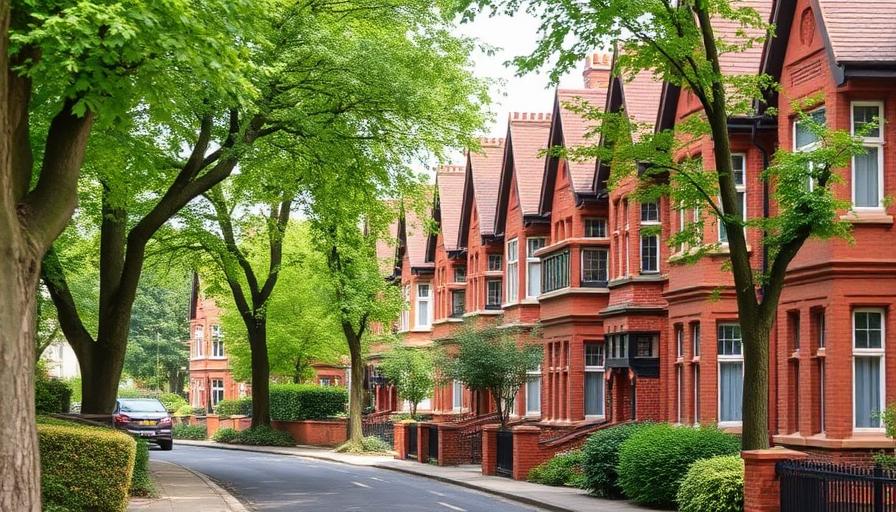
Living in Chiswick or Bedford Park means enjoying some of West London's most desirable residential streets, but it also means contending with significant noise challenges. From the constant hum of the A4 Great West Road to Heathrow flight paths overhead, acoustic comfort requires specialist solutions that respect your property's architectural heritage.
Understanding Chiswick's Unique Acoustic Environment
W4 presents a complex noise landscape shaped by major transport corridors and aviation activity:
A4 Great West Road Corridor
- Peak traffic noise levels: 75-82dB along the main carriageway
- Continuous flow 6am-midnight with heavy goods vehicles
- Low-frequency rumble penetrating standard glazing
Heathrow Flight Paths
- Western approach routes directly over Chiswick
- Aircraft noise events: 65-78dB during peak hours
- Low-frequency engine noise requiring specialist acoustic treatment
Chiswick High Road
- Busy retail and transport corridor
- Bus routes creating regular noise spikes
- Evening entertainment venues adding late-night disturbance
Underground and Rail
- District Line vibration in properties near Turnham Green
- Overground services through Chiswick station
- Ground-borne noise transmission in basement conversions
Bedford Park: Britain's First Garden Suburb
Bedford Park holds a unique position in British architectural history as the world's first planned garden suburb, developed from 1875. This status brings exceptional conservation requirements:
Conservation Area Significance
Hounslow Council's Bedford Park Conservation Area covers approximately 360 properties, predominantly featuring:
- Queen Anne Revival architecture by Norman Shaw and E.J. May
- Arts and Crafts influences with distinctive decorative elements
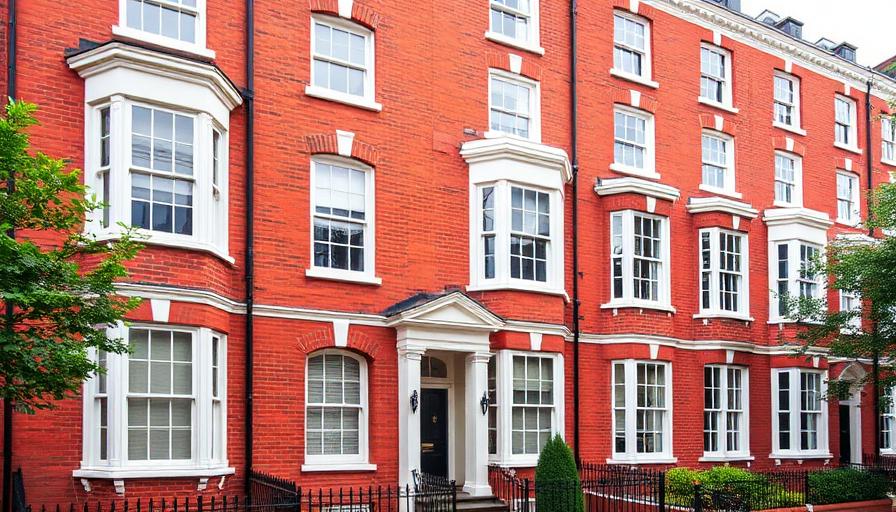
- Original timber sash windows with characteristic proportions
- Terracotta detailing and ornamental tile work
Planning Considerations
Any external alterations require careful navigation of:
- Article 4 Directions removing permitted development rights
- Strict controls on window appearance from street level
- Requirements for like-for-like materials in any visible repairs
- Heritage officer consultation for significant properties
Secondary glazing provides the ideal solution: installed internally, it requires no planning permission whilst delivering superior acoustic performance to external window replacement.
Technical Specifications for Chiswick Properties
Arts and Crafts Window Configurations
Bedford Park properties typically feature:
Ground Floor Reception Rooms
- Large bay windows with fixed central panes
- Side casements for ventilation
- Decorative leaded upper lights
- Typical dimensions: 2.4m wide × 1.8m high
First Floor Bedrooms
- Double-hung sash windows
- Characteristic 6-over-6 or 8-over-8 glazing bars
- Deep timber reveals accommodating secondary frames
- Standard dimensions: 1.2m wide × 1.5m high
Studio/Attic Spaces
- North-facing roof lights in artistic properties
- Large picture windows in later additions
- Specialist solutions for angled installations
Recommended Glazing Specifications
For Chiswick's mixed noise environment (traffic plus aircraft):
Flight Path Properties
- 10.8mm acoustic laminated glass (essential for low-frequency aircraft noise)
- Minimum 150mm air gap from primary window
- Acoustic seals rated to 45dB+ reduction
- Consideration of triple-layer systems for severe exposure
A4 Corridor Properties
- 8.8mm acoustic laminated glass for heavy traffic
- 100-150mm cavity depth
- Horizontal sliding systems for bay windows
- Enhanced perimeter sealing
Residential Street Locations
- 6.4mm laminated glass for general noise reduction
- 75-100mm standard cavity
- Lift-out or hinged systems for easy access
Case Study: The Avenue, Bedford Park
A Grade II listed 1880s Norman Shaw property presented complex challenges:
Initial Conditions
- Original 6-over-6 sash windows throughout
- A4 traffic noise: 72dB at bedroom facade
- Aircraft noise events: 68dB peak
- Internal ambient: 58dB (significantly above WHO guidelines)
Installation Approach
- Bespoke timber secondary frames matching existing joinery profiles
- Slim-profile aluminium for less visible locations
- 10.8mm acoustic glass with enhanced interlayer
- 180mm cavity depth in ground floor bays
Results Achieved
- Noise reduction: 47dB (combined traffic and aircraft)
- Internal ambient reduced to 28dB
- No visible external change
- Full heritage officer approval
Chiswick Riverside Properties
Properties along Chiswick Mall and the riverside present different acoustic challenges:
Unique Considerations
- River traffic noise from pleasure boats and commercial vessels
- Helicopter movements along the Thames corridor
- Rowing events creating periodic intense noise
- Wind exposure requiring enhanced thermal performance
Georgian and Early Victorian Stock
Riverside properties often feature:
- Large sash windows with river views
- Deep window reveals in substantial brick construction
- Basement and lower ground accommodation
- Multiple aspect rooms requiring comprehensive treatment
Recommended Solutions
- Horizontal sliding secondary glazing for wide openings
- Toughened glass options for ground floor security
- Integrated ventilation systems maintaining air quality
- UV-filtering glass protecting period interiors
Cost Analysis for W4 Properties
Investment requirements vary by property type and noise exposure:
Bedford Park Arts and Crafts Villa
- Typical window count: 12-16 windows
- Specialist requirements: Heritage-sympathetic frames, decorative compatibility
- Average investment: £8,500-£14,000
- Per-window cost: £650-£900
Chiswick Victorian Terrace
- Typical window count: 8-12 windows
- Standard requirements: Quality acoustic glass, practical access systems
- Average investment: £5,200-£9,600
- Per-window cost: £550-£800
Riverside Georgian Property
- Typical window count: 14-20 windows
- Enhanced requirements: Large format glazing, security considerations
- Average investment: £12,000-£22,000
- Per-window cost: £750-£1,100
ROI Considerations
- Energy savings: 25-35% reduction in heating costs
- Property value: Premium of 3-5% for acoustically treated heritage homes
- EPC improvement: Potential one-band improvement
- Health benefits: Improved sleep quality, reduced stress
Working with Hounslow Council
Pre-Application Advice
For listed buildings or prominent conservation area properties:
- Contact Hounslow's Conservation Team for initial guidance
- Provide photographs showing existing window details
- Submit material samples if non-standard finishes proposed
- Allow 4-6 weeks for formal pre-application response
Building Regulations
Secondary glazing installations typically fall outside Building Regulations requirements, but consider:
- Means of escape: Ensure egress windows remain functional
- Ventilation: Maintain adequate background ventilation
- Fire safety: Use appropriate materials in escape routes
Local Expertise and Installation
Chiswick-Specific Considerations
Successful installations in W4 require understanding of:
- Victorian and Edwardian construction techniques
- Arts and Crafts design principles
- Local planning sensitivities
- Access logistics in residential streets
Professional Survey Requirements
A comprehensive acoustic survey should include:
- 24-hour noise monitoring capturing aircraft patterns
- Frequency analysis identifying dominant noise sources
- Window condition assessment
- Thermal imaging for draught identification
- Detailed measurements for bespoke frame manufacture
Environmental Sustainability
Secondary glazing aligns with Hounslow's carbon reduction targets:
Carbon Savings
- Heating energy reduction: 15-25% annually
- Embodied carbon: Fraction of full window replacement
- Longevity: 25+ year service life with minimal maintenance
- Recyclability: Aluminium frames 100% recyclable
Avoiding Replacement Windows
Retaining original windows delivers:
- Preservation of irreplaceable heritage materials
- Avoidance of manufacturing emissions from new windows
- Maintenance of traditional craft skills
- Continued character of historic streetscapes
Summary: Protecting Your Chiswick Home
Whether you're in a Bedford Park architectural gem or a Chiswick riverside property, secondary glazing offers the most effective route to acoustic comfort whilst preserving your home's heritage character.
Key takeaways for W4 homeowners:
- Aircraft noise requires specialist low-frequency treatment
- Arts and Crafts properties need sympathetic design approaches
- Internal installation avoids conservation area complications
- Professional acoustic surveys ensure optimal specifications
- Energy savings provide ongoing return on investment
The combination of Heathrow flight paths and the A4 corridor makes acoustic treatment essential for comfortable living in Chiswick. Secondary glazing delivers measurable results whilst respecting the unique architectural heritage that makes W4 such a desirable address.
Ready to restore peace to your Chiswick home? Contact our West London specialists for a comprehensive acoustic assessment and heritage-sensitive proposal.
People Also Ask
Related questions could not be generated at this time.
Frequently Asked Questions
FAQs could not be generated at this time.
Related Articles
Plan Your Chiswick & Bedford Park Project
Cost Calculators & Planning Tools
Before booking a survey, model the noise reduction, price up your project, and check heritage compliance using our specialist tools — built specifically for London properties like those in Hounslow.
Secondary Glazing Cost
Per-window pricing for Chiswick & Bedford Park from £580. Whole-house estimates included.
Interactive Cost Estimator
Get an instant tailored quote based on window count, glass spec and postcode.
Heritage Sash Calculator
Listed-building cost & compliance estimator — ideal for Hounslow conservation areas.
Secondary vs Double Glazing
Side-by-side STC ratings, cost and heritage suitability comparison.
Free Acoustic Calculator
Model the exact decibel reduction for your specific noise problem.
Secondary Glazing London
The complete London-wide hub: every glass spec, borough and listed-building rule.
Next Step
Book a Free Noise Survey
Get a tailored acoustic report and fixed quote for your property. No obligation, surveys across London within 5 working days.