Secondary Glazing in Putney & Roehampton: Heritage Solutions for Rowing Families
Key Takeaways
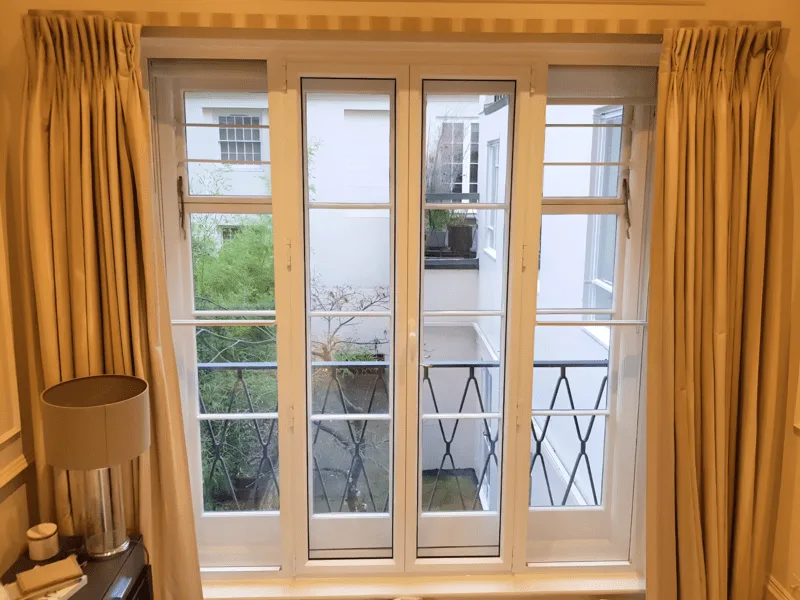
- 1Secondary glazing preserves the heritage of SW15 Victorian and Edwardian properties while significantly reducing urban noise.
- 2Bespoke acoustic solutions combat noise levels of 75-82dB caused by the A3 corridor and Putney High Street.
- 3Secondary glazing allows riverside residents to enjoy Thames views without sacrificing peace or architectural integrity.
- 4Professional soundproofing protects the value of Roehampton village homes while filtering out disruptive traffic sounds.
Nestled along the Thames in southwest London, Putney and Roehampton represent the perfect blend of village charm and metropolitan convenience. This coveted SW15 postcode attracts rowing families, affluent professionals, and those seeking that quintessential Thames-side lifestyle that money can't buy elsewhere. Yet beneath the surface of morning crews on the river and weekend strolls through Richmond Park lies a persistent challenge that affects nearly every resident: noise.
From the thunderous A3 corridor that slices through the area to the bustling Putney High Street and the constant hum of Upper Richmond Road, SW15 homeowners face a daily battle against urban noise. For families investing £800,000 to £2.5 million in Victorian and Edwardian properties that define this area's character, protecting both heritage value and quality of life has become essential.
The answer isn't replacing those beautiful original windows that give period homes their soul. Instead, sophisticated secondary glazing solutions are transforming how Putney and Roehampton residents experience their homes, delivering peace without compromising the architectural integrity that makes these properties so special.
The Rowing Heritage That Defines Putney Life
The rhythmic splash of oars cutting through Thames water at dawn defines Putney's identity more than any other sound. Home to legendary rowing clubs including London Rowing Club and Putney Town Rowing Club, this stretch of river has hosted the Oxford-Cambridge Boat Race since 1845. The finish line sits right here in Mortlake, making Putney the spiritual home of British rowing.
For the rowing families who call SW15 home, this heritage runs deeper than weekend sport. Children grow up with crew training before school, family weekends revolve around regatta calendars, and homes often display generations of rowing photographs. The Thames isn't just a view – it's a lifestyle that shapes every aspect of daily routine.
Yet this proximity to rowing culture comes with acoustic challenges. Putney Bridge carries constant traffic flow, while the nearby railway lines and A3 create a complex soundscape that can overwhelm even the most dedicated river enthusiasts. Many rowing families find themselves closing windows during precious summer evenings, sacrificing the Thames breeze they moved here to enjoy.
Secondary glazing specialists understand this unique dynamic. They've worked with numerous riverside properties where maintaining the connection to Thames life while achieving acoustic comfort requires delicate balance. The solution isn't isolation – it's selective noise control that filters urban intrusion while preserving the sounds of river life that residents treasure.
Understanding Roehampton's Village Charm
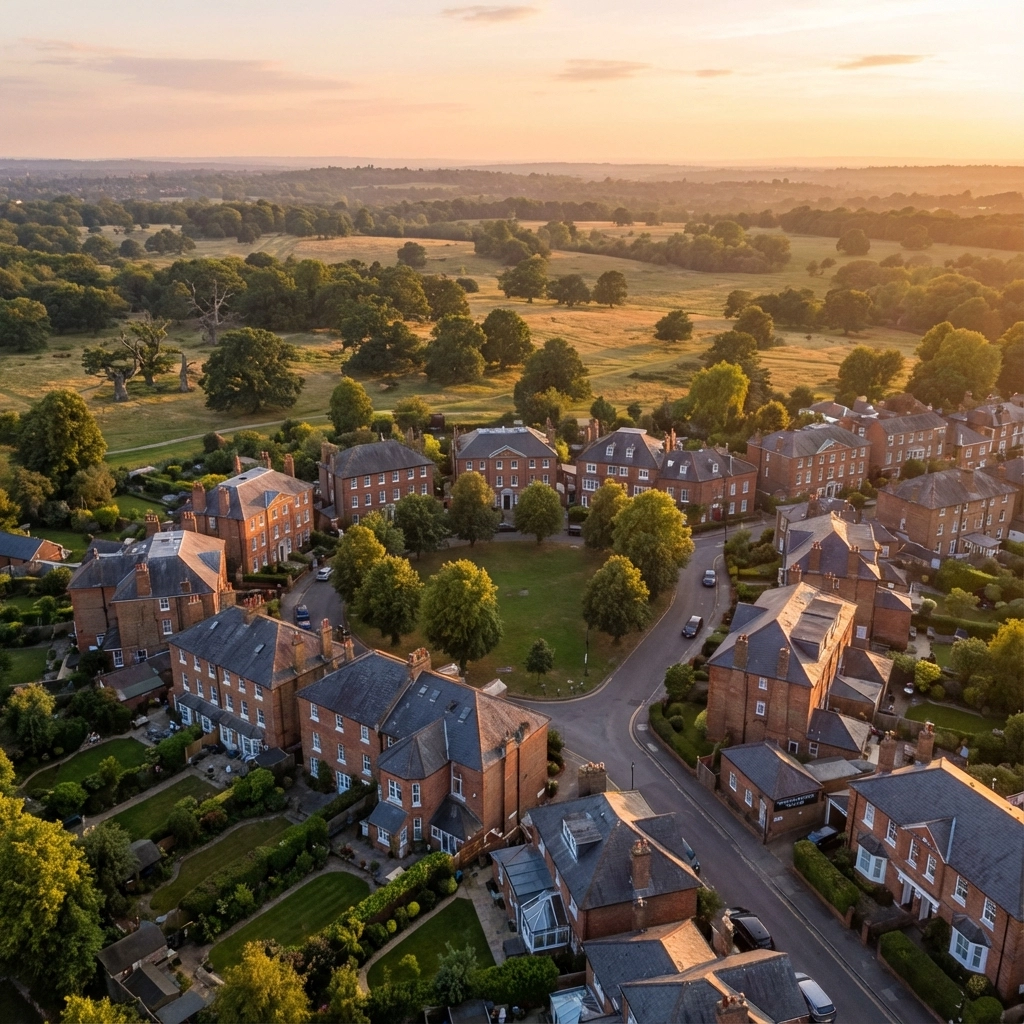
While Putney claims the rowing crown, Roehampton offers something equally precious: genuine village atmosphere within Zone 2. The historic Roehampton Village, with its cluster of Georgian and Victorian houses around the village green, feels worlds away from central London despite being just 20 minutes from Waterloo.
Richmond Park forms Roehampton's eastern boundary, offering 2,500 acres of parkland where residents regularly encounter deer during morning runs. The village's sporting heritage extends beyond rowing to include the All England Lawn Tennis and Croquet Club at nearby Wimbledon, plus numerous private tennis and golf clubs that serve the area's affluent community.
Yet Roehampton faces its own acoustic challenges. The A3 Portsmouth Road runs directly through the area, carrying heavy traffic to and from central London. Noise readings regularly reach 75-82dB along this corridor – comparable to standing next to busy city traffic. For families in properties worth £1 million and above, this traffic noise can significantly impact daily life and property values.
Professional secondary glazing has documented how effective solutions transform these village properties. Unlike replacement windows that might compromise period character, secondary glazing preserves original features while delivering modern acoustic performance that makes the difference between hearing traffic and enjoying peaceful home life.
The Complex Noise Landscape of SW15
Understanding noise patterns in Putney and Roehampton requires mapping multiple sources that create SW15's unique acoustic environment. The A3 dominates as the primary concern, carrying over 100,000 vehicles daily along the Roehampton corridor. This isn't just daytime traffic – night-time freight and early morning commuter flows mean noise levels rarely drop below 60dB even during quiet hours.
Upper Richmond Road presents another significant challenge, particularly for properties between Putney and Roehampton villages. This historic route carries steady traffic flow throughout the day, with particular intensity during school run periods that affect families across the area. The constant stream of buses, delivery vehicles, and commuter traffic creates persistent background noise that can penetrate even well-built Victorian and Edwardian homes.
Putney High Street and the approach to Putney Bridge add another layer of complexity. Properties near the bridge experience not just road traffic but also the rumble of trains crossing the railway bridge, creating low-frequency vibrations that travel through building structures. The busy shopping area generates pedestrian noise, delivery traffic, and the constant activity of one of southwest London's major transport hubs.
| Noise Source | Typical Decibel Level | Peak Hours | Affected Areas |
|---|---|---|---|
| A3 Portsmouth Road | 75-82dB | 7-9am, 5-7pm | Roehampton Village, West Putney |
| Upper Richmond Road | 68-75dB | 8-9am, 3-4pm (school run) | Central Putney, East Roehampton |
| Putney Bridge/Railway | 70-78dB | Rush hours + train times | Riverside properties |
| Putney High Street | 65-72dB | 10am-6pm | Town centre properties |
Studies show that properties facing these major routes can experience noise reductions of 80% or more with properly specified secondary glazing. The key lies in matching glass thickness and air gap dimensions to specific noise challenges.
Conservation Area Considerations
Much of central Putney falls within the Putney Conservation Area, designated by Wandsworth Council to protect the area's historic character. This includes many riverside properties, the historic town centre, and key architectural landmarks that define Putney's appeal. Similarly, Roehampton Village Conservation Area protects the Georgian and Victorian core around the village green.
For homeowners in these conservation areas, window alterations face strict planning restrictions. Original windows contribute significantly to period character, and wholesale replacement often requires planning permission that may be refused. This creates a complex challenge: how to achieve modern comfort and energy efficiency while preserving the architectural features that justify premium property values.
Secondary glazing for conservation areas provides the ideal solution. Secondary glazing typically doesn't require planning permission since it doesn't alter the external appearance of buildings. Original windows remain untouched, maintaining their contribution to heritage character while modern secondary glazing provides thermal and acoustic performance.
Historic England, the government body responsible for heritage protection, explicitly recognizes secondary glazing as an appropriate solution for listed buildings and conservation areas. Their guidance emphasizes that well-designed secondary glazing can enhance building performance without compromising historic significance – exactly what Putney and Roehampton homeowners need.
Case Study 1: Victorian Riverside Villa Near Putney Rowing Clubs
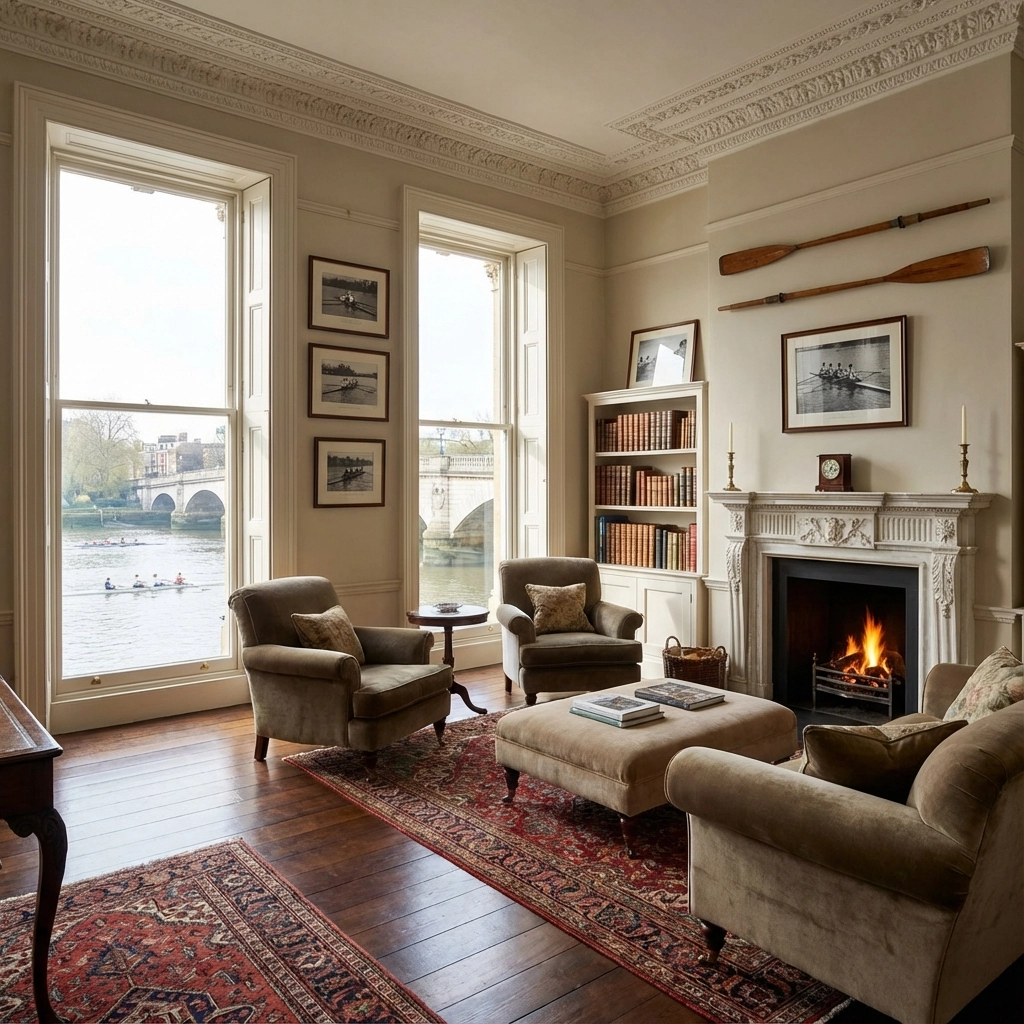
The Chapman family's Victorian villa sits just minutes from London Rowing Club, with direct Thames views that justified their £1.8 million investment. Built in 1887, the five-bedroom property features original sash windows throughout, ornate cornicing, and the period details that make Victorian architecture so desirable.
However, their dream location came with unexpected challenges. Putney Bridge traffic created constant background noise, while the nearby railway bridge added periodic rumbling that made concentration difficult during working from home. Their teenage daughter, a promising rower training six mornings a week, struggled with sleep disruption that affected her performance.
The family initially considered replacement windows but quickly discovered this would require conservation area consent and potentially compromise the property's character. Research led them to specialist secondary glazing providers, where experts proposed a tailored solution addressing their specific needs.
Challenges Addressed:
- Putney Bridge traffic noise reaching 68dB in bedrooms
- Railway bridge rumbling creating low-frequency disturbance
- Heat loss through 12 original sash windows
- Teenage rower's sleep quality affecting training performance
Secondary Glazing Solution:
- Acoustic secondary glazing with 6.8mm acoustic laminated glass
- 150mm air gap targeting low-frequency traffic noise
- Slimline frames maintaining original sash window proportions
- Discrete hinged access for summer ventilation
Results Achieved:
- Noise reduction from 68dB to 42dB in master bedroom
- 40% reduction in heating costs during first winter
- Improved sleep quality for teenage daughter
- Thames views remain unimpeded
The installation took just two days, with minimal disruption to family routine. Original window functions remain unchanged, while the secondary glazing provides additional security and improved thermal performance. Property value has been enhanced rather than compromised, creating the best of both worlds: period character with modern performance.
Case Study 2: Edwardian Family Home in Roehampton Village
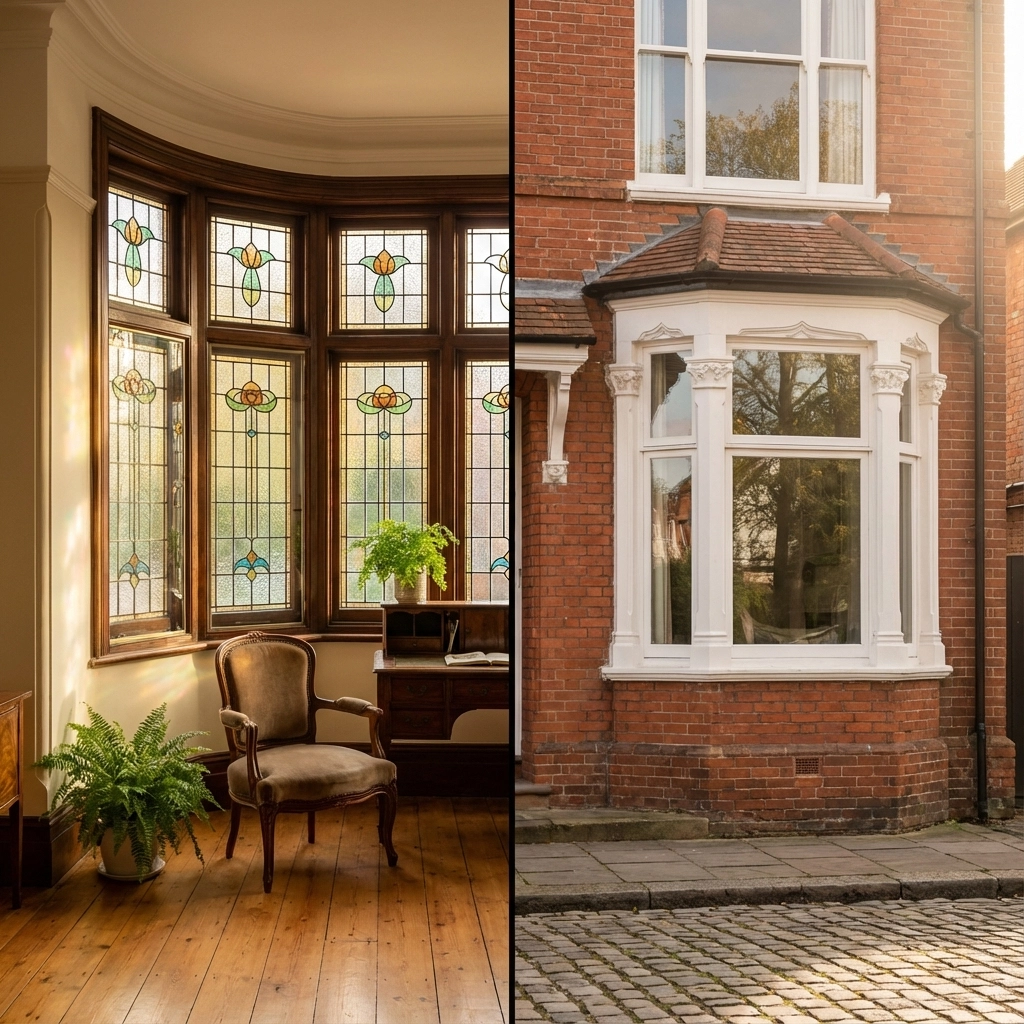
The Morrison family chose Roehampton Village for its unique combination of suburban tranquility and urban accessibility. Their 1906 Edwardian semi-detached house, purchased for £1.2 million, offered four bedrooms, a large garden, and easy access to both Richmond Park and central London. The original features – including beautiful bay windows and decorative glass panels – were key factors in their purchase decision.
However, their dream of village life was disrupted by the A3's relentless traffic noise. Located just 200 meters from the main road, their property experienced constant exposure to vehicles accelerating from traffic lights. The north-facing rooms, including the main bedroom and home office, bore the brunt of this noise pollution.
Mrs. Morrison, a freelance consultant conducting regular video calls, found the traffic noise professionally embarrassing. Their two young children struggled with concentration during homework time, while family mealtimes were frequently interrupted by particularly loud vehicles. The original single-glazed windows, beautiful as they were, provided minimal acoustic protection.
Property Characteristics:
- 1906 Edwardian semi-detached, £1.2 million value
- Original bay windows with decorative glass panels
- 200 meters from A3 Portsmouth Road
- Home office requiring professional acoustic environment
Secondary Glazing Implementation:
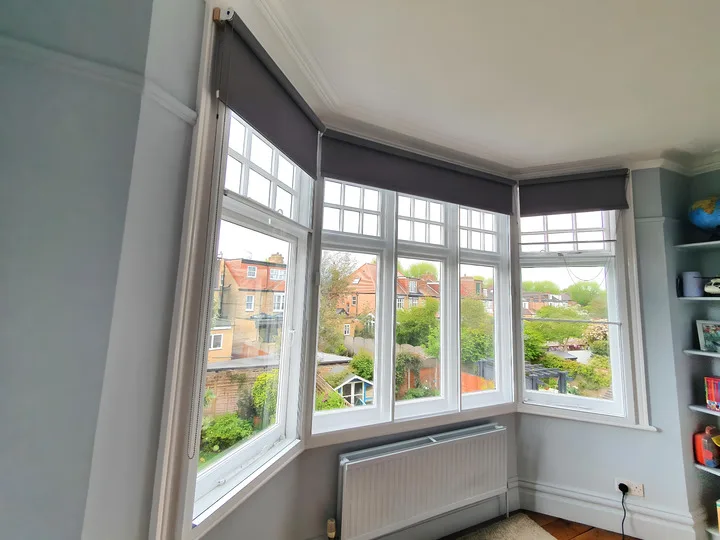
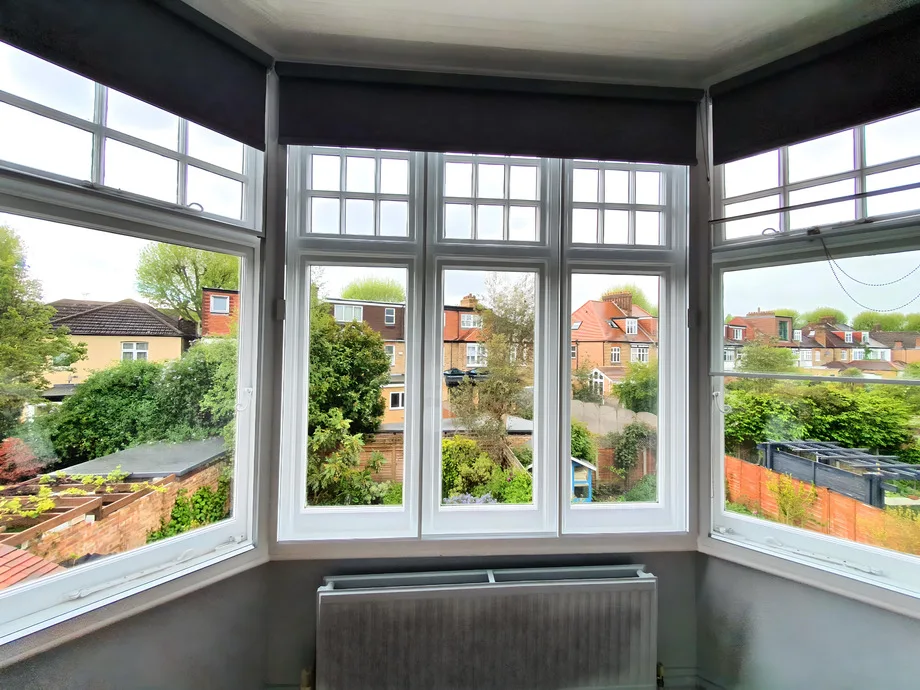
- Custom-fitted acoustic secondary glazing for bay windows
- Precisely measured units following curved profile
- Decorative glass panels protected behind clear secondary glazing
- High-specification acoustic glass for traffic noise frequencies
Family Benefits:
- Home office became genuinely professional space
- Children's bedrooms achieved peace for sleep and study
- Edwardian features remain fully visible and appreciated
- Estimated £50,000+ added to property value
Installation required just three days, scheduled during school holidays to minimize family disruption. The transformation was immediate and dramatic. Family life could finally unfold without constant traffic intrusion.
Case Study 3: Period Property Near Putney Common
The Williams family's investment in a £2.1 million Victorian house near Putney Common represented their commitment to SW15's unique lifestyle. The property, built in 1895, offered six bedrooms, original period features throughout, and crucially, easy access to both Putney's rowing community and Richmond Park's open spaces.
Their location between Putney Common and the Upper Richmond Road provided the perfect base for active family life. Mr. Williams, a keen cyclist, valued the direct access to Richmond Park's cycling routes, while Mrs. Williams appreciated the excellent state schools and sporting facilities. Their three children were involved in various sports clubs, making the area's sporting heritage a perfect fit.
However, the property's position exposed it to multiple noise sources. Upper Richmond Road carried constant traffic just 150 meters away, while Putney Common's sports activities added weekend crowds and evening training sessions. The combination created a complex acoustic environment that varied throughout the week but rarely provided complete tranquility.
Unique Challenges:
- Multiple noise sources requiring different acoustic solutions
- Master bedroom facing Upper Richmond Road traffic
- Home office for financial services requiring client call privacy
- Complex acoustic environment varying throughout week
Specialized Solution:
- Comprehensive secondary glazing focusing on priority rooms
- Advanced acoustic glass with varying thicknesses for different frequencies
- Custom frames maintaining Victorian sash window proportions
- Special attention to master bedroom and home office
Lifestyle Improvements:
- Master bedroom transformed into true sanctuary
- Home office achieved professional standards for client calls
- Family retained choice over acoustic environment
- Connection to community activities maintained when desired
The installation added estimated value of £50,000 to the property while delivering ongoing quality of life benefits. Most importantly, it allowed the family to fully enjoy their investment in SW15's unique lifestyle without compromising on comfort or functionality.
Technical Solutions for SW15 Heritage Properties
Understanding the specific requirements of Putney and Roehampton properties requires expertise in both heritage conservation and acoustic performance. The area's Victorian and Edwardian houses feature construction techniques and materials that create particular challenges for noise control. Original windows, while characterful, typically provide minimal acoustic protection due to single glazing, poor seals, and construction gaps that develop over time.
| Property Era | Typical Window Type | Common Issues | Recommended Solution |
|---|---|---|---|
| Georgian (pre-1837) | Six-over-six sash | Delicate glazing bars, listed status | Ultra-slim profiles, listed consent |
| Victorian (1837-1901) | Two-over-two sash, bay windows | Complex configurations, draughts | Heritage-matched frames, acoustic glass |
| Edwardian (1901-1910) | Large casements, decorative glass | Heat loss, single glazing | Thermal + acoustic combination |
| Inter-war (1920-1940) | Metal Crittall frames | Condensation, poor sealing | Specialist metal-compatible systems |
Acoustic performance in SW15 properties typically requires addressing traffic noise frequencies between 500Hz and 2000Hz, where car engines, brakes, and acceleration create most disturbance. However, areas near the A3 also experience lower frequency noise from heavy vehicles that requires different glazing specifications. The key lies in matching glass thickness and air gap dimensions to specific noise challenges.
For riverside properties near Putney Bridge, solutions must also consider railway vibrations that travel through building structures. Low-frequency acoustic glass helps address rumbling that standard secondary glazing might miss, while proper installation techniques prevent vibration transmission through window frames.
The Sporting Community Connection
SW15's sporting heritage extends far beyond rowing, encompassing tennis clubs, rugby grounds, cycling groups, and fitness communities that make active lifestyle central to area appeal. This sporting culture attracts families who prioritize health, competition, and community involvement – values that influence housing choices and lifestyle expectations.
For rowing families, homes often serve as preparation spaces for early morning training sessions. Peace and quiet become essential for adequate sleep and recovery, particularly during competitive seasons when training intensity peaks. Children following rowing pathways need environments that support both academic achievement and athletic development.
Tennis families similarly require homes that complement their sporting commitments. Wimbledon's proximity means many residents are deeply involved in tennis culture, whether as players, coaches, or supporters. Quality sleep and concentration become crucial during tournament seasons, while homes often host tennis-related social activities that benefit from acoustic flexibility.
The area's cycling community takes full advantage of Richmond Park's traffic-free roads and the Thames Path's scenic routes. Cyclists often prefer early morning training sessions that require careful attention to sleep quality and household noise management. Homes need to support active lifestyles without creating conflicts between sporting commitments and family harmony.
This sporting culture also influences property values and buyer expectations. Homes that successfully balance period character with modern performance become particularly desirable to families seeking SW15's unique lifestyle. Secondary glazing that enhances rather than compromises original features often adds more value than the installation cost, particularly in properties above £1 million where heritage and performance both matter significantly.
Richmond Park and Family Living Excellence
Richmond Park's 2,500 acres provide SW15 residents with an incomparable natural resource that influences everything from daily exercise routines to weekend family activities. The park's proximity makes outdoor lifestyle central to area appeal, while its protection as a Royal Park ensures this amenity remains permanently available.
For families investing in SW15 properties, Richmond Park represents one of London's most significant lifestyle amenities. Children grow up with deer sightings as normal experiences, while parents enjoy cycling, running, and walking opportunities that rival countryside living. The park's sporting facilities, including golf courses and polo grounds, add to the area's athletic culture.
However, this proximity to green space makes indoor acoustic comfort even more valuable. Families spending active days in Richmond Park expect home environments that support rest and recovery. Children involved in various sports need quiet spaces for homework and study, while parents often work from home in careers that require professional acoustic environments.
The contrast between Richmond Park's tranquility and SW15's urban noise sources creates particular appreciation for effective acoustic solutions. Residents experience the difference daily – moving from peaceful park environments to traffic-affected homes highlights how noise pollution impacts quality of life. Effective secondary glazing bridges this gap, allowing homes to match the peace found in nearby green spaces.
Investment Value and Long-term Benefits
Secondary glazing in SW15 properties typically provides multiple return categories that justify investment costs beyond simple acoustic improvement. Property value enhancement often exceeds installation costs, particularly in heritage properties where solutions preserve character while improving performance. Energy efficiency improvements reduce ongoing heating costs while environmental benefits align with increasing buyer priorities.
| Property Value Range | Typical Investment | Annual Energy Savings | Estimated Value Added |
|---|---|---|---|
| £800k - £1.2M | £8,000 - £15,000 | £300 - £500 | £25,000 - £40,000 |
| £1.2M - £1.8M | £12,000 - £22,000 | £400 - £700 | £40,000 - £60,000 |
| £1.8M - £2.5M | £18,000 - £30,000 | £500 - £900 | £50,000 - £80,000 |
Property values in Putney and Roehampton reflect the area's desirability, with average prices significantly above London means. Homes that successfully combine period character with modern performance command premium prices from buyers seeking SW15's unique lifestyle without compromising on comfort. Secondary glazing often provides the perfect solution to this buyer requirement.
Energy efficiency improvements from secondary glazing can reduce heating costs by 20-30% in period properties with original windows. These ongoing savings compound annually while contributing to environmental goals that increasingly influence property buyer decisions. Carbon footprint reduction becomes particularly important for families conscious of environmental impact.
Future-Proofing SW15 Properties
Looking ahead, Putney and Roehampton face continuing development pressure that may increase noise challenges while conservation requirements become more stringent. Climate change considerations increasingly influence planning decisions, while buyer expectations continue evolving toward properties that combine heritage character with modern performance standards.
Transport infrastructure changes may affect SW15's acoustic environment over coming decades. Potential Heathrow expansion, London transport network changes, and traffic management modifications could all influence noise patterns that affect property values and resident satisfaction. Secondary glazing provides flexible solutions that can adapt to changing acoustic challenges.
Energy efficiency requirements are becoming increasingly important in property valuations and mortgage availability. Properties that can demonstrate effective thermal performance while maintaining heritage character will likely command premium prices as environmental regulations tighten. Secondary glazing often provides cost-effective compliance with emerging efficiency standards.
The rowing heritage and sporting culture that define SW15's appeal show no signs of diminishing. If anything, health and fitness consciousness continues growing among affluent families, making the area's sporting amenities increasingly valuable. Homes that support these active lifestyles through effective acoustic design will likely maintain strong appeal to target buyer demographics.
The Thames village lifestyle that attracts families to Putney and Roehampton requires homes that support both connection to community culture and retreat into peaceful private spaces. Secondary glazing enables this balance, providing acoustic flexibility that enhances rather than restricts lifestyle choices. For discerning families investing in SW15's unique character, professional secondary glazing represents an essential component of creating homes that truly work for modern heritage living.
Whether you're a rowing family seeking peaceful recovery between training sessions, professionals requiring quiet home offices, or parents prioritizing children's sleep and study environments, contact us today for your free heritage assessment and discover how secondary glazing can transform your SW15 property while preserving the period character that makes it special.
Sources & References
Government & Regulatory
- Historic England. "Traditional Windows: Their Care, Repair and Upgrading". Historic England Official Guidance, 2017.Link
This document provides official guidance on improving the thermal and acoustic performance of windows in historic buildings without compromising their heritage value.
- Wandsworth Borough Council. "Putney Embankment Conservation Area Appraisal and Management Strategy". Wandsworth.gov.uk, 2011.Link
Official council guidance regarding the preservation of historic character in SW15 conservation areas, specifically relevant to window alterations.
Scientific & Technical
- World Health Organization (WHO). "Environmental Noise Guidelines for the European Region". WHO Regional Office for Europe, 2018.Link
A comprehensive study outlining the health impacts of urban environmental noise, justifying the need for effective noise mitigation in residential areas.
- G. Lingard, J. Stewart. "Acoustic Performance of Secondary Glazing in Heritage Buildings". Journal of Building Survey, Appraisal & Valuation, 2019.
This research quantifies the decibel reduction achieved by secondary glazing compared to single and double glazing in period properties.
Industry Standards
- British Standards Institution (BSI). "BS 8233:2014 Guidance on sound insulation and noise reduction for buildings". BSI Standards Publication, 2014.
The British Standard that provides recommendations for the control of noise in and around buildings, including target decibel levels for living spaces.
- Glass and Glazing Federation (GGF). "The Guide to Secondary Glazing for Energy Efficiency and Sound Insulation". GGF Technical Manual, 2021.Link
An industry-standard guide highlighting how secondary glazing can significantly improve U-values and sound insulation in older homes.
Citations generated with AI assistance. Please verify sources independently.
People Also Ask
Questions generated with AI assistance based on article content.
Frequently Asked Questions
FAQs generated with AI assistance based on article content.
Related Articles
Plan Your Putney & Roehampton Project
Cost Calculators & Planning Tools
Before booking a survey, model the noise reduction, price up your project, and check heritage compliance using our specialist tools — built specifically for London properties like those in Wandsworth.
Secondary Glazing Cost
Per-window pricing for Putney & Roehampton from £580. Whole-house estimates included.
Interactive Cost Estimator
Get an instant tailored quote based on window count, glass spec and postcode.
Heritage Sash Calculator
Listed-building cost & compliance estimator — ideal for Wandsworth conservation areas.
Secondary vs Double Glazing
Side-by-side STC ratings, cost and heritage suitability comparison.
Free Acoustic Calculator
Model the exact decibel reduction for your specific noise problem.
Secondary Glazing London
The complete London-wide hub: every glass spec, borough and listed-building rule.
Next Step
Book a Free Noise Survey
Get a tailored acoustic report and fixed quote for your property. No obligation, surveys across London within 5 working days.