Secondary Glazing in Highgate & Crouch End: The Complete N6/N8 Heritage Guide
Key Takeaways
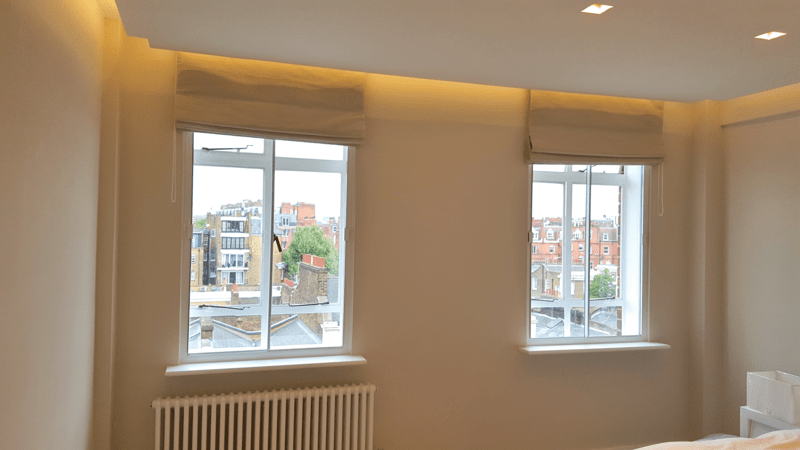
- 1Secondary glazing preserves Victorian and Edwardian character while meeting strict N6 and N8 conservation area requirements.
- 2Internal installation provides a heritage-compliant solution for listed buildings in Highgate and Crouch End.
- 3Secondary glazing effectively mitigates high traffic noise levels from major routes like Archway Road and Holloway Road.
- 4The technology addresses modern energy efficiency needs without altering the original external appearance of period windows.
- 5Strategic acoustic insulation helps dampen ground-borne vibration and noise from the Northern Line tunnels.
Secondary Glazing in Highgate & Crouch End: The Complete N6/N8 Heritage Guide
Perched on the northern heights of London, Highgate and Crouch End combine village charm with metropolitan convenience, creating neighbourhoods that consistently rank among the capital's most desirable family addresses. For homeowners in these characterful N6 and N8 postcodes, secondary glazing provides the ideal solution for enhancing Victorian and Edwardian properties while preserving their distinctive period character.
Village Life at London's Northern Edge
Highgate's position at the summit of one of London's highest hills—with views extending across the capital to the Surrey Downs—has shaped its development from a medieval staging post to one of the capital's most prestigious residential villages. The area's architectural heritage spans Georgian elegance around The Grove, Victorian grandeur on Hampstead Lane, and distinguished Edwardian family houses throughout the conservation area.
The village's literary and artistic associations—from Samuel Taylor Coleridge to contemporary figures—have established a cultural character that attracts creative professionals, academics, and families seeking an environment that combines intellectual stimulation with residential tranquility. Property values reflect this desirability, with houses regularly exceeding £3 million and exceptional properties commanding significantly more.
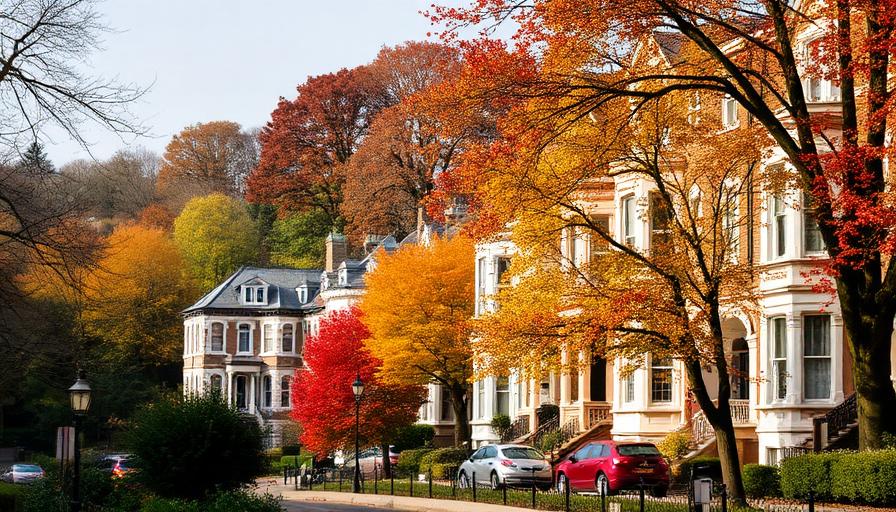
Crouch End, just to the east, offers a different but equally appealing character. Developed primarily between 1870 and 1914, the area's Victorian and Edwardian terraces create cohesive streetscapes of considerable architectural merit. The Broadway's independent shops, restaurants, and the legendary Hornsey Town Hall create a thriving village centre that has made Crouch End synonymous with creative, family-oriented urban living.
Conservation Framework: Protecting Period Character
Both Highgate and Crouch End benefit from comprehensive conservation area protection that safeguards their architectural heritage while presenting considerations for property improvement works.
Haringey's Conservation Policies: Crouch End falls within Haringey Council's jurisdiction, with the Crouch End Conservation Area covering the historic core and extending into surrounding residential streets. The Council's conservation policies emphasise preservation of Victorian and Edwardian streetscape character, with particular attention to original windows, doors, and architectural details.
Camden's Highgate Protection: Highgate Village falls within Camden, with conservation policies that reflect the area's exceptional architectural significance. The concentration of listed buildings around The Grove and Highgate Cemetery creates expectations for the highest standards of heritage preservation.
For both areas, secondary glazing's internal installation provides the solution that respects conservation requirements while delivering contemporary performance standards. The technology addresses the gap between heritage preservation obligations and modern expectations for comfort and energy efficiency.
Acoustic Challenges in North London's Heights
The elevated position that provides Highgate and Crouch End's spectacular views also creates distinctive acoustic challenges that secondary glazing is well-suited to address.
Archway Road and Holloway Road: Major arterial routes bordering the area generate significant traffic noise, with peak levels reaching 78-85dB. Properties on roads connecting to these arteries experience noise transfer that can significantly impact residential amenity.
Hornsey Lane and Crouch End Hill: Local traffic routes through the residential areas create noise levels of 68-75dB during peak hours. The hilly terrain means vehicles often accelerate harder, creating additional noise impact.
Northern Line Tube Noise: Highgate station and the tunnels serving it create ground-borne noise and vibration for properties along the Northern Line route. The geological conditions—London Clay over sand and gravel—can amplify vibration transmission to nearby buildings.
Aircraft Patterns: Both areas experience aircraft noise from Heathrow approach paths and City Airport departures. The elevated terrain provides less atmospheric absorption than lower-lying areas, increasing noise exposure.
School Run Activity: The concentration of excellent schools creates intense peak-hour activity, with traffic, pedestrian noise, and general bustle affecting properties near school gates.
Secondary Glazing: Performance Without Compromise
For Highgate and Crouch End's period properties, secondary glazing delivers the performance improvements homeowners require without compromising the architectural character that makes these areas so valuable.
The technology works by installing additional glazed panels on the room side of existing windows, creating an insulating air cavity that dramatically improves both acoustic and thermal performance. Unlike replacement windows—which would require planning permission in conservation areas and potentially listed building consent—secondary glazing preserves original windows in situ while addressing their performance limitations.
The air gap between primary and secondary glazing provides acoustic decoupling that prevents sound transmission through structural connection. This makes secondary glazing more effective for noise reduction than sealed double-glazing units, where the two panes can transmit vibration between them.
For Victorian sash windows—the predominant window type in both areas—secondary glazing can achieve noise reduction of 40-48dB when properly specified. This level of reduction transforms living conditions, converting the equivalent of heavy traffic noise to peaceful library conditions.
Case Study 1: Grade II Listed Property on The Grove
One of Highgate's most prestigious addresses, a Grade II listed Georgian house on The Grove required acoustic solutions that would satisfy both Camden's exacting conservation standards and the owners' requirements for contemporary comfort.
The property retained original six-over-six sash windows with handmade crown glass and delicate glazing bars representing Georgian craftsmanship of the highest order. The owners—a professional couple working from home—found traffic noise from the surrounding roads incompatible with productive work and peaceful domestic life.
The secondary glazing solution employed bespoke timber frames hand-finished to match the original window furniture. Extensive consultation with Camden's conservation officers ensured the installation respected the building's exceptional significance while delivering the required acoustic performance.
The 180mm air gap—possible due to the deep Georgian window reveals—accommodated 8.8mm acoustic laminated glass, achieving measured noise reduction of 46dB. The owners reported transformation of their working environment, with video calls and concentrated work now possible without acoustic disruption.
Case Study 2: Victorian Family House in Crouch End
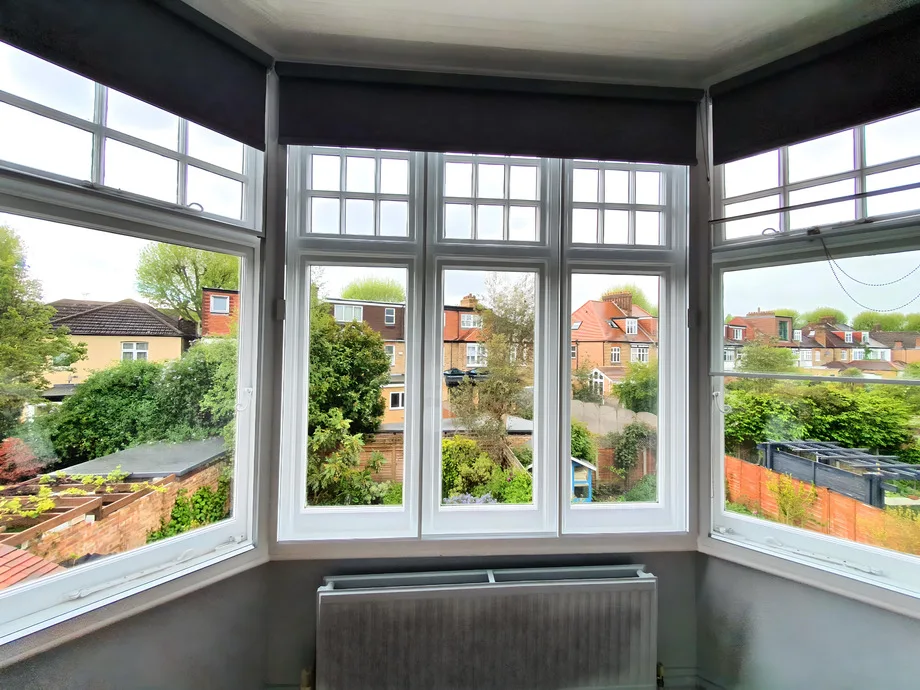
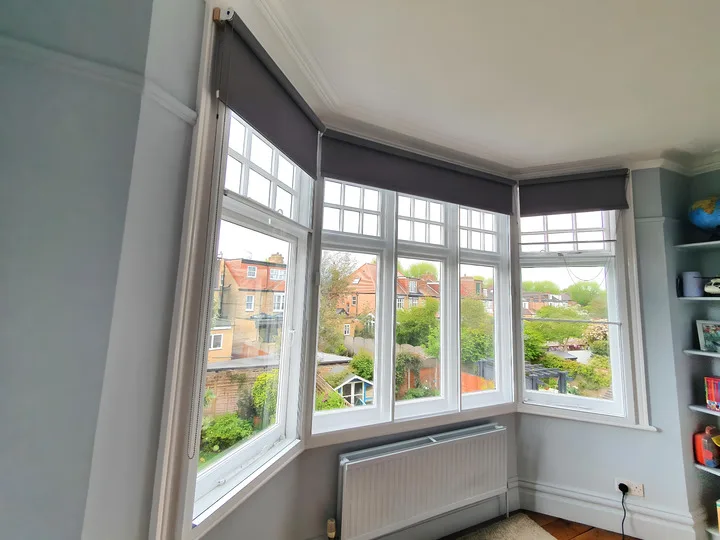
A substantial Victorian terraced house on one of Crouch End's premier residential streets presented the classic challenge of balancing period character with family functionality. The property's large bay windows—beautiful architectural features—were also significant sources of heat loss and noise ingress.
The family, with young children, found traffic noise from the adjacent road affected sleep quality and general domestic tranquility. The bay windows' multiple panes and complex geometry created acoustic weak points that conventional solutions struggled to address.
The secondary glazing installation employed curved-on-plan units for the bay windows, precisely manufactured to follow the existing window geometry. The seamless integration preserved the bays' architectural impact while creating the sealed air cavity necessary for acoustic performance.
Post-installation acoustic testing confirmed noise reduction of 42dB, transforming bedrooms at the front of the house into peaceful sleeping environments. The thermal improvement eliminated drafts that had made the bay window seats uncomfortable in winter, restoring these characterful features to year-round use.
Case Study 3: Edwardian Semi-Detached in Muswell Hill
An elegant Edwardian semi-detached house near Muswell Hill Broadway required comprehensive glazing improvements to address both noise from the busy shopping area and heat loss from original single-glazed windows.
The property featured characteristic Edwardian windows with decorative upper lights and original brass hardware. The owners valued these period details but found the acoustic and thermal performance increasingly problematic as remote working became their new normal.
The secondary glazing solution preserved all decorative elements while providing substantial performance improvement. For windows with decorative upper lights, the secondary glazing was configured to maintain clear views of the original glazing patterns while providing full acoustic and thermal benefits.
The installation achieved 39dB noise reduction and estimated heating cost savings of 30% through elimination of drafts and improved insulation. The property's EPC rating improved from E to C, reflecting the significant energy efficiency gains secondary glazing provides.
Technical Specifications for N6/N8 Properties
The variety of window types in Highgate and Crouch End—from Georgian sashes to Edwardian casements—requires flexible specification approaches that address each property's specific challenges.
Acoustic Glass Options:
- 6.4mm laminated glass: Suitable for moderate traffic noise (65-72dB external levels)
- 6.8mm acoustic laminated glass: Optimal for significant traffic noise (72-80dB external levels)
- 8.8mm acoustic laminated glass: Maximum performance for severe noise environments (80dB+ external levels)
Air Gap Considerations: Victorian and Edwardian window reveals typically accommodate 100-150mm air gaps, with deeper Georgian reveals allowing 150-200mm. Wider gaps improve low-frequency performance, particularly important for traffic noise containing significant bass content.
Frame Materials:
- Powder-coated aluminium: Slim profiles, low maintenance, extensive colour matching
- Hardwood timber: Traditional aesthetics, suitable for the most sensitive heritage applications
- Composite options: Balance of performance and heritage appearance
Opening Configurations: Hinged panels provide full access to original windows for cleaning and maintenance. Horizontal sliding systems suit sash windows where matching the original operating style is preferred. Lift-out panels offer complete removability for occasional access requirements.
Navigating Conservation Requirements
Successfully implementing secondary glazing in Highgate and Crouch End requires understanding the expectations of Camden and Haringey conservation officers and working within established heritage frameworks.
General Principles: Both councils recognise secondary glazing as a heritage-appropriate solution for improving period window performance. As an internal installation with no external visibility, secondary glazing typically falls outside planning control for unlisted properties.
Listed Buildings: For listed properties, the position requires more careful consideration. While secondary glazing is generally acceptable, listed building consent may be required depending on the building's significance and the proposed installation details. Early consultation with the relevant conservation team is advisable.
Documentation: Maintaining records of the installation—including photographs, specifications, and any approvals obtained—provides useful documentation for future property transactions and demonstrates compliance with heritage requirements.
Property Value and Investment Returns
In Highgate and Crouch End's competitive property market, secondary glazing improvements contribute positively to both saleability and value. Buyers increasingly expect contemporary comfort standards, and properties demonstrating effective noise and thermal management command premiums over those with performance limitations.
The investment case extends beyond market value:
Energy Cost Reduction: Secondary glazing reduces heat loss through windows by up to 65%, delivering meaningful savings on heating costs. For larger properties with extensive glazing, annual savings can reach hundreds of pounds.
Maintenance Avoidance: By protecting original windows from the thermal stress of direct heating system exposure, secondary glazing can extend the service life of historic joinery. The cost of replacing period windows far exceeds secondary glazing investment.
Comfort Enhancement: The improved acoustic and thermal environment directly enhances quality of life. For families with children, home workers, and anyone sensitive to noise, this comfort improvement represents genuine value.
Heritage Preservation: Maintaining original windows while improving performance preserves the architectural authenticity that underpins these properties' market appeal. Replacement windows, even when permitted, can diminish both character and value.
Comprehensive Benefits Beyond Acoustics
While noise reduction typically motivates secondary glazing installation, the comprehensive benefits address multiple aspects of period property performance:
Thermal Performance: Creating an insulating air layer between primary and secondary glazing dramatically improves thermal efficiency. Single-glazed windows with secondary glazing can match or exceed the performance of modern double glazing while preserving historic character.
Draft Elimination: Original sash windows, however well-maintained, typically permit significant air infiltration around meeting rails and pulleys. Secondary glazing seals the room side of the window, eliminating drafts that compromise comfort and waste energy.
Condensation Prevention: The warm inner surface of secondary glazing prevents the condensation that damages window frames and promotes mould growth. This preservation benefit protects both the secondary glazing investment and the original windows behind it.
Security Enhancement: Laminated glass options provide enhanced resistance to forced entry, addressing security concerns without visible external changes. This can be particularly valuable for ground-floor windows in urban settings.
UV Protection: Specialist coatings can reduce UV transmission by up to 99%, protecting interior furnishings, artwork, and period decorative schemes from sun damage. For properties with significant collections or original decoration, this benefit merits serious consideration.
Installation Excellence: Professional Expertise
The successful installation of secondary glazing in N6 and N8's period properties requires professional expertise that combines understanding of historic buildings with contemporary glazing technology.
Survey and Specification: Professional assessment establishes existing conditions, identifies any repairs required before installation, and develops specifications addressing each property's specific acoustic, thermal, and aesthetic requirements.
Manufacturing Precision: Bespoke secondary glazing units are manufactured to precise measurements for each window opening. The quality of manufacturing directly affects both performance and aesthetics.
Installation Quality: Proper fitting ensures the sealed air cavity essential for performance, with attention to frame alignment, weatherstripping, and finishing details that determine long-term satisfaction.
Minimal Disruption: Professional installation in occupied properties requires careful planning for dust control, access arrangements, and work scheduling that minimises impact on family life.
Conclusion: Enhancing Heritage for Future Generations
For homeowners in Highgate and Crouch End, secondary glazing represents the intelligent approach to period property enhancement—delivering contemporary performance while preserving the architectural character that makes these neighbourhoods so desirable.
The technology addresses the genuine challenges of living in historic buildings without requiring the compromises that come with window replacement. Original Georgian sashes, Victorian bays, and Edwardian casements remain in place, their heritage value preserved for future generations, while their performance limitations are overcome through sensitive, reversible intervention.
Whether the priority is creating peaceful home-working environments, ensuring children sleep undisturbed by traffic, or reducing energy consumption in period properties, secondary glazing provides solutions tailored to each family's specific requirements.
The investment in secondary glazing pays returns in comfort, efficiency, and property value—while contributing to the heritage preservation that maintains Highgate and Crouch End's exceptional character. For those fortunate to own property in these distinguished neighbourhoods, secondary glazing ensures their homes meet contemporary expectations while honouring the craftsmanship of previous generations.
Sources & References
Government & Regulatory
- London Borough of Camden. "Highgate Conservation Area Appraisal and Management Strategy". Camden Council Planning Policy, 2007.Link
This document provides the statutory framework for preserving the architectural and historic interest of the Highgate conservation area, specifically regarding window alterations.
- London Borough of Haringey. "Crouch End Conservation Area Character Appraisal". Haringey Council Planning and Building Control, 2021.Link
Outlines the specific design and preservation requirements for Victorian and Edwardian properties within the Crouch End conservation zone.
- Historic England. "Traditional Windows: Their Care, Repair and Upgrading". Historic England Guidance Note, 2017.Link
Provides definitive guidance on how secondary glazing is a preferred method for improving thermal and acoustic performance in heritage buildings without affecting their character.
Scientific & Technical
- Baker, P.. "Thermal Performance of Traditional Windows and Low-cost Energy-saving Measures". Historic Scotland Technical Paper 10, 2010.Link
A comprehensive study detailing how secondary glazing can reduce heat loss through single-glazed timber windows by over 60%.
- World Health Organization (WHO). "Environmental Noise Guidelines for the European Region". WHO Regional Office for Europe, 2018.Link
The authoritative guidelines on acceptable noise levels in residential buildings, supporting the case for secondary glazing in urban environments like North London.
Industry Standards
- British Standards Institution (BSI). "Guidance on sound insulation and noise reduction for buildings". BS 8233:2014, 2014.
The British Standard providing recommendations for the control of noise in and around buildings, highlighting the effectiveness of air gaps in secondary glazing.
Citations generated with AI assistance. Please verify sources independently.
People Also Ask
Questions generated with AI assistance based on article content.
Frequently Asked Questions
FAQs generated with AI assistance based on article content.
Related Articles
Plan Your Highgate & Crouch End Project
Cost Calculators & Planning Tools
Before booking a survey, model the noise reduction, price up your project, and check heritage compliance using our specialist tools — built specifically for London properties like those in Haringey.
Secondary Glazing Cost
Per-window pricing for Highgate & Crouch End from £580. Whole-house estimates included.
Interactive Cost Estimator
Get an instant tailored quote based on window count, glass spec and postcode.
Heritage Sash Calculator
Listed-building cost & compliance estimator — ideal for Haringey conservation areas.
Secondary vs Double Glazing
Side-by-side STC ratings, cost and heritage suitability comparison.
Free Acoustic Calculator
Model the exact decibel reduction for your specific noise problem.
Secondary Glazing London
The complete London-wide hub: every glass spec, borough and listed-building rule.
Next Step
Book a Free Noise Survey
Get a tailored acoustic report and fixed quote for your property. No obligation, surveys across London within 5 working days.