Soundproof Windows: The Complete UK Buyer's Guide

    Your comprehensive resource for understanding, selecting, and installing acoustic windows. From DIY solutions to professional installations, learn everything about reducing noise pollution in your home or office.

    What You'll Learn

    Understanding Soundproof Windows
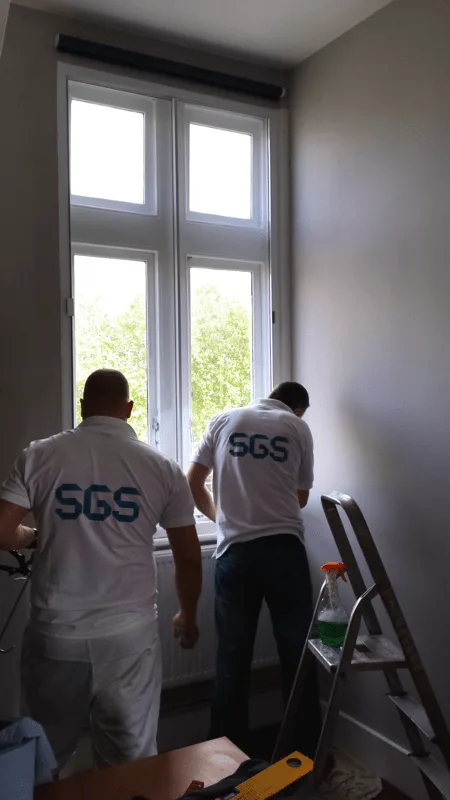
    How acoustic windows work and STC ratings explained

    Types of Solutions

    Secondary glazing, inserts, and replacement options

    Room-by-Room Guide

    Specific solutions for bedrooms, offices, and living spaces

    Cost & Installation

    Budget planning and DIY vs professional installation

    Understanding Soundproof Windows

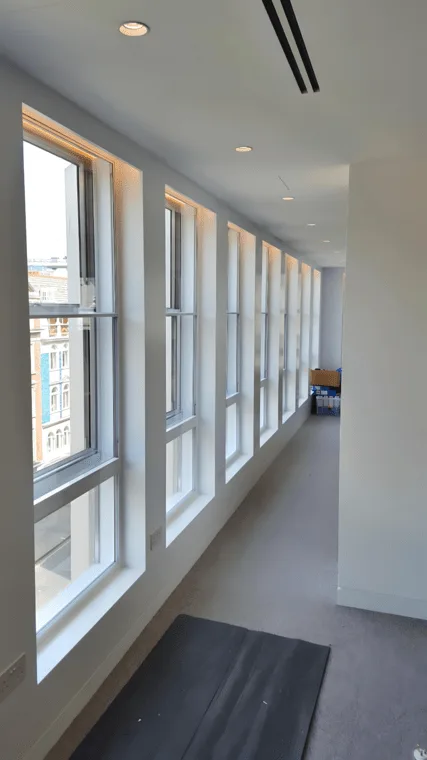
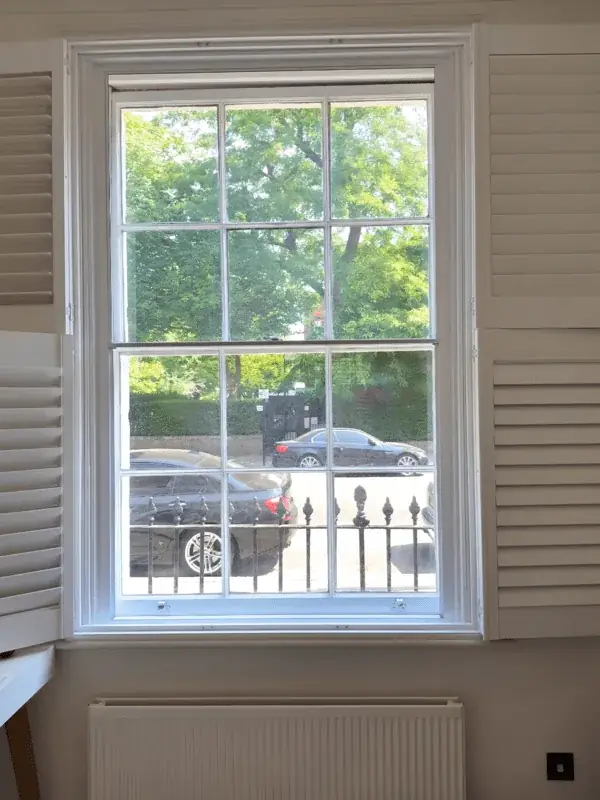
    Modern acoustic windows in residential setting

    Soundproof windows are specially designed to reduce external noise by up to 90%, creating peaceful indoor environments. Unlike standard windows with STC ratings of 25-27, acoustic windows achieve ratings between 38-55+, blocking traffic noise, airplane sounds, and neighborhood disturbances. Whether you need bedroom soundproofing for better sleep or office acoustic solutions for improved productivity, there's a solution for every situation.

    How Soundproof Windows Work

    The science behind noise reduction involves three key principles:

    • Mass: Thicker, heavier glass blocks more sound waves
    • Damping: Laminated glass with PVB interlayers absorbs vibrations
    • Air gaps: Multiple panes with optimized spacing prevent sound transmission

    STC Ratings Explained

    Sound Transmission Class (STC) measures a window's noise reduction capability:

    • STC 38-42: Noticeable noise reduction, suitable for moderate traffic
    • STC 43-48: Significant reduction, ideal for busy urban areas
    • STC 49-55+: Maximum performance for extreme noise environments
    Choosing the Right Solution

    The best soundproof window solution depends on your specific situation, budget, and noise levels. Our specialized guides above cover each option in detail, helping you make an informed decision.

    Budget Considerations

    Costs vary significantly based on solution type, window size, and installation complexity.Window inserts start around £300-500 per window,secondary glazing systems range from £400-1,200, while full replacement acoustic windows cost £800-1500+ per window including professional installation.

    DIY vs Professional Installation

    While some solutions like window inserts can be DIY-friendly, professional installation ensures optimal performance, proper sealing, and warranty coverage. For maximum noise reduction in challenging environments like busy roads and motorways, professional installation is essential. Our network of certified installers provides expert service across the UK.

    Frequently Asked Questions

    What is the most effective type of soundproof window?

    Laminated acoustic glass with high STC ratings (48-55+) provides the most effective noise reduction. For existing windows, secondary glazing offers excellent performance without replacement, while window inserts provide an affordable DIY option.

    How much noise reduction can I expect from soundproof windows?

    Properly installed soundproof windows can reduce noise by 75-95% depending on the solution. STC 38-42 windows reduce noise noticeably, STC 43-48 provides significant reduction for busy areas, and STC 49-55+ offers maximum performance for extreme noise.

    Are soundproof windows worth the investment?

    Yes, soundproof windows provide multiple benefits including noise reduction, improved sleep quality, increased property value, enhanced energy efficiency, and better home security. Most homeowners report significant quality of life improvements.

    Can I install soundproof windows myself?

    Window inserts and some secondary glazing systems are DIY-friendly and can be installed in 30-60 minutes. However, full window replacement and professional secondary glazing systems require expert installation for optimal performance and warranty coverage.

    Do soundproof windows also improve energy efficiency?

    Yes, most soundproof windows significantly improve thermal insulation. Secondary glazing can reduce heat loss by 60%, while laminated acoustic glass provides better U-values than standard glazing, leading to lower energy bills.

    Ready to Reduce Noise?

    Get a free consultation and personalized quote for your soundproof window project

    Get Your Free Quote

    Sources & References

    Government & Regulatory

    1. Ministry of Housing, Communities & Local Government. "Acoustics: GPG 243 Noise - Planning practice guidance". GOV.UK, 2019 Outreach.Link

      This official guidance provides the regulatory framework for internal and external noise insulation levels required for residential developments in the UK.

    2. Historic England. "Traditional Windows: Their Care, Repair and Upgrading (Section 6.2: Noise Insulation)". HistoricEngland.org.uk, 2017.Link

      A comprehensive resource outlining methods for noise reduction and the preservation of historic windows through secondary glazing solutions.

    3. World Health Organization (WHO). "Environmental Noise Guidelines for the European Region". WHO Regional Office for Europe, 2018 Outreach.Link

      An essential public health document detailing the physiological and psychological impacts of environmental noise, justifying the need for soundproofing.

    Scientific & Technical

    1. J. S. Bolton, N.-M. Shiau and M. G. Rose. "The Design of Highly Sound-Insubtantial Double-Panel Partitions". Journal of Sound and Vibration (via ScienceDirect), 1996.Link

      A technical exploration of how different glass thicknesses and cavity depths in secondary glazing systems affect sound transmission loss across frequency bands.

    2. B. Gibbs and J. Machin. "Sound insulation of windows: Glass and frame effects". Applied Acoustics Journal, 1980.Link

      Discusses the performance of laminated glass and PVB interlayers in achieving high Rw and STC ratings compared to standard monolithic glass.

    Industry Standards

    1. British Standards Institution (BSI). "BS EN ISO 717-1:2020: Acoustics. Rating of sound insulation in buildings and of building elements. Airborne sound insulation". BSI Shop, 2020.Link

      The primary British and European standard for measuring and rating the airborne sound insulation of buildings and building elements.

    2. British Standards Institution (BSI). "BS 8233:2014: Guidance on sound insulation and noise reduction for buildings". BSI Shop, 2014 Outreach.Link

      Guidelines that specify acceptable indoor ambient noise levels in various rooms of a dwelling, used to calculate required glazing performance.

    Citations generated with AI assistance. Please verify sources independently.