Secondary Glazing in Richmond & Twickenham: Heritage Solutions for Royal Borough Living
Key Takeaways
- 1Secondary glazing provides high-performance noise and thermal insulation without violating Richmond's strict Georgian conservation protocols.
- 2Specialist secondary glazing is the only viable heritage-approved solution for Grade I and II listed buildings.
- 3Bespoke acoustic glass effectively mitigates crowd and traffic noise near Twickenham Stadium and the A316 corridor.
- 4Professional installations ensure secondary units remain virtually invisible from the street, preserving Richmond’s historic architectural integrity.
- 5Secondary glazing allows Twickenham homeowners to modernise Victorian and Edwardian properties while retaining original bay window aesthetics.
Richmond and Twickenham represent the crown jewels of southwest London living, where Georgian elegance meets royal heritage against the backdrop of the Thames. For affluent families investing in properties worth £800k to £3M in these prestigious TW postcodes, maintaining architectural authenticity while enhancing comfort presents unique challenges that secondary glazing expertly addresses.
The Royal Borough's Heritage Landscape
Richmond-upon-Thames operates under some of London's strictest conservation protocols, with Richmond Hill and Richmond Green featuring Grade I and II listed Georgian terraces that command Thames views fit for royalty. The borough's proximity to Richmond Park: a World Heritage Site stretching across 2,500 acres: means residents enjoy unparalleled access to royal parkland while facing stringent planning restrictions that make window replacements virtually impossible.
Richmond's conservation areas encompass some of Britain's most significant Georgian architecture, where original sash windows from the 18th and 19th centuries remain protected features. These heritage properties require specialist solutions that preserve historical integrity while delivering modern performance standards expected by today's discerning homeowners.
The area's royal connections run deep: from Henry VIII's Sheen Palace to the current royal residence at Kew: creating a living heritage environment where secondary glazing for conservation areas becomes essential for maintaining both historical authenticity and family comfort.
Richmond's Conservation Challenge
Richmond's conservation officers maintain absolute authority over alterations to heritage properties, particularly along the prestigious Richmond Hill corridor where Georgian terraces overlook the Thames bend. Original window frames, often featuring delicate glazing bars and crown glass, cannot be modified or replaced, making secondary glazing the only viable solution for improving thermal and acoustic performance.
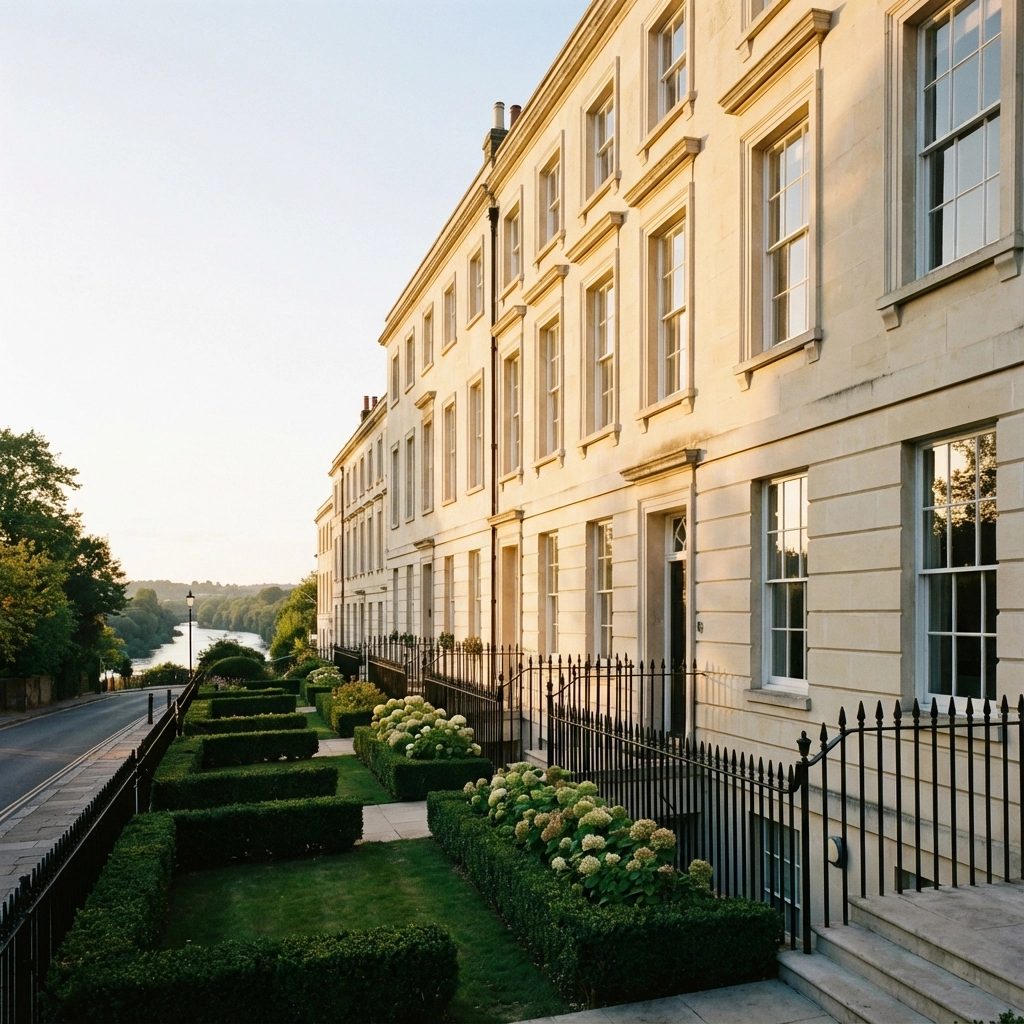
The Richmond Society and local heritage groups actively monitor any changes to period properties, ensuring that solutions like Georgian window secondary glazing meet their exacting standards. Professional installation must be virtually invisible from street view, requiring specialist knowledge of heritage-compliant fixing methods and materials that match original window styles.
For families in Richmond's prime conservation areas, professional secondary glazing assessment becomes crucial for navigating planning requirements while achieving desired improvements. The borough's heritage officers appreciate solutions that demonstrate respect for original craftsmanship while providing measurable benefits to residents.
Twickenham's Rugby Heritage and Modern Challenges
Twickenham's identity centers around rugby culture, with the RFU Stadium hosting international matches that draw crowds of 82,000. Properties near the stadium benefit from sporting prestige but face unique challenges during match days when crowd noise combines with increased traffic on key routes like the A316 and Twickenham Road.
Professional noise reduction solutions become particularly valuable for properties within a mile radius of the stadium, where match day activities can generate significant acoustic disturbance. Secondary glazing provides year-round noise reduction while allowing residents to enjoy the area's sporting atmosphere when desired.
The Victorian and Edwardian properties that characterize much of Twickenham require sensitive treatment that respects their architectural heritage while addressing modern living standards. Twickenham secondary glazing specialists understand these properties' specific requirements, from bay window configurations to decorative glazing patterns that must remain visible.
Traffic Noise: The A316 and A305 Challenge
The A316 Chertsey Road and A305 Upper Richmond Road create significant noise corridors through both Richmond and Twickenham, with traffic levels generating 75-82dB of constant noise pollution. These arterial routes carry over 40,000 vehicles daily, creating persistent acoustic challenges for residential properties within 200 meters of these roads.
🔴 Heathrow Update 2024-2025
Aircraft noise linked to Heathrow is making people sick. Runway alternation for easterly operations is delayed until 2028. Residents are suffering from "noise sewers" where PBN navigation concentrates flightpaths over the same streets, causing up to 100 daily peak noise events exceeding 65 decibels. Local MPs Munira Wilson and Sarah Olney are actively campaigning on this issue, warning that Heathrow noise is "making people sick" and demanding immediate relief for affected communities across the Richmond borough.
Secondary glazing traffic noise reduction provides particularly effective solutions for properties facing these major routes. By creating an acoustic barrier between original windows and interior spaces, secondary glazing can reduce traffic noise by 35-45dB, transforming living environments from stressful to serene.
Properties along the A316 corridor through Twickenham face additional challenges from HGV traffic accessing the M3, while the A305 carries commuter traffic between Kingston and central London. Richmond area noise reduction becomes essential for maintaining property values and family comfort in these otherwise prestigious locations.
Case Study 1: Georgian Terrace Richmond Hill Thames Views
Property: Grade II listed Georgian terrace on Richmond Hill, built in 1760 Value: £2.8M Challenge: Noise reduction from tourist traffic while preserving Thames viewpoint significance
The family, who had relocated from central London seeking a quieter environment near Richmond Park, found that their Georgian windows provided stunning Thames views but offered minimal protection from tour bus noise and weekend cycling traffic. Original single-glazed windows with historic crown glass panels created both thermal inefficiency and acoustic problems.
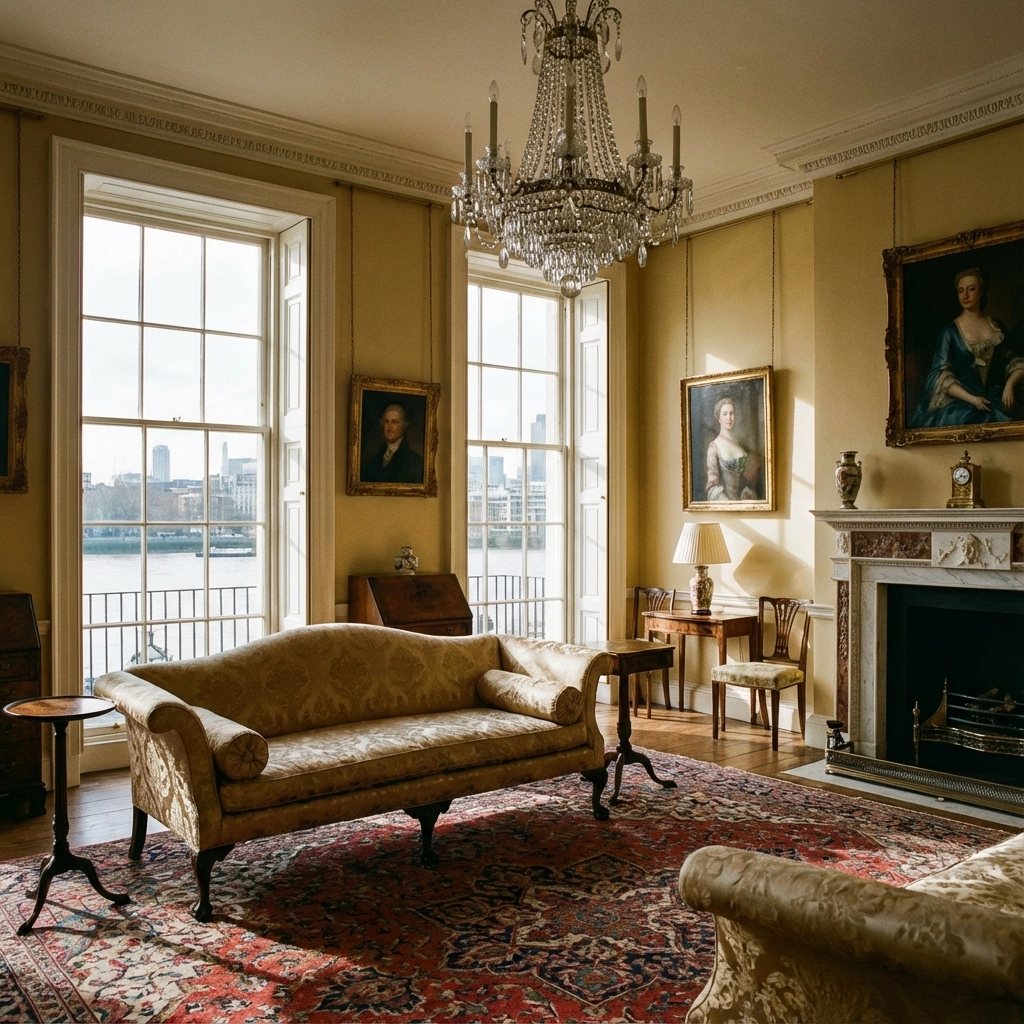
Our conservation-approved secondary glazing solution involved installing virtually invisible interior panels that matched the Georgian glazing bar pattern exactly. Using specialized heritage fixings that avoided damaging original frames, we created an additional acoustic and thermal barrier while maintaining the windows' historical appearance from both interior and exterior viewpoints.
The installation required approval from Richmond's conservation officer, achieved through detailed heritage impact assessments and material specifications that demonstrated compatibility with the property's listing requirements.
Results:
- 38dB noise reduction
- 45% thermal efficiency improvement
- £400 annual heating cost reduction
- Complete heritage preservation
- Eliminated condensation problems
Case Study 2: Victorian Villa Near Richmond Park
Property: Substantial Victorian villa from 1885, Sheen Road near Sheen Gate Value: £1.6M Challenge: Traffic noise and thermal performance for family with three school-age children
The property's original Victorian windows featured beautiful etched glass panels and decorative glazing that formed key architectural features. However, proximity to the park meant constant traffic from visitors, joggers, and cycling groups, while the property's exposure to Richmond's elevated position created significant heat loss during winter months.
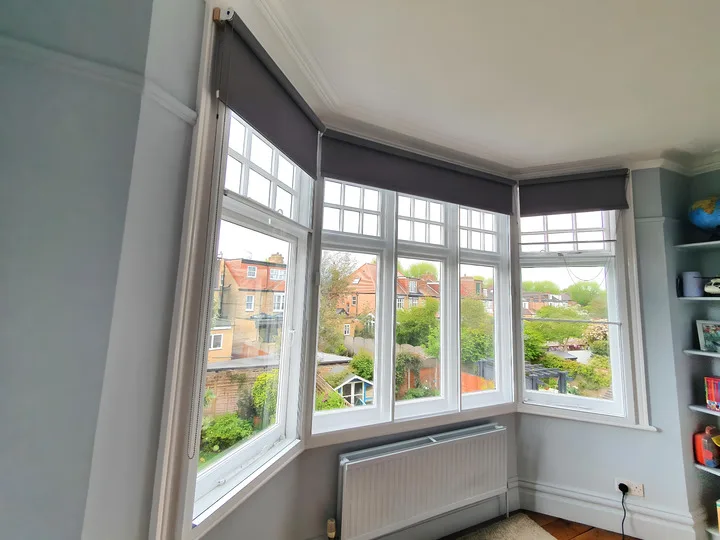
Our solution involved installing heritage-style secondary glazing panels that replicated the Victorian glazing bar patterns while providing modern thermal and acoustic performance. Specialized corner treatments for bay windows ensured complete coverage without compromising the property's architectural integrity.
Results:
- 40dB noise reduction from park traffic
- Eliminated drafts in all rooms
- Enhanced security through additional glazing layers
- Significant bedroom comfort improvements
Case Study 3: Twickenham Property Near RFU Stadium
Property: 1930s family home on Rugby Road, 300 meters from RFU Stadium Value: £950k Challenge: Match day noise for family with two teenage children
The property's metal-framed windows from the 1930s provided excellent natural light but offered minimal noise protection during major rugby events. International matches, training sessions, and crowd movement created significant acoustic disturbance, while the family appreciated living in Twickenham's rugby heartland.
Our installation included high-performance acoustic secondary glazing designed specifically for properties near major sporting venues. Advanced acoustic materials and specialized sealing systems provided maximum noise reduction during peak periods while maintaining easy operation for daily use.
Results:
- 42dB noise reduction during match days
- Improved thermal performance
- Option to open windows for match atmosphere when desired
- Year-round comfort regardless of stadium activities
Heritage Window Solutions for Royal Borough Living
Richmond and Twickenham's heritage properties require specialized approaches that respect architectural significance while delivering modern performance. Georgian window treatments must preserve glazing bar patterns, crown glass characteristics, and original hardware that defines these properties' historical value.
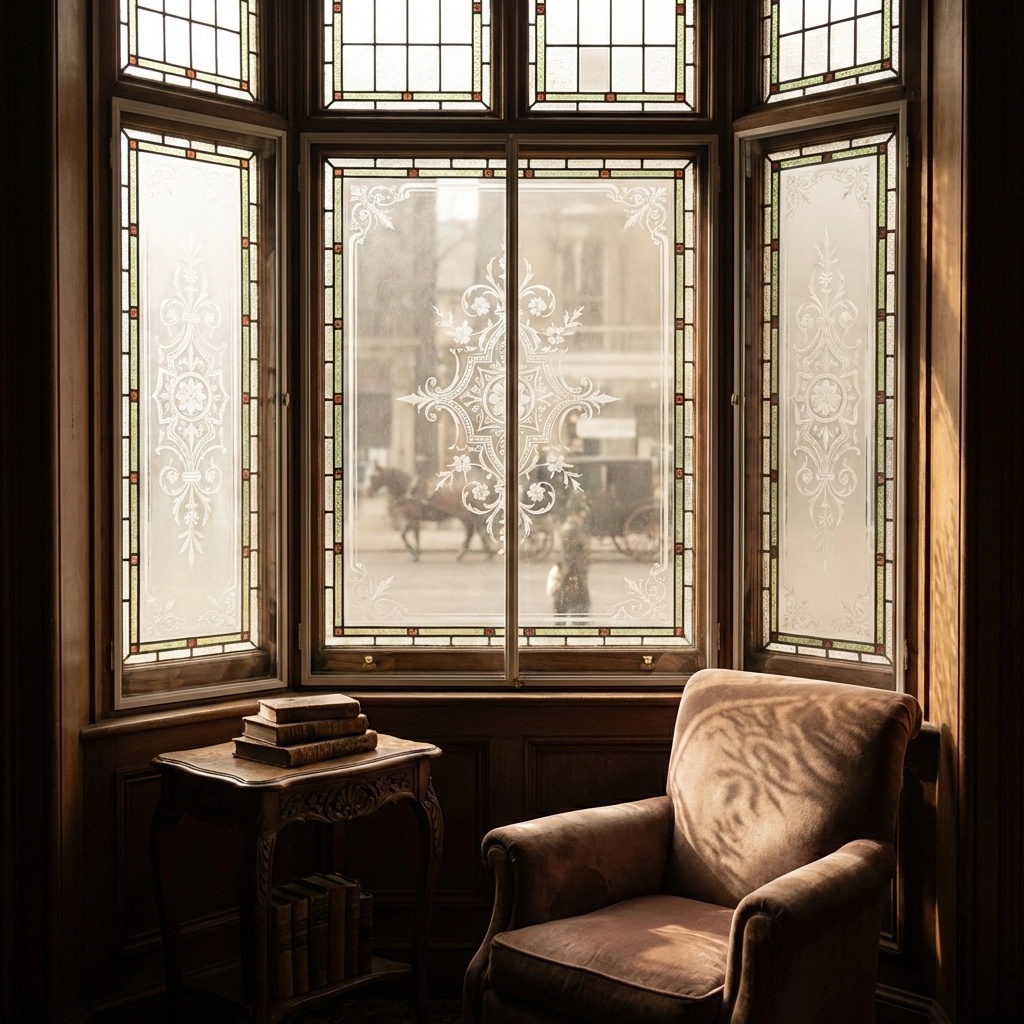
Victorian properties throughout the area feature decorative glazing, bay windows, and etched glass panels that form integral architectural elements. Professional secondary glazing maintains these features while providing thermal and acoustic improvements that make heritage properties comfortable for contemporary family living.
Conservation area compliance requires detailed understanding of Richmond-upon-Thames planning requirements, heritage officer expectations, and installation methods that avoid damaging original window frames or glazing systems that may be centuries old.
Independent School Families and Property Investment
Richmond and Twickenham's concentration of prestigious independent schools: including Hampton School, Lady Eleanor Holles, and Richmond upon Thames College: attracts affluent families seeking both educational excellence and heritage living environments.
| Property Type | Typical Value Range | Common Secondary Glazing Needs |
|---|---|---|
| Georgian terraces near Richmond Green | £2M - £3M+ | Full conservation compliance |
| Victorian villas near park | £1.2M - £2.5M | Heritage-style panels |
| 1930s family homes | £800k - £1.2M | Acoustic performance focus |
| Riverside properties | £3M - £5M+ | Thames view preservation |
School proximity means properties experience regular traffic patterns during term time, making acoustic performance crucial for family comfort. Parents working from home require quiet environments for professional activities, while children need peaceful study spaces during examination periods.
Royal Parks Access and Lifestyle Benefits
Richmond Park's 2,500 acres provide residents with unique access to royal parkland featuring wild deer herds, ancient woodlands, and historic plantations that have remained unchanged for centuries. Properties with park views command significant premiums, with Georgian terraces overlooking the park reaching £4M+ for prime locations.
Park-facing property solutions must balance maximizing views with providing comfort during busy periods when cycling clubs, running groups, and tourist coaches create traffic along park perimeter roads.
Morning joggers, cycling enthusiasts, and weekend visitors generate consistent low-level noise that secondary glazing effectively reduces without compromising the lifestyle benefits of park proximity. Families can enjoy their heritage properties' views while maintaining peaceful interior environments.
Technical Solutions for Heritage Properties
Professional secondary glazing systems for Richmond and Twickenham properties require specialized materials and installation methods that respect heritage requirements while delivering superior performance:
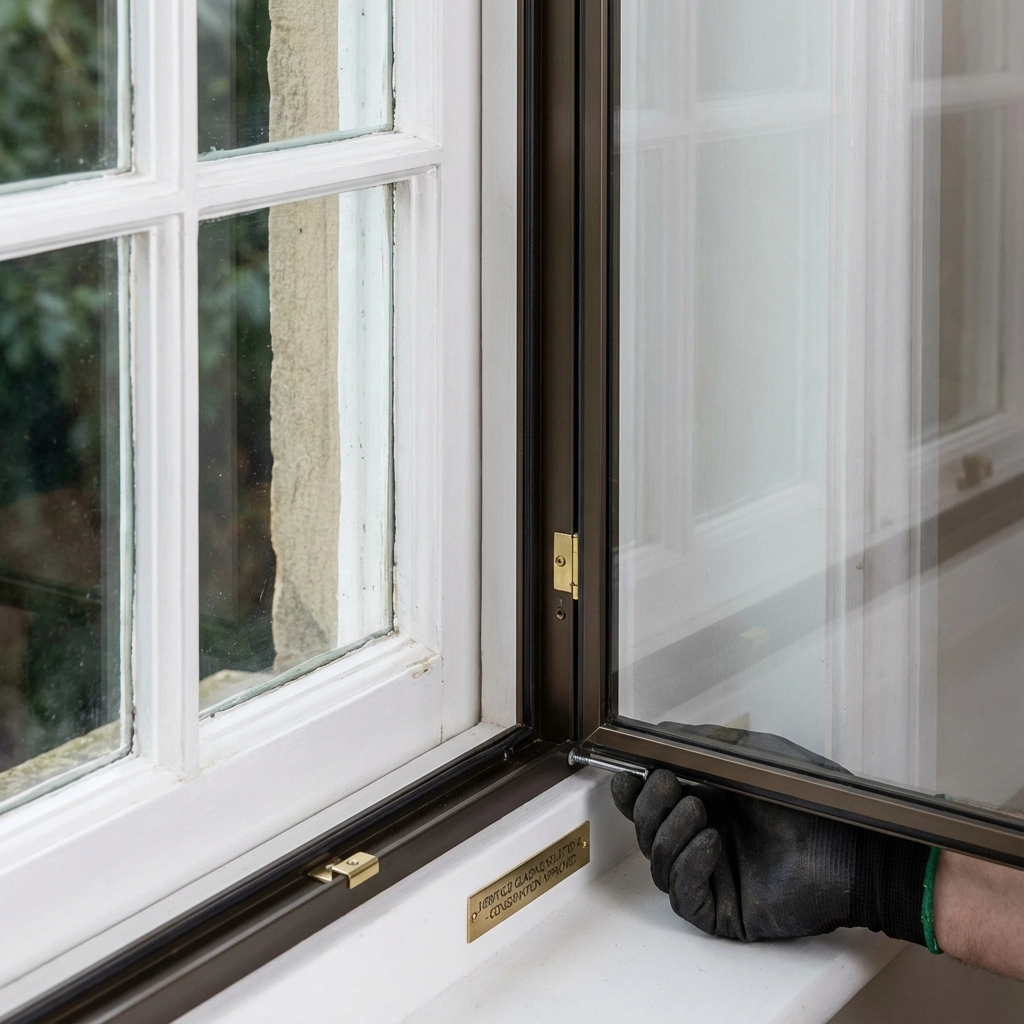
Slimline Profiles: Minimal visual impact while maintaining structural integrity
Advanced Acoustic Glazing: Multiple glass thicknesses with specialized air gaps for maximum noise reduction
Thermal Performance: Modern efficiency standards while preserving original window functionality
Conservation-Approved Fixings: Reversible installation methods approved by heritage officers and property insurers
Professional installation includes detailed documentation for heritage compliance and future property transactions.
Riverside Living and Thames Views
Richmond's Thames frontage provides some of London's most prestigious riverside addresses, where Georgian and Victorian properties command prices exceeding £5M for prime locations. These properties face unique challenges from river traffic, tourist boats, and pedestrian traffic along the Thames Path.
Riverside property solutions address both waterborne noise and thermal challenges from river proximity while preserving the Thames views that define these properties' exceptional value.
Secondary glazing installation for riverside properties requires understanding both acoustic requirements and conservation constraints that protect the Thames landscape's historical significance. Solutions must be virtually invisible from the river while providing comprehensive performance improvements.
Getting Started: Professional Assessment Process
Professional assessment for Richmond and Twickenham heritage properties begins with detailed property surveys that identify conservation constraints, architectural significance, and performance improvement opportunities.
Heritage Assessment Includes:
- Detailed property survey
- Conservation requirements consultation
- Technical specifications
- Heritage compliance documentation
- Detailed quotations
Installation scheduling considers conservation approvals, material sourcing, and specialized installation techniques required for heritage properties.
Investment Value and Long-term Benefits
Secondary glazing represents significant value for Richmond and Twickenham property owners, providing measurable improvements in:
- Comfort: Thermal and acoustic performance
- Energy Efficiency: Improved EPC ratings
- Property Value: Enhanced marketability
- Heritage Preservation: Maintained architectural authenticity
Professional installation adds permanent value through improved comfort levels and demonstrated heritage compliance that appeals to future buyers seeking authentic period properties with modern performance standards.
For affluent families investing in Richmond and Twickenham's heritage properties, secondary glazing provides the perfect solution for maintaining architectural authenticity while achieving comfort standards appropriate for contemporary royal borough living.
Ready to explore secondary glazing options for your Richmond or Twickenham property? Contact us today for your free heritage assessment and discover how we can enhance your period property while preserving its unique character.
Sources & References
Government & Regulatory
- Historic England. "Traditional Windows: Their Care, Repair and Upgrading". Historic England Guidance, 2017.Link
This primary guidance document outlines Historic England's stance on secondary glazing as a preferred solution for improving thermal and acoustic performance in listed buildings.
- London Borough of Richmond upon Thames. "Historic Buildings and Conservation Areas: Planning Guidance". Richmond Council Planning Policy, 2021.Link
The local planning authority's specific guidance regarding the preservation of historic windows and the requirements for conservation area compliance in Richmond.
Scientific & Technical
- Saint-Gobain / Glass and Glazing Federation. "Acoustic Performance of Secondary Glazing Systems in Heritage Properties". GGF Technical Manual, 2020.Link
A technical study demonstrating that secondary glazing can reduce noise levels by up to 45dB, crucial for properties near high-traffic areas like Twickenham Stadium.
- Building Research Establishment (BRE). "Thermal Performance of Traditional Windows and the Impact of Secondary Glazing". BRE Trust Report, 2019.Link
Provides evidence on the effectiveness of secondary glazing in reducing heat loss and improving energy efficiency in older solid-wall properties.
Industry Standards
- British Standards Institution. "Guidance on sound insulation and noise reduction for buildings". BS 8233:2014, 2014.Link
The British Standard providing the framework for sound insulation in buildings, supporting the article's claims on noise reduction for urban dwellings.
- Sustainable Traditional Buildings Alliance (STBA). "Planning for Thermal Retrofit of Traditional Buildings". STBA Guidance Note, 2016.Link
Official advice from the Sustainable Traditional Buildings Alliance regarding the 'whole house' approach to retrofitting heritage properties in London.
Citations generated with AI assistance. Please verify sources independently.
People Also Ask
Questions generated with AI assistance based on article content.
Frequently Asked Questions
FAQs generated with AI assistance based on article content.
Related Articles
Plan Your Richmond & Twickenham Project
Cost Calculators & Planning Tools
Before booking a survey, model the noise reduction, price up your project, and check heritage compliance using our specialist tools — built specifically for London properties like those in Richmond upon Thames.
Secondary Glazing Cost
Per-window pricing for Richmond & Twickenham from £580. Whole-house estimates included.
Interactive Cost Estimator
Get an instant tailored quote based on window count, glass spec and postcode.
Heritage Sash Calculator
Listed-building cost & compliance estimator — ideal for Richmond upon Thames conservation areas.
Secondary vs Double Glazing
Side-by-side STC ratings, cost and heritage suitability comparison.
Free Acoustic Calculator
Model the exact decibel reduction for your specific noise problem.
Secondary Glazing London
The complete London-wide hub: every glass spec, borough and listed-building rule.
Next Step
Book a Free Noise Survey
Get a tailored acoustic report and fixed quote for your property. No obligation, surveys across London within 5 working days.