If you live in London, you already know the soundtrack: buses rumbling past at 6am, sirens wailing down your street, and the constant hum of traffic that never quite disappears. You've probably tried everything — heavy curtains, white noise machines, maybe even those foam earplugs that fall out halfway through the night.
Here's the thing: your windows are the problem. And no, we're not talking about replacing them with fancy new double glazing that costs a fortune and ruins your period home's character. We're talking about soundproof secondary glazing — specifically, the kind fitted with 10.8mm acoustic laminate glass.
This isn't marketing fluff. There's actual science behind why this thickness works so well at blocking traffic noise. Let's break it down.
What Is Soundproof Secondary Glazing, Anyway?
Before we dive into the technical stuff, let's get clear on what we're actually talking about.
Secondary glazing is basically a second layer of glazing fitted to the inside of your existing windows. It's not a replacement — it works with your current windows to create a barrier against noise, drafts, and heat loss.
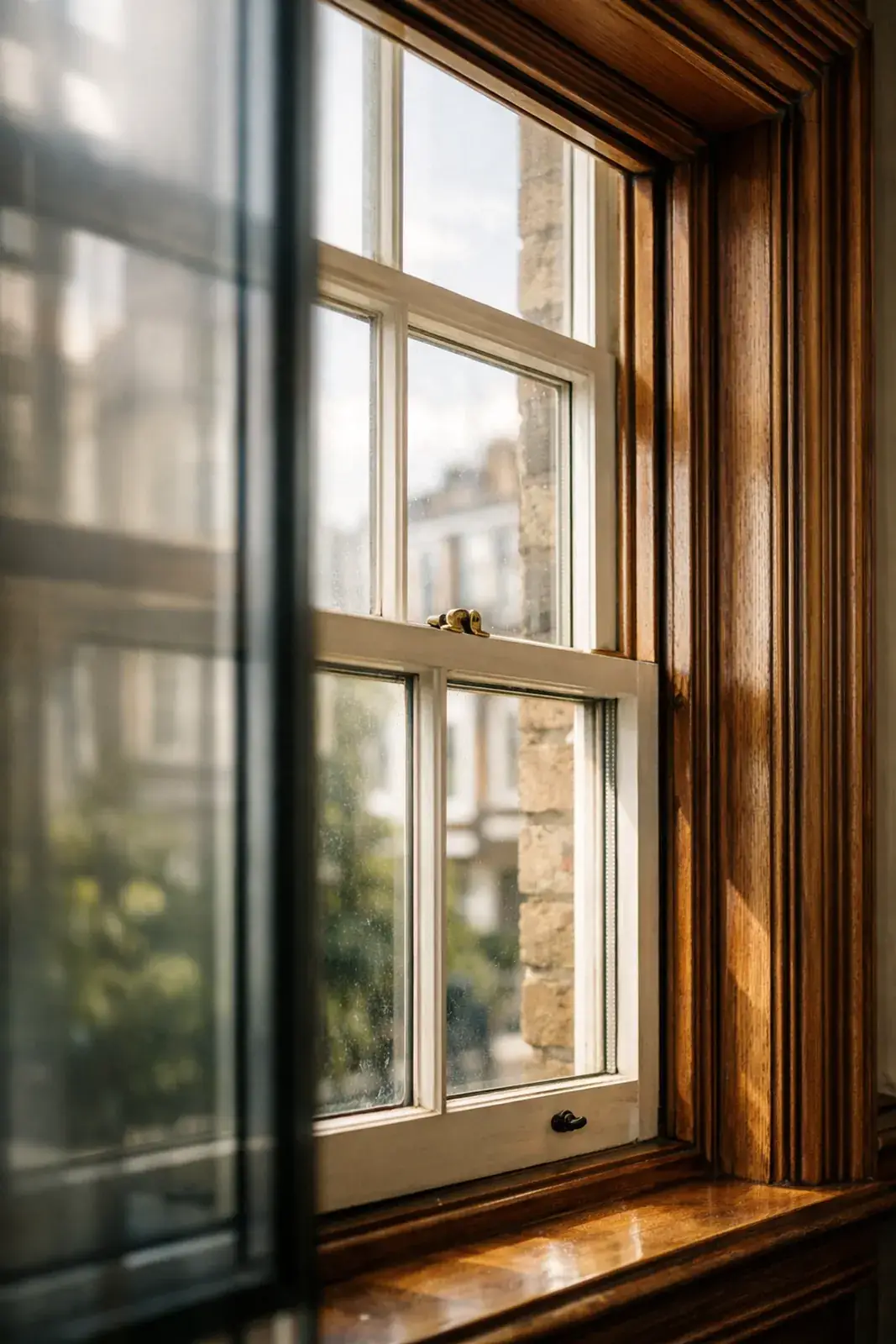
The magic happens in the gap between your original window and the new secondary pane. That air gap (usually between 100–150mm) is where sound waves lose their energy. But here's where it gets interesting: not all glass is created equal when it comes to blocking noise.
Standard glass? Pretty rubbish at stopping low-frequency rumbles like lorries and buses. But 10.8mm acoustic laminate glass? That's a completely different story.
The Science Bit: How 10.8mm Acoustic Laminate Glass Actually Works
Right, so why 10.8mm specifically? Why not 6mm or 12mm or some random thickness?
It comes down to sound wavelength disruption.
Sound travels in waves, and different noises have different wavelengths. Traffic noise — the stuff that drives you mad — sits in the low-to-mid frequency range (around 125–500 Hz). This is the hardest type of noise to block because those longer wavelengths have more energy.
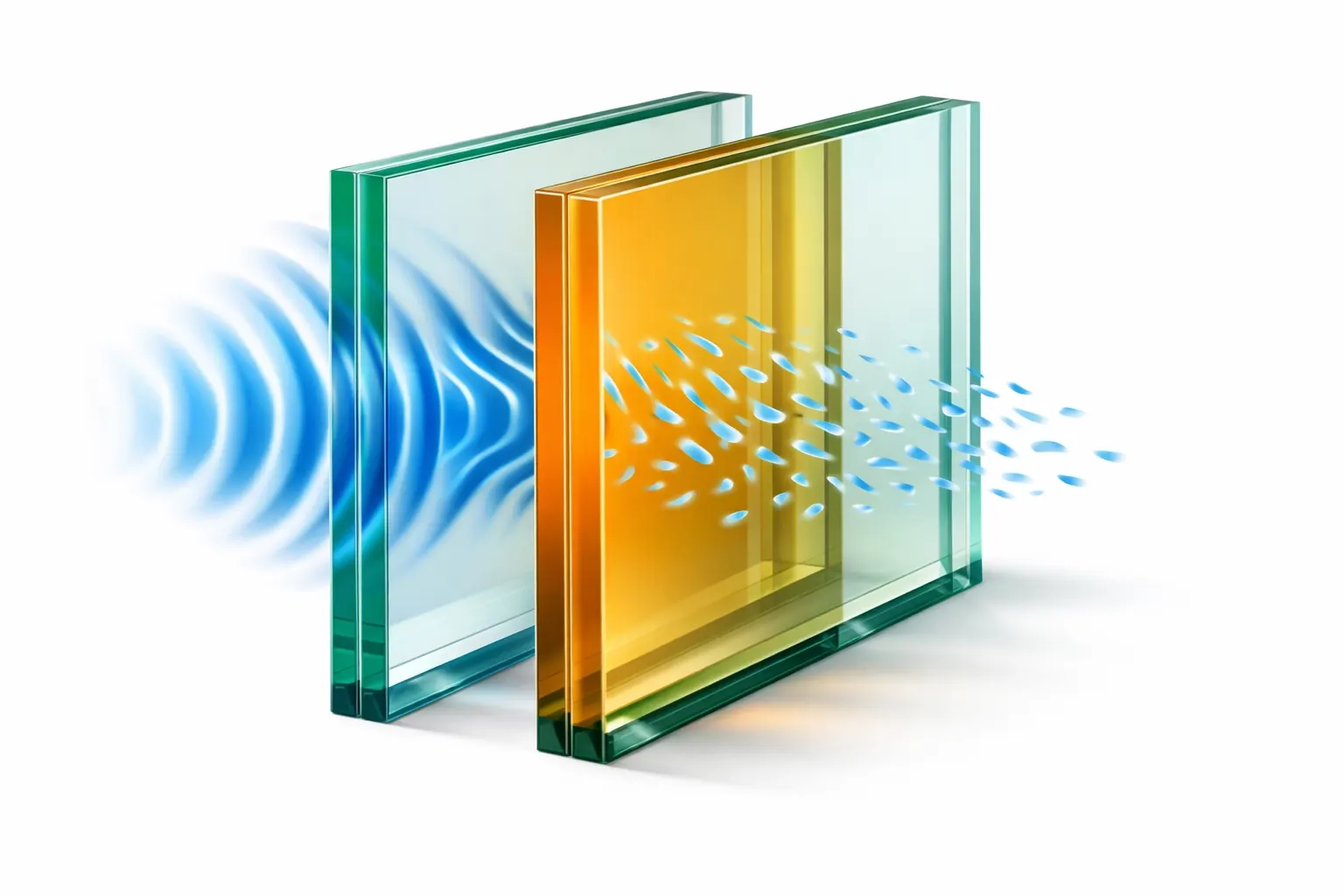
Here's what makes 10.8mm acoustic laminate glass special: it's actually two layers of glass (usually 4mm and 6.8mm) bonded together with a special acoustic PVB interlayer. This interlayer is like a shock absorber for sound waves.
When sound hits the glass:
- The outer layer vibrates (because, you know, physics)
- The acoustic PVB layer absorbs and dampens those vibrations
- By the time the sound reaches the inner layer, it's lost most of its energy
- The different glass thicknesses (4mm vs 6.8mm) also help because they vibrate at different frequencies — this prevents resonance, which is when both panes start singing the same tune and actually amplify noise
The 10.8mm total thickness hits the sweet spot for disrupting the wavelengths of typical urban traffic noise. Too thin, and it won't have enough mass to stop low frequencies. Too thick, and you're paying extra for minimal gains.
Why Secondary Glazing Beats Standard Double Glazing for Traffic Noise
Look, double glazing is fine. It'll keep your home warmer and quieter than single-pane windows. But when it comes to serious noise reduction windows for London traffic, it's like bringing a knife to a gunfight.
Here's why soundproof secondary glazing wins every time:
The air gap is bigger. Standard double glazing has a gap of about 10–20mm between panes. Secondary glazing? You're looking at 100–200mm. That extra space gives sound waves more room to lose energy before hitting your ears.
It works with your existing windows. Your original window and the secondary pane act as two completely separate barriers. Sound has to work twice as hard to get through. With double glazing, it's all one sealed unit, so if sound gets through the outer pane, there's less stopping it from reaching the inner one.
Different glass thicknesses = better performance. Your original window might be 4mm glass. Add 10.8mm acoustic laminate as your secondary layer, and you've got a system where both panes vibrate at totally different frequencies. This drastically reduces resonance and sound transmission. Double glazing units typically use identical glass thickness on both sides, which means they can actually amplify certain frequencies.
Real-world results: A well-installed secondary glazing system with 10.8mm acoustic laminate glass can achieve up to 51dB sound reduction. When combined with your existing window, you're looking at total reductions of 55dB or more.
To put that in perspective: a bus driving past your window measures about 85dB. With proper secondary glazing, that drops to around 30dB — which is quieter than a whisper.
What This Actually Means for London Homeowners
Alright, enough science. Let's talk about what this looks like in real life.
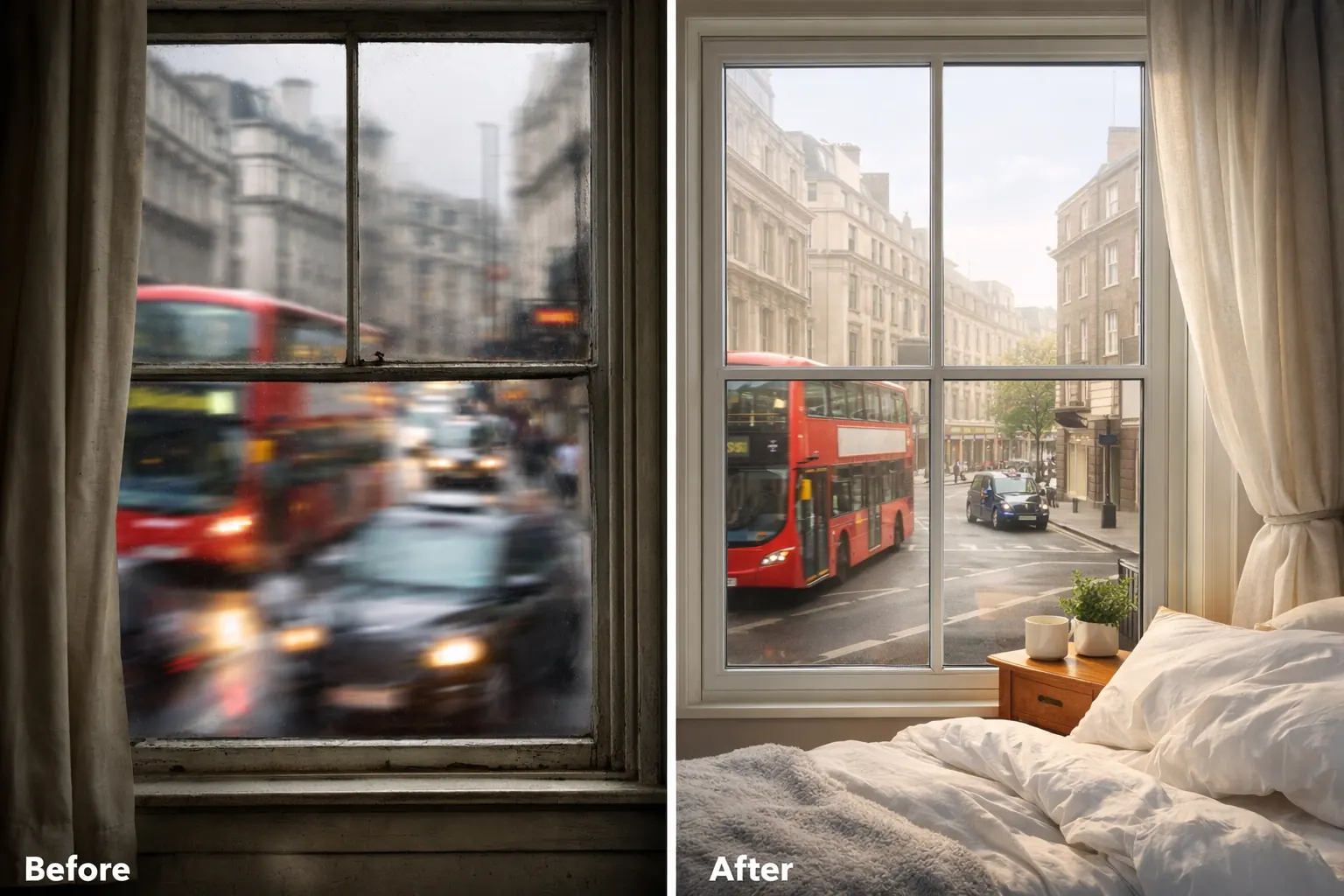
You're on a main road in Clapham. Before secondary glazing, you couldn't have a phone conversation with the window closed. Every lorry that passed made your floorboards rattle. Sleeping with the window open in summer? Forget it.
After installing secondary glazing with 10.8mm acoustic laminate glass:
You can actually sleep. Street noise drops from "angry motorbike convention" to "gentle background hum." Most people report being able to sleep through the night without waking up to sirens or delivery trucks.
Your home feels bigger. Sounds weird, but when you're not constantly on edge from noise, rooms feel more spacious and calming. Your living room becomes an actual place to relax, not just somewhere you tolerate between Spotify playlists.
You save money on energy bills. The same air gap that blocks sound also traps heat. Most homeowners see a noticeable drop in heating costs, especially if they've got drafty old sash windows.
Your period features stay intact. If you're in a listed building or conservation area, ripping out original windows isn't an option anyway. Secondary glazing is fully reversible and doesn't alter the external appearance. Conservation officers love it.
Traffic Noise Reduction: The Numbers That Matter
Let's get specific about traffic noise reduction performance.
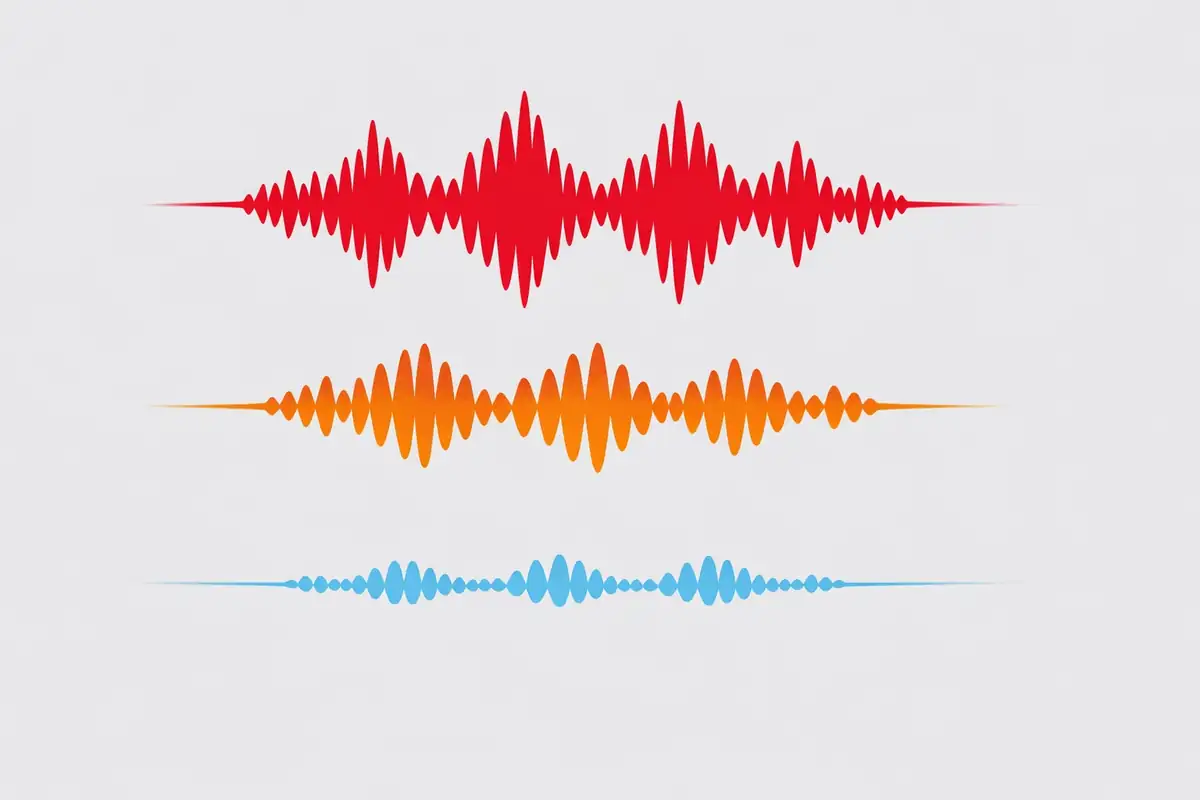
Standard double glazing: typically reduces noise by 20–30dB. That's decent, but not game-changing if you're on a busy road.
Secondary glazing with 10.8mm acoustic laminate glass: 45–55dB reduction when properly installed.
Here's what those numbers actually sound like:
- 85dB (lorry passing outside) → 30–35dB (quiet library whisper)
- 75dB (busy street traffic) → 20–25dB (rustling leaves)
- 70dB (car horn) → 15–20dB (breathing)
The difference between 30dB and 55dB of reduction might not sound huge on paper, but in real life, it's the difference between "I can sort of cope with this" and "Wait, did they close the road outside?"
Finding Proper Secondary Glazing Installers
Here's the bit that actually matters: installation quality makes or breaks the whole system.
You can have the best 10.8mm acoustic laminate glass money can buy, but if the seals aren't airtight or the frame isn't fitted properly, you'll still hear every motorbike that goes past.
What to look for in secondary glazing installers:
Experience with acoustic installations. Not all secondary glazing is designed for soundproofing. Some companies specialise in thermal performance and treat noise reduction as an afterthought. You want someone who understands acoustic principles and can recommend the right air gap size for your specific noise issues.
Proper sealing systems. The frame needs compression seals all around, not just magnetic strips or plastic clips. Air leaks = sound leaks.
Understanding of different glass types. 10.8mm acoustic laminate glass isn't always necessary. Sometimes 6.4mm or 8.8mm acoustic glass is enough, depending on your noise levels and budget. A good installer will do a proper noise assessment before quoting.
Most importantly: they should understand how your existing windows work — especially if you've got period sash windows or listed building restrictions.
The Bottom Line
Soundproof secondary glazing with 10.8mm acoustic laminate glass isn't magic — it's just really good physics.
The combination of a wide air gap, mass-loaded acoustic glass, and different pane thicknesses creates a system that's genuinely brilliant at stopping traffic noise. It works because it attacks the problem from multiple angles: decoupling, absorption, and wavelength disruption.
For London homeowners dealing with constant street noise, it's honestly the most cost-effective solution. You get serious noise reduction without touching your original windows, planning permission headaches, or six-figure renovation bills.
The difference between living with traffic noise and actually having peace and quiet in your own home? That's not a small thing. That's being able to think clearly, sleep properly, and actually enjoy your space.
And yeah: 10.8mm acoustic laminate glass really does work. The science checks out, the real-world results back it up, and thousands of Londoners are sleeping better because of it.
If you're ready to stop living with the noise, get in touch for a free acoustic survey and find out how secondary glazing can transform your home.