
Living in the Royal Borough of Kensington and Chelsea represents the pinnacle of London residential life. As the capital's smallest yet most densely populated borough, this prestigious area combines architectural grandeur with modern luxury, making it one of the world's most desirable postcodes for discerning homeowners.
From the elegant Georgian terraces of Chelsea to the imposing Victorian mansion blocks of Kensington, this guide explores everything you need to know about calling this remarkable borough home—from navigating complex planning regulations to enhancing your period property while preserving its historic character.
The Architectural Landscape of Kensington and Chelsea
Victorian and Georgian Elegance
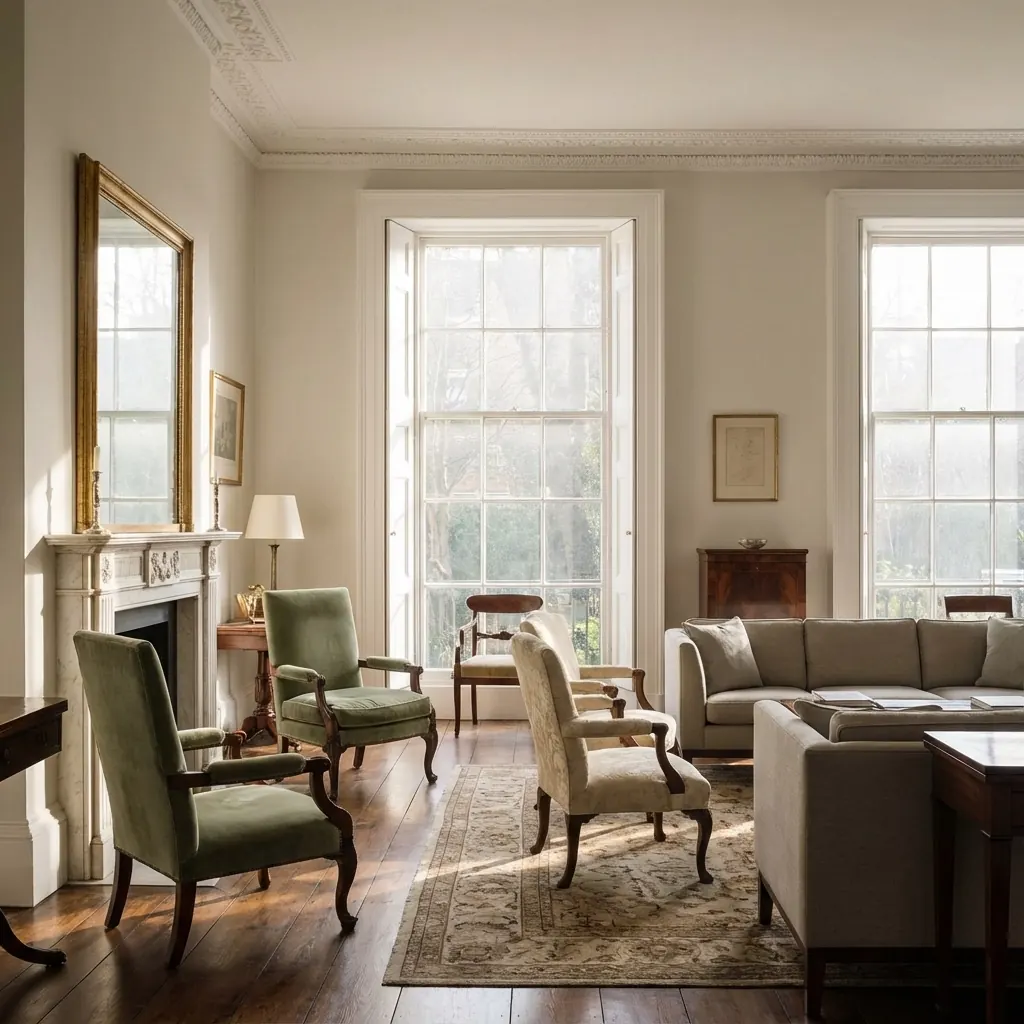
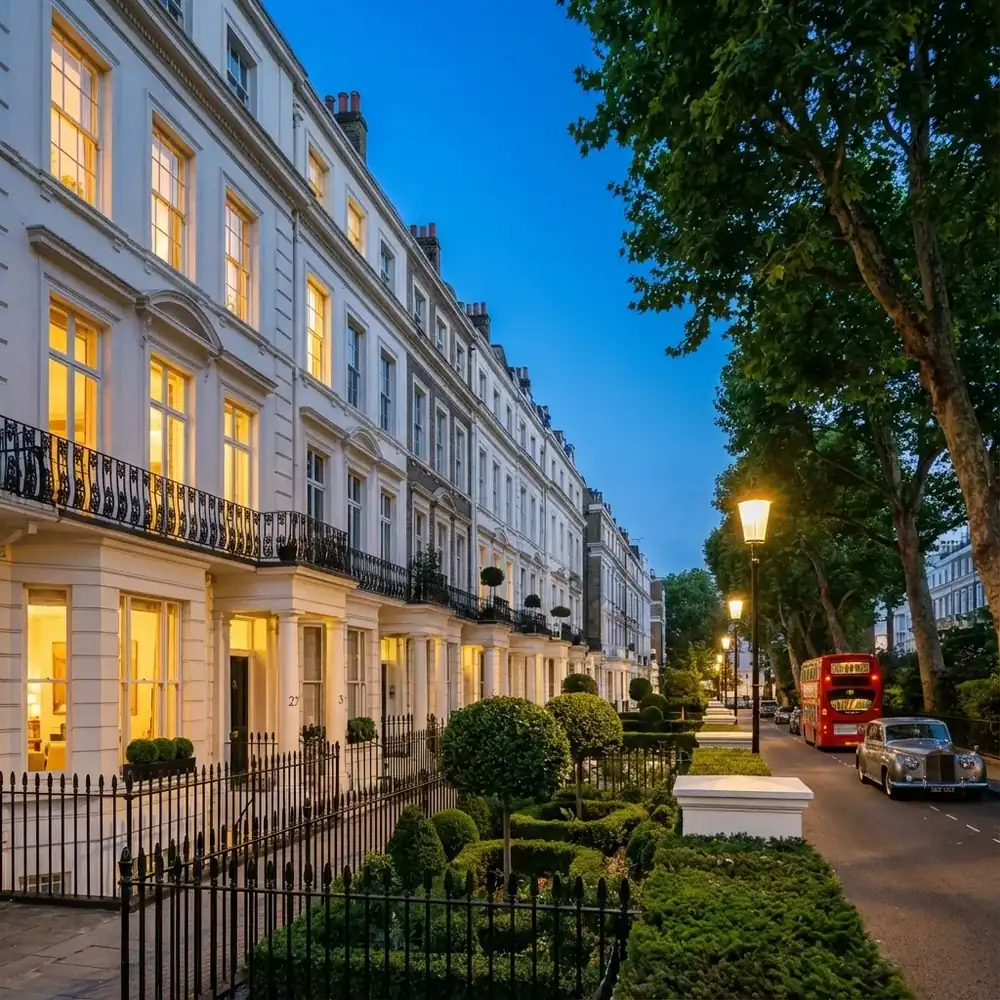
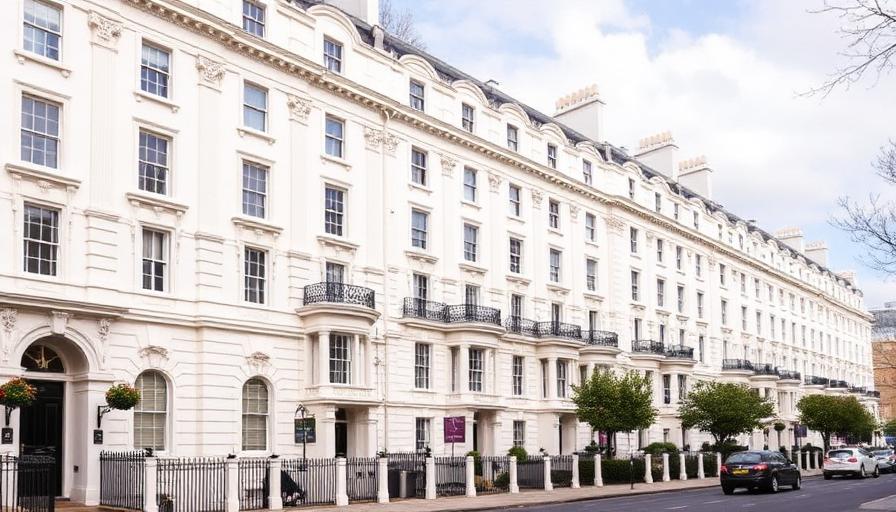
The borough's architectural heritage is dominated by stunning Victorian and Georgian properties, each presenting unique opportunities and challenges for modern homeowners. Georgian townhouses with their characteristic brown or white stuccoed facades can stretch up to six storeys, offering generous living spaces but often requiring sensitive modernisation approaches.
These period properties, particularly those built between 1837 and 1901, frequently feature original sash windows that are both architecturally significant and thermally inefficient. Many homeowners discover that traditional window solutions for Victorian properties can dramatically improve comfort while respecting historical authenticity.
Victorian terraced houses line many of the borough's most coveted streets, from the artist's haven of Chelsea to the museum district of South Kensington. These properties often feature bay windows, decorative brickwork, and period details that require specialist knowledge to maintain and enhance appropriately.
Mansion Blocks and Mews Houses
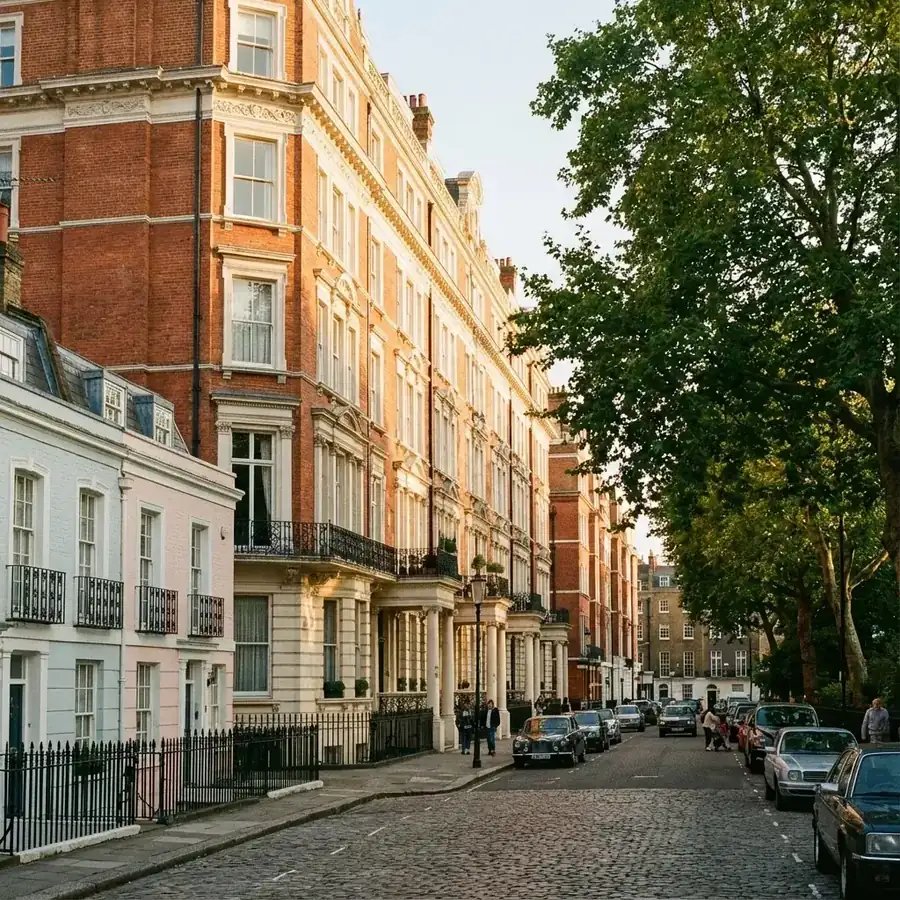
The red-brick mansion blocks, particularly prominent around South Kensington, represent some of London's most elegant apartment living. Built during the late Victorian era, these buildings offer spacious flats with high ceilings but can present acoustic challenges due to their proximity to busy thoroughfares.
Mews houses, originally built as servant quarters and stables, now command premium prices for their unique character and relative tranquility. These properties often benefit from their tucked-away locations but may require creative solutions for noise reduction when located near main roads.
Conservation Areas: Preserving Historic Character
Understanding the Restrictions
Kensington and Chelsea contains numerous conservation areas, each with specific planning guidelines designed to preserve the borough's architectural heritage. Areas such as Kensington Court, Ladbroke, Royal Hospital, and Cheyne conservation areas each have distinct characteristics and requirements.
Property owners in these designated areas face particular challenges when planning home improvements. Window modifications in conservation areas require careful consideration of both aesthetic and thermal performance requirements, often limiting the options available for energy efficiency improvements.
The South Kensington Conservation Area, encompassing the museum district and surrounding residential streets, maintains some of the strictest guidelines in London. Properties here, including many listed buildings, require specialist advice for any external modifications.
Working with Conservation Officers
The Royal Borough's conservation officers are knowledgeable but demanding when reviewing applications. Successful applications typically demonstrate clear understanding of:
- Historical significance of existing features
- Appropriate materials and techniques
- Minimal visual impact on street scenes
- Reversibility of modifications where possible
For homeowners of listed properties in Kensington, even minor changes can require listed building consent, making professional guidance essential from the planning stage.
Common Home Improvement Challenges
Traffic Noise: The Hidden Cost of Prestige
Despite its prestigious status, Kensington and Chelsea faces significant noise pollution from major arterial routes. Cromwell Road, one of London's busiest thoroughfares, generates constant traffic noise affecting properties throughout South Kensington. Similarly, the King's Road in Chelsea, while culturally significant, can be problematic for residents seeking tranquility.
Properties near Exhibition Road and around the Royal Albert Hall face additional challenges from tourist buses and event traffic. Many residents discover that noise reduction solutions can transform their living experience without compromising the historic character of their properties—especially when looking for noise reduction windows that work within conservation rules. Use our acoustic calculator to estimate likely improvements for your room and window type.
The proximity to Heathrow Airport also means that properties in certain parts of the borough experience aircraft noise, particularly those with southern exposures. This combination of road and air traffic makes acoustic comfort a priority for many homeowners.
Energy Efficiency in Period Properties
Victorian and Georgian properties, while architecturally magnificent, were built long before modern insulation standards existed. Original single-glazed windows, high ceilings, and solid walls create significant thermal challenges that can result in:
- Annual heating bills exceeding £3,000 for larger properties
- Difficulty maintaining consistent temperatures
- Cold drafts affecting comfort and health
- Condensation issues leading to potential damage
Many homeowners find that Georgian window solutions provide the most effective balance between energy efficiency and heritage compliance.
Planning Permission Complexities
The Royal Borough's planning department operates some of London's most stringent guidelines. Applications that might be straightforward in other boroughs often require extensive documentation and specialist input in Kensington and Chelsea.
Permitted Development Rights are often restricted or removed entirely in conservation areas, meaning that even minor external changes may require formal planning permission. Understanding planning permission requirements for conservation areas can save homeowners months of delays and thousands in professional fees.
The borough's Article 4 Directions remove many standard permitted development rights, particularly affecting:
- Window replacements
- Roof modifications
- External insulation installations
- Satellite dish installations
Window Solutions for Heritage Properties
Balancing Efficiency with Authenticity
For many Kensington and Chelsea homeowners, windows represent the greatest challenge in achieving modern comfort standards while preserving period character. Traditional double glazing is often prohibited or inappropriate, leading many to explore alternative solutions.
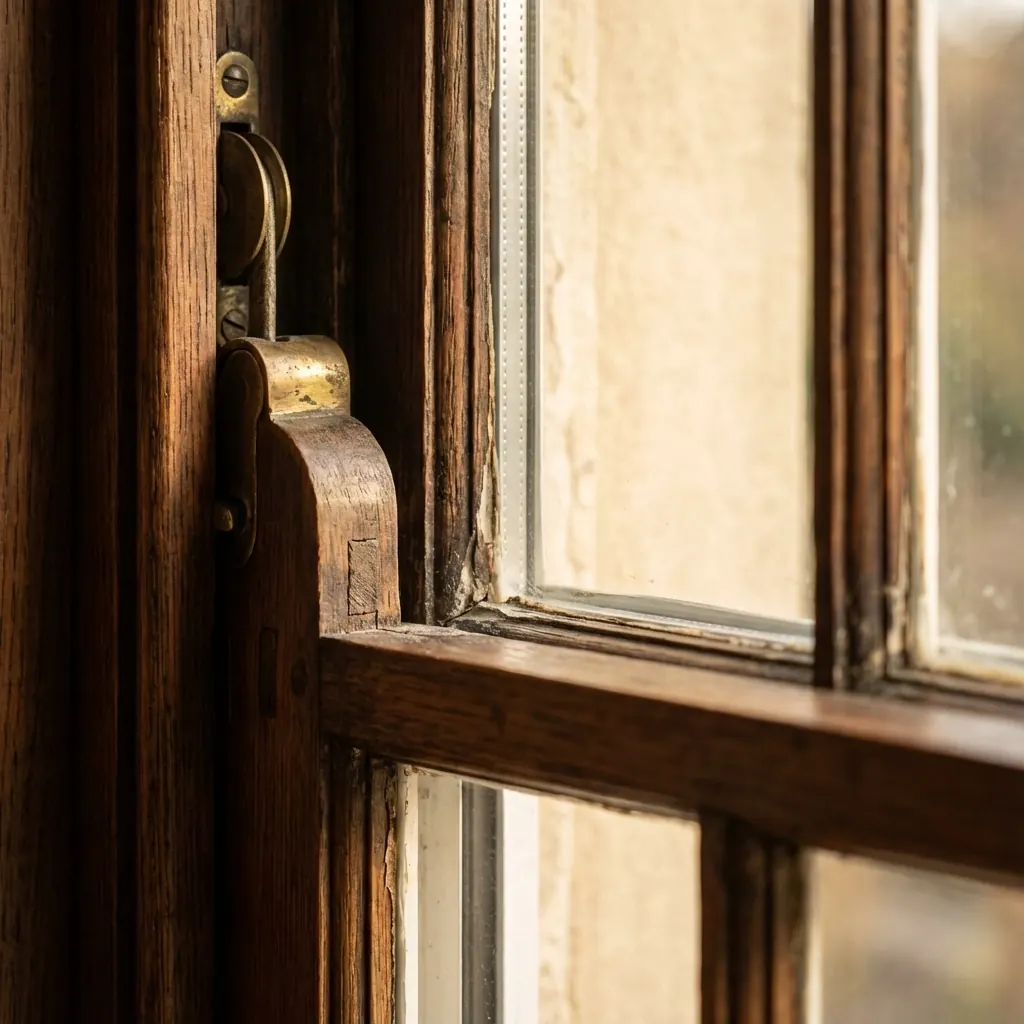
Sash windows, ubiquitous throughout the borough, present particular challenges. Original timber sash windows may be over 100 years old, leading to drafts, rattling, and poor thermal performance. However, wholesale replacement is often neither permitted nor desirable from a heritage perspective.
Professional sash window secondary glazing solutions can dramatically improve performance while maintaining authentic appearance. These internal systems can achieve:
- Up to 70% reduction in heat loss
- Significant noise reduction from traffic and aircraft
- Elimination of drafts and condensation
- Complete reversibility for listed buildings
Conservation-Compliant Solutions
The key to successful window improvements in Kensington and Chelsea lies in choosing solutions that respect both planning requirements and architectural integrity. Secondary glazing systems offer the most versatile approach, providing:
Thermal Performance: Modern systems can achieve U-values approaching those of double glazing while maintaining original windows intact.
Acoustic Benefits: Particularly valuable for properties facing Cromwell Road, King's Road, or other major routes.
Heritage Compliance: Internal installation means no external visual impact, crucial for conservation area approval.
Flexibility: Systems can be designed as fixed units or removable panels, depending on property requirements and planning restrictions.
Working with the Royal Borough Council
Understanding the Process
The Royal Borough's planning department operates differently from many London authorities, with higher expectations for application quality and supporting documentation. Successful applications typically include:
- Detailed heritage impact assessments
- Professional drawings showing existing and proposed conditions
- Material specifications with conservation area appropriateness
- Photographic surveys of existing conditions
Building Relationships with Professionals
Given the complexity of working within conservation areas and with listed buildings, most successful homeowners develop relationships with:
Conservation Architects: Who understand both the technical requirements and aesthetic sensibilities of period properties.
Specialist Contractors: Experienced in heritage property work and familiar with borough-specific requirements.
Planning Consultants: Who can navigate the complex approval processes and maintain relationships with conservation officers.
For window-related improvements, working with contractors experienced in Kensington and Chelsea secondary glazing installations ensures both technical competence and planning compliance. Get in touch to discuss your specific requirements.
Property Values and Strategic Improvements
Investment Considerations
Property values in Kensington and Chelsea remain among London's highest, with average prices often exceeding £2 million for substantial family homes. This creates both opportunities and responsibilities for homeowners considering improvements.
Value-Adding Improvements that respect heritage character typically include:
- Sensitive kitchen and bathroom modernisation
- Improved thermal efficiency through appropriate methods
- Enhanced security systems
- Acoustic improvements for comfort
- Sympathetic basement conversions (where permitted)
Acoustic comfort has become increasingly important for property values, particularly for homes facing major roads. Properties with effective noise reduction solutions often command premiums when marketed to discerning buyers.
Long-term Stewardship
Owning property in Kensington and Chelsea represents stewardship of architectural heritage. The most successful homeowners view their improvements as contributions to the borough's long-term preservation while enhancing their own living experience.
This perspective guides decision-making toward solutions that:
- Preserve original features wherever possible
- Use traditional materials and techniques appropriately
- Enhance rather than compromise architectural integrity
- Provide modern comfort without visual impact
The Future of Living in Kensington and Chelsea
Emerging Trends
Contemporary homeowners in the borough increasingly prioritise:
Sustainable Solutions: Achieving carbon reduction goals while respecting heritage constraints requires innovative approaches to efficiency improvements.
Smart Home Integration: Incorporating modern technology discreetly within period properties demands careful planning and specialist knowledge.
Wellness Considerations: Air quality, natural light, and acoustic comfort have become primary concerns for discerning residents.
Flexibility: Properties that can adapt to changing family needs while maintaining character prove most valuable long-term.
Conclusion
Living in Kensington and Chelsea offers an unparalleled combination of architectural heritage, cultural richness, and London convenience. Success as a homeowner in this prestigious borough requires understanding both the opportunities and constraints that come with owning period property in conservation areas.
The key lies in working with specialists who understand both the technical challenges of heritage buildings and the planning requirements of the Royal Borough. Whether improving thermal efficiency, reducing traffic noise, or enhancing security, the most successful solutions respect the architectural legacy while providing modern comfort.
For homeowners committed to preserving and enhancing their piece of London's architectural heritage, Kensington and Chelsea offers a unique opportunity to combine historical stewardship with contemporary luxury living. The investment in appropriate, sensitive improvements not only enhances daily life but contributes to the borough's continued status as one of the world's most desirable residential destinations.
Ready to explore heritage-compliant solutions for your Kensington or Chelsea property? Contact us for a no-obligation consultation.
Related Articles

Next Step
Book a Free Noise Survey
Get a tailored acoustic report and fixed quote for your property. No obligation, surveys across London within 5 working days.