1. Citations unavailable
    Edge Function returned a non-2xx status code

Secondary Glazing Planning Permission London: Do You Need It?

12 min read
Share:
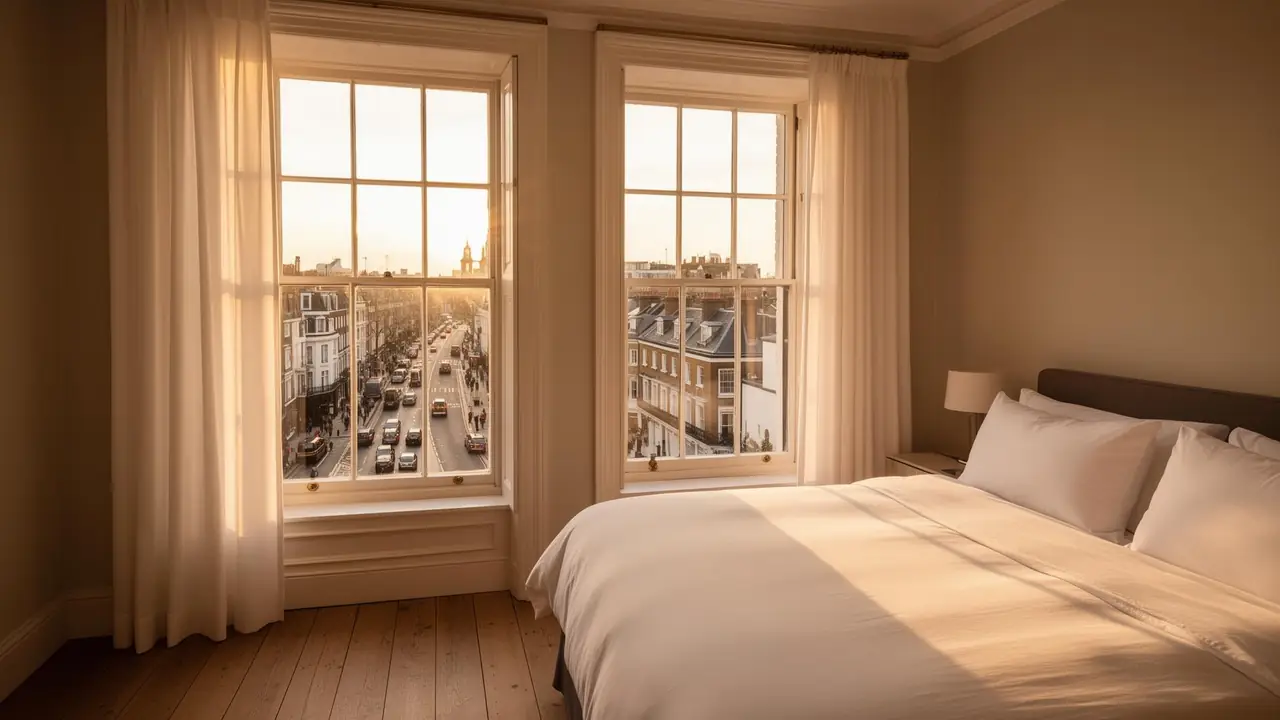
Victorian conservation area street in London with original sash windows

"Do I need planning permission for secondary glazing?" It's the question that stops more London homeowners from improving their windows than any other. The fear of navigating council bureaucracy, triggering enforcement action, or unknowingly breaking the rules keeps thousands of people living with unnecessary noise and draughty, energy-wasting windows.

The good news: in the vast majority of cases, secondary glazing requires no planning permission whatsoever. This guide explains exactly when you do and don't need consent, broken down by property type and London borough.

The Short Answer

Secondary glazing does not require planning permission in England. It is classified as an internal, reversible improvement that does not affect the external appearance of a building. This applies to:

  • Standard residential properties
  • Properties in conservation areas
  • Properties in Areas of Outstanding Natural Beauty
  • Flats and apartments (subject to lease terms)
  • Commercial properties

The only scenario where consent may be required is Listed Building Consent for Grade I and Grade II listed buildings — and even then, the rules are more permissive than most people assume.

Why Secondary Glazing Escapes Planning Rules

Planning permission in England is governed by the Town and Country Planning Act 1990 and its subsequent amendments. The key principle is that planning control applies to "development," which includes building operations and material changes of use.

Secondary glazing falls outside this definition because:

  1. It's internal: The installation sits entirely inside the building, behind the existing windows. Nothing changes on the exterior.
  2. It's reversible: The system can be completely removed without leaving significant trace — typically just small screw holes in the reveal that are easily filled.
  3. It doesn't alter the building's external appearance: From outside, the property looks identical before and after installation.

These three characteristics mean secondary glazing is not "development" under the Act and therefore requires no planning permission — regardless of whether the property is in a conservation area.

Conservation Areas: The Rules Explained

London has over 1,000 designated conservation areas, protecting the architectural and historic character of the capital's most valued streetscapes. If you live in a conservation area, you face additional restrictions on external alterations — but secondary glazing is explicitly not affected.

What Conservation Area Rules Actually Restrict

Conservation area designation provides additional planning controls over:

  • Demolition of buildings or boundary walls
  • External cladding or rendering of previously exposed surfaces
  • Tree works (6 weeks' notice required for most tree surgery)
  • Satellite dishes and aerials on front-facing elevations
  • Replacement windows that differ in material, style, or profile from the originals

Note the last item: replacement windows require planning permission in conservation areas if they differ from the originals. This is why double glazing in UPVC frames is routinely refused in Victorian conservation areas — it alters the external appearance.

What Conservation Area Rules Don't Restrict

Internal works that don't affect the external appearance are not controlled by conservation area designation. This includes:

  • Internal redecoration and refurbishment
  • Internal structural alterations (subject to Building Regulations)
  • Secondary glazing installation
  • Internal insulation works
  • Kitchen and bathroom installations

Secondary glazing is unambiguously internal. The original windows remain in place and unaltered. The view from outside is identical. No conservation area restriction applies.

Borough-by-Borough Confirmation

We've confirmed this position with planning departments across London's key boroughs:

Royal Borough of Kensington and Chelsea (RBKC): "Secondary glazing is an internal improvement and does not require planning permission, even in conservation areas. We encourage property owners to consider secondary glazing as an alternative to window replacement where original fenestration contributes to conservation area character."

London Borough of Camden: "Internal secondary glazing installations do not constitute development and are not subject to planning control. No planning application is required for properties in conservation areas."

London Borough of Lambeth: "Secondary glazing installed on the interior of existing windows does not affect the external appearance of the building and does not require planning permission in any area of the borough."

London Borough of Wandsworth: "We support secondary glazing as a reversible improvement that preserves original window character while improving energy efficiency and acoustic comfort. No planning permission is required."

London Borough of Islington: "Internal secondary glazing does not require planning permission. We actively encourage it as an alternative to window replacement in our conservation areas."

Listed Buildings: Where It Gets More Nuanced

Listed building regulations operate separately from planning permission. The key legislation is Section 7 of the Planning (Listed Buildings and Conservation Areas) Act 1990, which requires Listed Building Consent (LBC) for "any works for the demolition of a listed building or for its alteration or extension in any manner which would affect its character as a building of special architectural or historic interest."

The Critical Question: Does Secondary Glazing "Affect Character"?

This is where professional and legal opinion has evolved significantly in recent years. The current consensus, supported by Historic England guidance and multiple appeal decisions, is:

Secondary glazing generally does not require Listed Building Consent because:

  1. It doesn't alter the listed fabric — the original windows remain completely untouched
  2. It's fully reversible — removal leaves minimal trace
  3. It doesn't affect the external appearance that contributes to the building's special interest
  4. The fixings (typically 4–6 screws per window into the reveal) are minor and repairable

Historic England's Position

Historic England's guidance note on energy efficiency in historic buildings explicitly supports secondary glazing:

"Secondary glazing is one of the least invasive ways of improving the thermal and acoustic performance of historic windows. Because it is an addition to the room side of the window, it does not affect the external appearance of the building. In most cases, it can be installed without Listed Building Consent, provided the fixings are kept to a minimum and are located in areas that can be easily repaired."

When LBC Might Be Required

There are limited circumstances where Listed Building Consent could be required:

  • Grade I listed buildings with exceptionally significant interior joinery: If the window reveals themselves are considered part of the building's special interest (elaborate plasterwork, carved stone, or significant timber panelling), fixing secondary glazing into these surfaces might require consent. This affects a very small number of London properties.
  • Highly ornate window surrounds: Where secondary glazing frames would obscure or interfere with significant interior decorative features
  • Unusual fixing requirements: If the installation requires fixings into the original window frame (which professional systems avoid) rather than the reveal

The Royal Borough of Kensington and Chelsea has taken the progressive step of issuing a Local Listed Building Consent Order (LLBCO) that explicitly grants consent for secondary glazing installation in all listed buildings within the borough, subject to conditions including:

  • Frames must be set within the reveal and not project beyond the wall surface
  • Fixings must be into the reveal, not the original window frame
  • The system must be fully reversible
  • Original window furniture and glazing bars must remain unaltered

This LLBCO eliminates the need for individual LBC applications for secondary glazing in RBKC — covering Chelsea, Kensington, Notting Hill, and Holland Park. Other boroughs are expected to follow this precedent.

Leasehold Properties: The Other Permission

For leasehold flats and apartments — which represent a significant proportion of London's Victorian housing stock — there's a separate consent requirement that's nothing to do with planning:

Most leases include clauses requiring freeholder (or management company) consent for alterations. Secondary glazing typically falls under "non-structural internal alterations" and is usually approved without difficulty, particularly when presented as:

  • A reversible improvement that adds value to the property
  • A noise and thermal upgrade that benefits the building's overall condition
  • An installation that protects (rather than alters) original architectural features

Practical tip: Write to your freeholder or managing agent before installation, explaining that secondary glazing is an internal, reversible improvement that doesn't alter the external appearance. Include a product specification and installer details. Most approvals come within 2–4 weeks.

Lease Restrictions on Window Alterations

Some leases contain specific clauses about window alterations. These typically restrict replacement windows but rarely mention secondary glazing (because most Victorian leases predate the technology). If your lease is ambiguous, a short letter from the installer confirming that the original windows remain unaltered and the system is fully reversible usually satisfies freeholder concerns.

Building Regulations

Secondary glazing does not typically require Building Regulations approval because it is not classified as a replacement window. The relevant regulation — Approved Document L (Conservation of Fuel and Power) — applies to "replacement" glazing but not to additional glazing installed alongside existing windows.

However, there are two scenarios where Building Regulations may be relevant:

Means of Escape Windows

In bedrooms above ground floor level, windows designated as means of escape must allow rapid egress in a fire. Secondary glazing on these windows must include a quick-release mechanism (typically a simple lever or clip) that allows the panel to be fully opened or removed within seconds. All professional systems include this feature as standard.

Ventilation Requirements

Approved Document F (Ventilation) requires habitable rooms to have adequate background ventilation. If secondary glazing is installed on all windows in a room, trickle ventilation should be provided either through the secondary panel frame or through a separate wall-mounted ventilator. Professional installers assess ventilation requirements as part of the survey process.

The Practical Process

For Standard Properties and Conservation Areas

  1. No planning application required — proceed directly to survey and installation
  2. If leasehold: Obtain freeholder consent (2–4 weeks)
  3. Book survey: Professional acoustic and thermal assessment (free, 30–45 minutes)
  4. Manufacturing: Bespoke panels manufactured to survey specifications (2–3 weeks)
  5. Installation: Typically completed in a single day for a standard house

For Listed Buildings (Outside RBKC)

  1. Contact your borough's conservation officer informally to confirm their position on secondary glazing LBC requirements. Most will confirm no consent is needed.
  2. If LBC is advised: Submit a simple application with product specifications, installation method statement, and confirmation of reversibility. Processing time: 8 weeks. Fee: £0 (no charge for LBC applications).
  3. Proceed with survey and installation once confirmed or consented.

For Listed Buildings in RBKC

  1. No LBC application required under the Local Listed Building Consent Order
  2. Ensure compliance with LLBCO conditions (frames within reveal, fixings into reveal not frame, fully reversible)
  3. Proceed directly to survey and installation

Summary: Permission Checklist

Property TypePlanning PermissionListed Building ConsentFreeholder Consent
Standard freeholdNot requiredN/AN/A
Conservation area freeholdNot requiredN/AN/A
Standard leaseholdNot requiredN/AUsually required
Conservation area leaseholdNot requiredN/AUsually required
Grade II listed (freehold)Not requiredUsually not requiredN/A
Grade II listed (leasehold)Not requiredUsually not requiredUsually required
Grade I listedNot requiredMay be requiredIf leasehold
RBKC listed buildingNot requiredGranted by LLBCOIf leasehold

The bottom line: for the vast majority of London properties, secondary glazing can be installed without any formal permissions. Don't let planning fear keep you living with noise and draughts.

Sources & References

Citations could not be generated at this time.

People Also Ask

Related questions could not be generated at this time.

Frequently Asked Questions

FAQs could not be generated at this time.

About the Author

John Smith

John Smith

Chief Acoustic Engineer

Acoustic engineer with 15+ years of experience in noise reduction and soundproofing solutions.

Notification Citations unavailableEdge Function returned a non-2xx status code