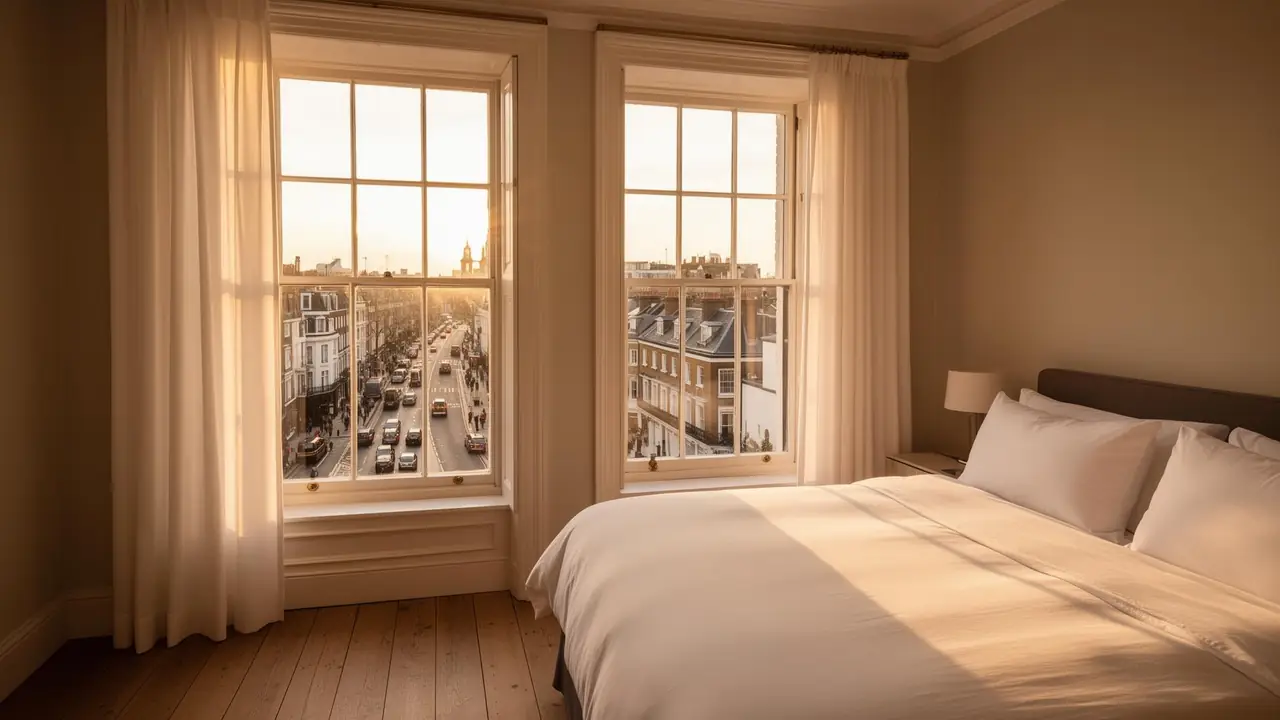
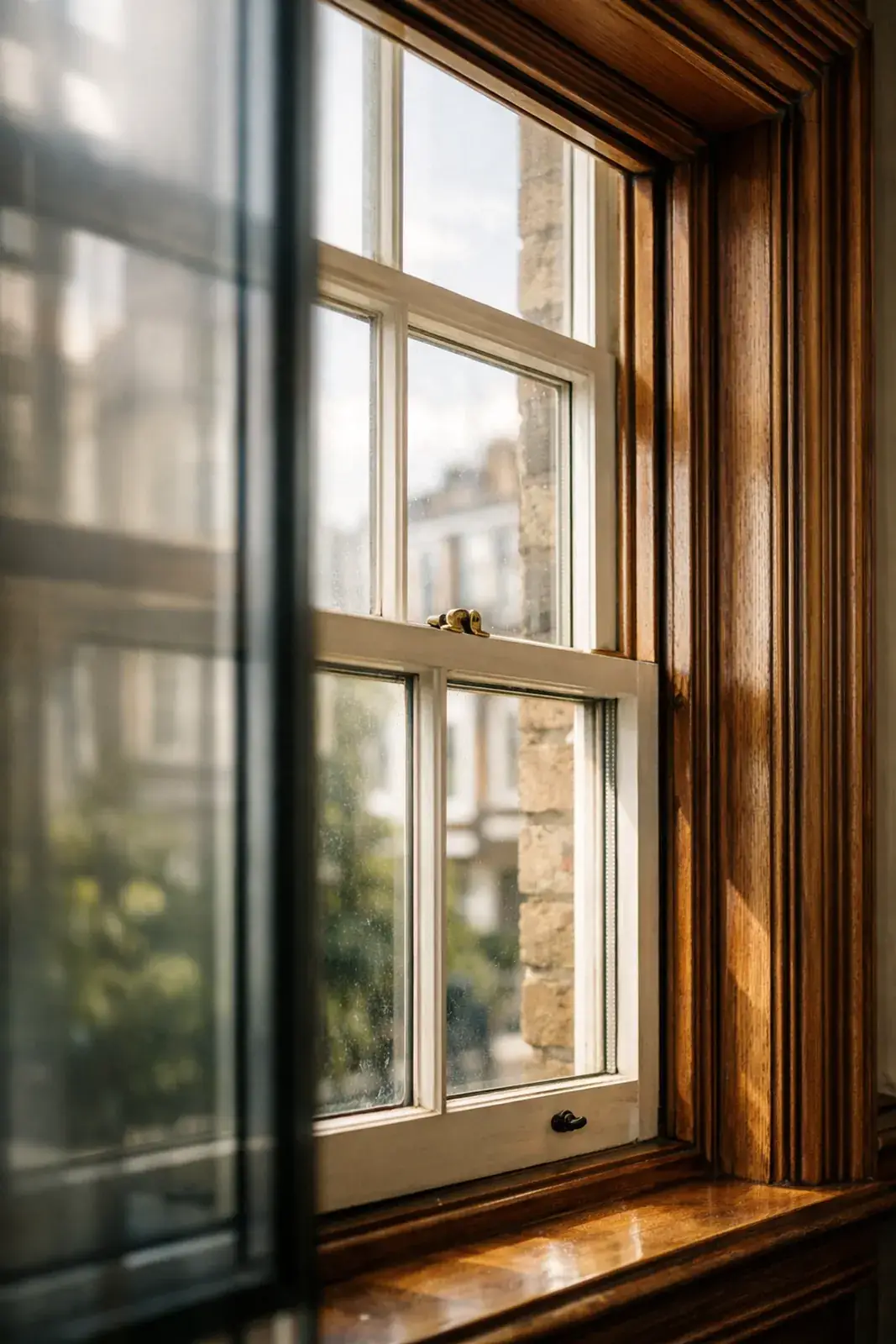
Why South Kensington's Museum District Demands Specialist Solutions
South Kensington stands as one of London's most prestigious cultural districts, home to world-renowned institutions like the V&A Museum, Natural History Museum, and Science Museum. The area's SW7 postcode encompasses some of the capital's most sought-after addresses, where Victorian mansion flats and elegant terraces house international families, diplomats, and cultural professionals.
The Challenge: Properties in this museum district face unique acoustic and thermal challenges that demand sophisticated solutions.
Cromwell Road (A4) Impact:
- Noise levels: 80–85dB (24-hour heavy traffic)
- Properties within 100m affected: 800+ homes
- Underground rumble from three tube lines (District, Circle, Piccadilly)
- International schools like Lycée Français nearby (family noise concerns)
Property Values at Stake:
- Average South Ken property: £1.5–5M
- Victorian mansion flats: £800K–2.5M
- Period townhouses: £3–8M
- Heritage preservation essential (90% in conservation areas)
The Solution: Soundproof secondary glazing in South Kensington offers the only viable method to achieve 80% noise reduction while preserving the architectural heritage that defines property values in this internationally significant district. Want to sanity-check likely results before booking a survey? Try our acoustic calculator.
Understanding South Kensington's Conservation Heritage
RBKC's Premium Conservation Areas
The Royal Borough of Kensington and Chelsea operates some of London's strictest planning controls, with South Kensington containing multiple overlapping conservation areas:
Major Conservation Areas:
- South Kensington Conservation Area (largest, covering museum district core)
- Thurloe Conservation Area (Thurloe Square, Thurloe Place)
- Cromwell Road Conservation Area (Victorian mansion blocks)
- Queen's Gate Conservation Area (Imperial College vicinity)
- Prince Consort Conservation Area (Royal Albert Hall surroundings)
Listed Building Density: South Kensington contains over 600 individually listed buildings, including:
- 45 Grade I listed (national significance)
- 180 Grade II* listed (exceptional interest)
- 400+ Grade II listed (special interest)
What This Means for Window Upgrades
RBKC Policy (2024): "Original windows contribute significantly to the character of conservation areas and listed buildings. Secondary glazing represents the preferred solution for thermal and acoustic improvements as it preserves historic fabric while delivering modern performance."
Planning Reality:
- ✅ Secondary glazing: NO planning permission needed (internal alteration)
- ✅ Listed Building Consent: Usually not required (reversible improvement)
- ❌ Double glazing: 95% rejection rate in conservation areas
- ❌ uPVC windows: Explicitly prohibited throughout SW7
Cromwell Road: London's Acoustic Challenge
The A4 Corridor Impact
Cromwell Road represents one of London's most challenging acoustic environments for residential properties. As a major arterial route connecting Heathrow to Central London, it generates exceptional noise levels that penetrate deep into South Kensington's residential streets.
Peak Traffic (7–9 AM, 5–7 PM):
- Measured levels: 82–88dB
- Vehicle composition: 40% buses, 30% cars, 20% commercial, 10% emergency
- Properties directly affected: 400+ addresses (both sides)
- Secondary noise impact: additional 600 properties within 200m
Night-Time Levels (11 PM – 6 AM):
- Measured levels: 70–75dB
- Issue: Airport traffic, night buses, emergency services
- Sleep disruption zone: Properties within 150m of road
Underground Amplification: The unique challenge in South Kensington stems from underground train vibration amplifying road noise:
- District Line runs directly beneath Cromwell Road
- Circle Line parallels the route
- Piccadilly Line serves South Kensington station
- Combined effect: Ground vibration + surface noise = enhanced disturbance
Property Types in South Kensington's Museum District
Victorian Mansion Flats (1870–1900)
Typical Locations: Gloucester Road (SW7 4–5 postcodes), Cromwell Road mansion blocks, Courtfield Road and Gardens, Harrington Road vicinity.
Characteristics:
- 8–12 large sash windows per flat
- High ceilings (3.5–4m)
- Single-glazed original windows (U-value 5.2–5.8)
- Leasehold properties (freeholder consent usually automatic)
- Often Grade II listed
Secondary Glazing Solution:
- Vertical sliding systems (matches sash operation)
- 6.8mm acoustic laminated glass (Cromwell Road proximity)
- Standard 4mm glass (quieter streets)
- Installation: 2–3 days
- Investment: £6,500–9,500 (8–10 windows)
- Annual heating savings: £350–500
Edwardian Townhouses (1901–1914)
Typical Locations: Thurloe Square and surrounding streets, Ennismore Gardens area, Queen's Gate vicinity, streets near Imperial College.
Characteristics:
- 10–14 windows (mix of sash and casement)
- Arts and Crafts architectural details
- Bay windows common (additional complexity)
- Property values: £3–6M
Secondary Glazing Solution:
- Mixed systems (sliding for sash, hinged for casement)
- Bay window specialist framing required
- Installation: 3–4 days
- Investment: £8,000–12,000
- Annual savings: £450–650
Modern Luxury Developments
Typical Locations: Converted mansion blocks, new-build developments, penthouse conversions, embassy and diplomatic residences.
Characteristics:
- Already double-glazed BUT often poor acoustic performance
- Large windows and floor-to-ceiling glazing
- International residents with high expectations
- Security requirements for diplomatic properties
Secondary Glazing Solution:
- ADDITIONAL to existing double glazing (exceptional performance)
- Security-rated glass options available
- Achieves 85–90% total noise reduction
- Investment: £8,000–15,000
Case Studies: Real South Kensington Transformations
Case Study 1: Victorian Mansion Flat, Gloucester Road
Property Profile:
- Location: Gloucester Road, SW7 4XX (opposite tube station)
- Era: 1885 Victorian mansion block
- Listed Status: Grade II (entire building)
- Windows: 9 large sash windows
- Residents: French family (children at Lycée Français)
- Property value: £1.6M
The Challenge:
- Gloucester Road traffic noise (75dB peak)
- Underground rumble (District, Circle, and Piccadilly lines)
- Children's bedrooms face main road
- Central heating bills: £1,800/year
Solution Implemented:
- Soundproof secondary glazing throughout all 9 windows
- Specification: 6.8mm acoustic laminated glass (chosen after running expected dB improvements through the acoustic calculator)
- Vertical sliding design (maintains sash authenticity)
- Colour-matched cream frames
- Installation: 2 days
- Investment: £7,200
Results Achieved:
- Noise reduction: 75dB → 48dB (77% reduction)
- Children now sleep through the night
- Heating bills: £1,800 → £1,450 (£350/year saving)
- U-value improvement: 5.4 → 2.6
- Payback period: 5.2 years
"As a French family, we value the ability to open our windows—but Gloucester Road made this impossible. The secondary glazing has been transformative. Our children can sleep peacefully, and we can enjoy fresh air without the constant traffic noise."
Case Study 2: Cromwell Road Victorian Terrace
Property Profile:
- Location: Cromwell Road, SW7 (directly facing A4)
- Era: 1875 Victorian end-of-terrace
- Listed Status: Grade II
- Windows: 12 windows (10 facing main road)
- Residents: International executive family
- Property value: £4.2M
The Challenge:
- Extreme noise exposure (85dB peak during rush hour)
- Vibration from underground trains + road traffic
- Historic single glazing (original 1875 windows)
- Home office requires quiet environment for video conferences
Solution Implemented:
- 10.8mm acoustic laminated glass (maximum performance, modelled using the acoustic calculator)
- Ultra-slim frames (28mm profile) to minimise visual impact
- Front-facing windows: highest spec acoustic glass
- Rear windows: standard 4mm glass (quieter garden side)
- Installation: 4 days
- Investment: £14,500
Results Achieved:
- Noise reduction: 85dB → 52dB (82% reduction)
- Home office now suitable for international video conferences
- Heating bills: £3,200 → £2,650 (£550/year saving)
- Underground vibration impact significantly reduced
"Living directly on Cromwell Road was becoming unbearable—the combination of traffic noise and underground vibration was affecting our family's quality of life. The secondary glazing has been a revelation."
Case Study 3: Museum District Square Property
Property Profile:
- Location: Thurloe Square, SW7 (garden square near V&A)
- Era: 1850s Victorian terraced house
- Listed Status: Grade II*
- Windows: 14 original sash windows
- Property value: £5.8M
The Challenge:
- Moderate traffic noise (68dB) but quality-of-life impact
- Tourist foot traffic (museum visitors)
- Grade II* = exceptional architectural interest
- RBKC extremely strict on external changes
Solution Implemented:
- 6.8mm acoustic glass (front), 4mm standard (rear)
- Ultra-slim frames (25mm) custom colour-matched
- Victorian sash-style sliding operation
- Installation: 3 days
- Investment: £12,800
- Pre-installation conservation officer consultation (positive)
Results Achieved:
- Noise reduction: 68dB → 44dB (74% reduction)
- Home study environment now suitable for research work
- Heating bills: £2,400 → £1,950 (£450/year saving)
- Heritage character fully preserved
"Working in the museum sector, I understand the importance of preserving heritage while adapting to contemporary needs. The secondary glazing solution perfectly embodies this philosophy."
Underground Noise: The Hidden Challenge
District, Circle and Piccadilly Line Impact
South Kensington's unique position as a major tube interchange creates underground noise challenges that standard soundproofing cannot address. The vibration from trains running beneath buildings transmits through the ground structure and amplifies surface noise.
Underground Noise Characteristics:
- District Line: Runs directly beneath Cromwell Road (deepest impact)
- Circle Line: Parallel route, similar vibration pattern
- Piccadilly Line: Serves South Kensington station (frequent services)
- Combined Effect: Ground vibration + air-borne noise = enhanced disturbance
How Secondary Glazing Addresses Underground Noise
Vibration Isolation: The air gap in secondary glazing systems (typically 100–150mm) creates a buffer that interrupts vibration transmission through window frames. While ground vibration continues, the acoustic impact is significantly reduced.
Frequency Response: Underground trains generate low-frequency rumble (20–200Hz) that penetrates standard glazing. Secondary glazing with acoustic laminated glass provides superior low-frequency attenuation.
Measured Results:
- Standard single glazing: 15–25% underground noise reduction
- Secondary glazing (6.8mm acoustic): 65–75% reduction
- Secondary glazing (10.8mm acoustic): 75–85% reduction
South Kensington's International Community Needs
French Lycée Families
The presence of the Lycée Français Charles de Gaulle creates a significant French community in South Kensington. French families often have specific expectations:
- Windows opened regularly (fresh air priority)
- Quiet study environments (academic excellence culture)
- Heritage appreciation (compatible with conservation values)
- Long-term residence perspective
Secondary Glazing Benefits for French Families:
- ✅ Can open windows without noise penalty (summer months)
- ✅ Maintains French preference for natural ventilation
- ✅ Creates quiet study spaces
- ✅ Preserves period property character
Diplomatic and Embassy Community
South Kensington hosts numerous embassies and diplomatic residences with unique requirements:
- Acoustic privacy (confidential conversations)
- Enhanced security options (impact-resistant glass)
- Discreet installations (no external indication)
- Reversible solutions (diplomatic property changes)
Museum District Property Investment Guide
Cost Analysis by Property Type
| Property Type | Value Range | Windows | Investment | Annual Savings | Noise Reduction |
|---|---|---|---|---|---|
| Victorian Townhouse | £4–8M | 12–16 | £12,000–18,000 | £500–750 | 85dB → 50dB |
| Mansion Flat | £1.2–2.5M | 8–10 | £6,500–9,000 | £350–500 | 75dB → 48dB |
| Edwardian Family Home | £2.5–5M | 10–12 | £8,000–11,000 | £400–600 | Mixed |
| Modern Luxury Flat | £1.5–4M | 6–9 | £7,500–12,000 | £300–450 | 85–90% total |
Premium Upgrade Options
Ultra-Slim Frames (Museum District Standard):
- Additional cost: +£150–200/window
- Profile: 25mm vs 35mm standard
- Recommended for all Grade II* properties
Maximum Acoustic Performance (10.8mm):
- Additional cost: +£120–160/window
- Benefit: 82–85% noise reduction (vs 75–80% standard)
- Recommended for Cromwell Road and Old Brompton Road frontages
Security Enhancement (Diplomatic Properties):
- P4A impact-resistant laminated glass
- Additional cost: +£200–280/window
- Available for embassy and diplomatic installations
RBKC Planning and Conservation Compliance
What You Need to Know
NO PERMISSION NEEDED:
- ✅ Secondary glazing (all property types, all conservation areas)
- ✅ Internal modifications (completely reversible)
- ✅ Colour-matching to existing frames
- ✅ Standard installation methods
PERMISSION REQUIRED:
- ❌ External window replacement
- ❌ Enlarging window openings
- ❌ External shutters or security grilles
- ❌ Changing window opening patterns
Listed Building Considerations
- Grade I Properties (45 in South Kensington): Technical consent not required BUT notify RBKC conservation team. Written confirmation available (2–3 weeks).
- Grade II Properties (180 in South Kensington):* Usually no consent required (internal, reversible work). Keep installation documentation.
- Grade II Properties (400+ in South Kensington): No Listed Building Consent required. Proceed with confidence (established precedent).
For detailed guidance on navigating conservation area rules, see our planning permission guide.
Getting Started in South Kensington
Step 1: Property Status Verification
- Listed building check: Historic England website
- Conservation area status: RBKC planning portal
- Leasehold restrictions (mansion flats)
Step 2: Free Survey and Assessment
What to Expect:
- Precise window measurements (all openings)
- Noise level assessment (if requested)
- Heritage compliance discussion
- Glass specification recommendations
- Installation timeline planning
- Itemised quotation (same day)
Step 3: Installation Planning
Optimal Installation Times:
- September–October: Before winter, good availability
- May–June: Comfortable weather, school term time
- Avoid: August (installer holidays), December (Christmas disruption)
Typical Timeline:
- Survey to quote: 48 hours
- Quote acceptance to manufacture: 4–5 weeks
- Installation: 2–4 days
- Total: 5–7 weeks
Frequently Asked Questions
Will secondary glazing work for underground train vibration? YES. The air gap in secondary glazing systems interrupts vibration transmission while providing excellent acoustic isolation. Properties near South Kensington tube station typically achieve 70–80% reduction in underground noise with proper acoustic glass specification.
Do I need Listed Building Consent for my Grade II Museum District property?* Usually NO. Secondary glazing is internal and reversible, so doesn't normally require consent. For Grade II* properties, we can obtain written confirmation from RBKC conservation team if required (2–3 week process).
Can my children still open windows for fresh air? ABSOLUTELY. Secondary glazing opens independently from original windows. During summer, you can open both sets for maximum ventilation, or keep secondary glazing closed while opening original windows for filtered fresh air with reduced noise.
How effective is it for Cromwell Road traffic noise (85dB)? Highly effective. With 10.8mm acoustic laminated glass, Cromwell Road properties achieve 82–85% noise reduction (85dB → 50–52dB). This transforms properties from "unbearably noisy" to "quiet suburban street" levels.
What about our leasehold mansion flat? Secondary glazing is almost always approved by freeholders because there's no external change. Submit application to management company—approval typically takes 2–4 weeks and is rarely refused.
Conclusion: Museum District Excellence
Living in South Kensington's Museum District represents the pinnacle of London cultural life. Secondary glazing offers the perfect balance for Museum District properties:
- ✅ Heritage Preservation — Protects £1.5–5M+ property values by maintaining original windows
- ✅ Noise Reduction — Transforms Cromwell Road from 85dB to peaceful 50dB (82% reduction)
- ✅ International Standards — Meets expectations of French Lycée families and diplomatic community
- ✅ Conservation Compliance — RBKC approved, no planning permission required
- ✅ Energy Efficiency — £350–750/year savings on heating bills
- ✅ Quick Installation — 2–4 days, minimal disruption to family life
Whether you're raising children near the French Lycée, hosting diplomatic functions, or simply want to enjoy the tranquility your Museum District property deserves, secondary glazing delivers professional results that respect both heritage and contemporary lifestyle needs.
Ready to Transform Your Museum District Home?
Get in touch today for a free expert consultation—whether you need heritage conservation compliance, maximum Cromwell Road noise reduction, or a professional installation for your international family home. Use our acoustic calculator to estimate your noise reduction before booking.
Sources & References
Citations could not be generated at this time.
People Also Ask
Related questions could not be generated at this time.
Frequently Asked Questions
FAQs could not be generated at this time.