Secondary Glazing in Belgravia & Pimlico: Premium Solutions for SW1's Heritage Properties
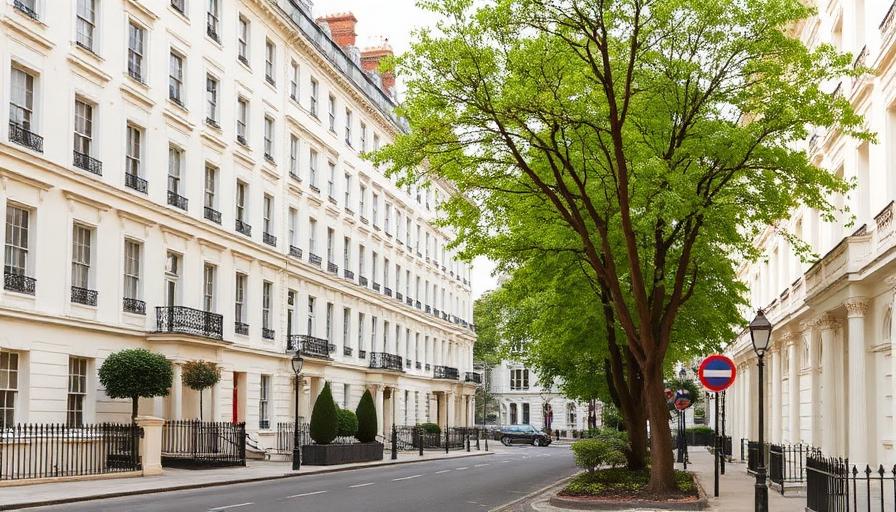
In the heart of Prime Central London, the prestigious postcodes of Belgravia and Pimlico represent two distinct yet complementary facets of SW1's residential landscape. From the grand Regency terraces surrounding Belgrave Square to the transitional Victorian conversions near Tate Britain, these areas demand solutions that respect their extraordinary architectural heritage while addressing the modern challenges of urban living. For ultra-high-net-worth residents, international diplomats, and discerning investors managing properties worth £5-30 million in Belgravia and £600,000-2 million in Pimlico, secondary glazing emerges as the definitive solution for enhanced comfort, security, and conservation compliance.
The Unique Character of SW1's Premier Districts
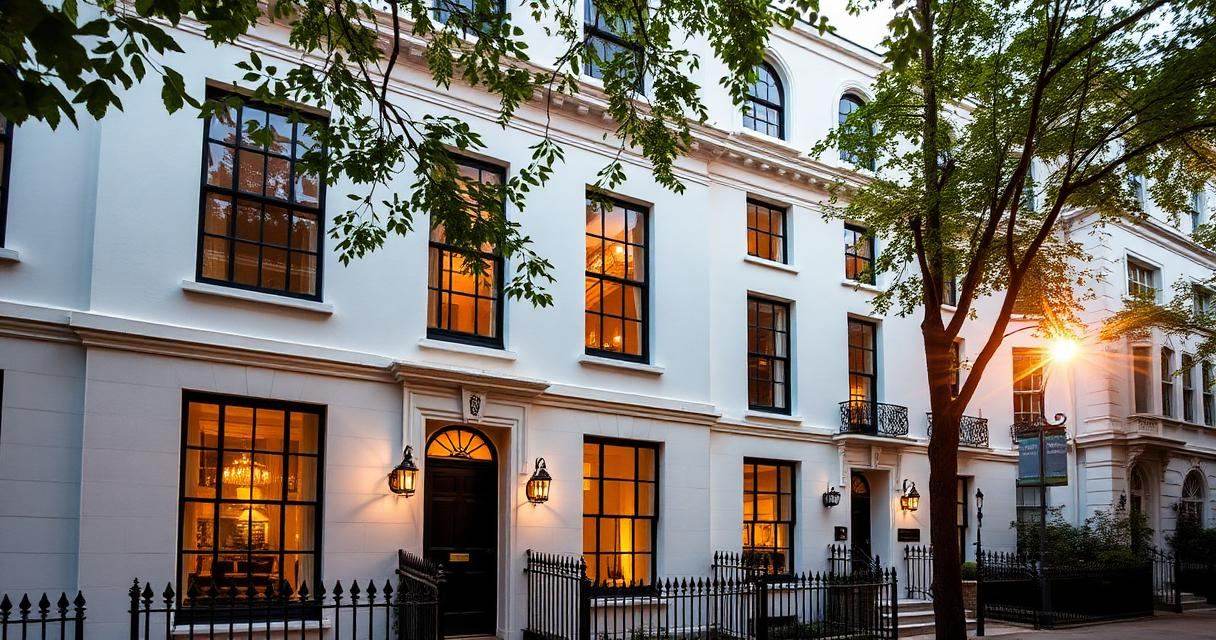
Belgravia stands as London's most exclusive residential district, where the Grosvenor Estate's influence has shaped nearly two centuries of architectural excellence. The area's characteristic white stucco terraces, designed by George Basevi and Thomas Cundy II in the 1820s, create an unparalleled urban landscape that houses embassies, international residences, and some of London's most significant private collections. The secondary glazing solutions available in Belgravia must navigate not only the aesthetic requirements of these Georgian and early Victorian masterpieces but also the stringent security needs of diplomatic properties and the exacting standards of the Grosvenor Estate management.
Pimlico, while sharing SW1's postcode prestige, offers a different proposition entirely. The area's Victorian grid streets, anchored by the imposing Millbank and its proximity to Tate Britain, present a fascinating mix of converted period properties and purpose-built mansion blocks. The conservation challenges in Pimlico are equally complex, with Westminster Council's conservation policies ensuring that any modifications maintain the district's distinctive character while accommodating the needs of contemporary residents who expect the highest standards of comfort and functionality.
Navigating the Regulatory Landscape: Westminster's Conservation Supremacy
Westminster City Council exercises absolute authority over building modifications in SW1, with conservation policies that rank among the strictest in Europe. The Council's conservation area guidelines recognize that Belgravia and Pimlico's architectural significance extends far beyond individual buildings to encompass entire streetscapes and garden squares that form coherent historic environments.
For properties within the Grosvenor Estate's management, additional layers of approval create what many consider the most stringent property modification process in London. The Estate's architectural department maintains detailed records of every building's original specifications, and any proposed changes must demonstrate not only compliance with Westminster's conservation requirements but also adherence to the Estate's own architectural standards, which often exceed statutory requirements.
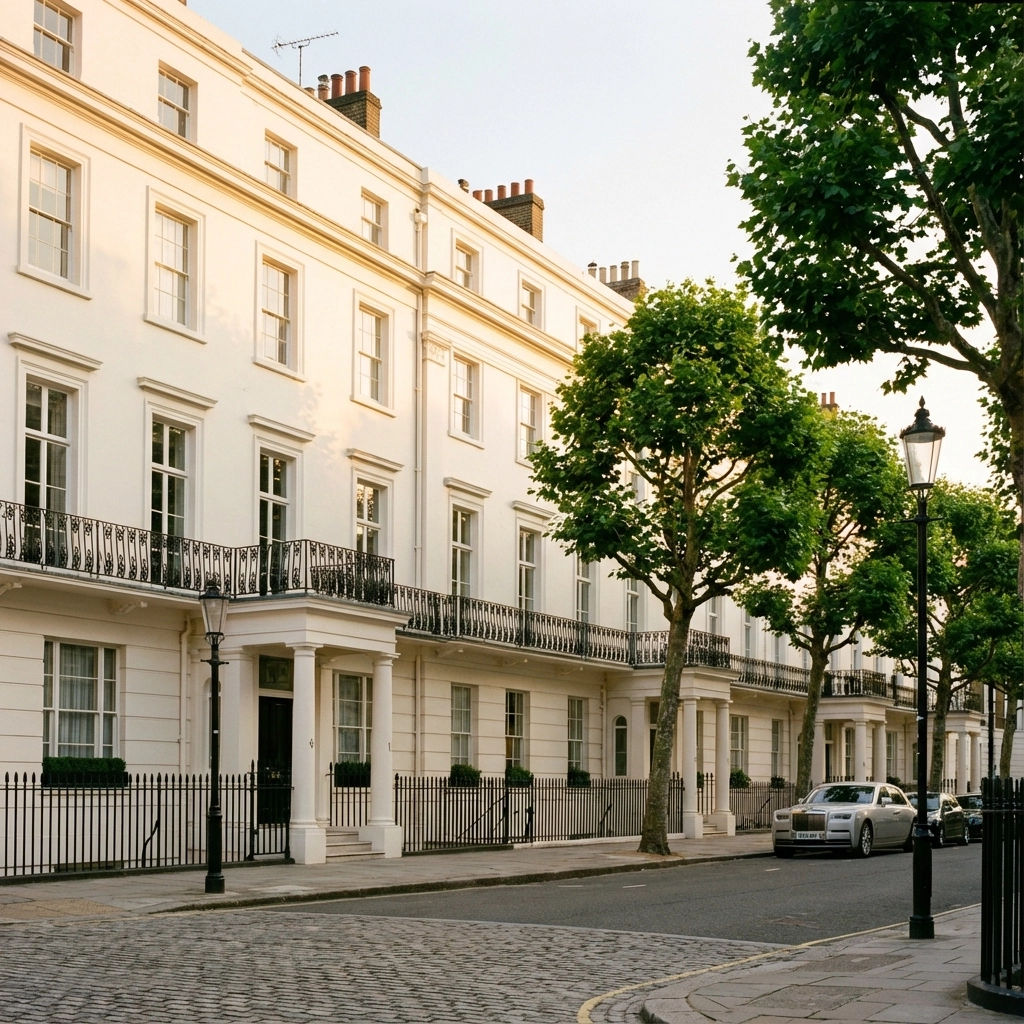
The approval process typically involves multiple stages: initial consultation with Westminster's conservation officers, detailed proposals reviewed by the Estate's architectural team, and often consultation with Historic England for the most significant properties. This process, while thorough, ensures that secondary glazing installations in Belgravia maintain the visual integrity that makes these streets among the most photographed and admired in the world.
Urban Noise Challenges: The Reality of Central London Living
Despite their prestige, both Belgravia and Pimlico face significant acoustic challenges that secondary glazing is uniquely positioned to address. The proximity to major transport hubs creates constant noise pressure that can significantly impact residential comfort and property values.
🔴 Westminster Enforcement Update 2025
Westminster City Council has reported over 20,000 noise complaints in 2024-2025. Under the Fairer Westminster strategy, they are now issuing £100 on-the-spot fines for anti-social driving and loud engine revving. A new CCTV network and street intervention teams are specifically targeting SW1 hotspots. For residents awaiting enforcement results, properly specified secondary glazing remains the most reliable immediate defence against persistent urban noise.
Vauxhall Bridge Road, running through the heart of the area, generates consistent noise levels of 75-82dB during peak hours, equivalent to heavy traffic or industrial noise. This major arterial route, connecting Victoria Station to Vauxhall Bridge, carries not only regular traffic but also diplomatic convoys, emergency vehicles accessing the nearby hospitals, and the constant flow of taxis and private hire vehicles serving the area's hotels and residences.
Victoria Street presents another significant noise source, with its combination of heavy bus routes, commercial traffic, and the acoustic impact of nearby Victoria Station. The station's influence extends well beyond its immediate vicinity, with the rumble of Underground trains, the announcement systems, and the general bustle of one of London's busiest transport interchanges creating a constant acoustic backdrop.
Grosvenor Place, despite its grand residential character, faces particular challenges from the traffic flows around Hyde Park Corner and the frequent use of emergency service routes. The area's role as a diplomatic district means that security cordons and motorcades create irregular but significant noise spikes that can be particularly disruptive to residential tranquility.
The traffic noise reduction solutions available through secondary glazing become essential for maintaining the quality of life that residents of these premium addresses expect and deserve.
Secondary Glazing: The Sophisticated Solution for Heritage Properties
Secondary glazing represents the optimal balance between conservation requirements and contemporary performance standards. Unlike replacement windows, which alter the fundamental character of historic buildings, secondary glazing preserves every detail of original Georgian and Victorian fenestration while delivering substantial improvements in thermal and acoustic performance.
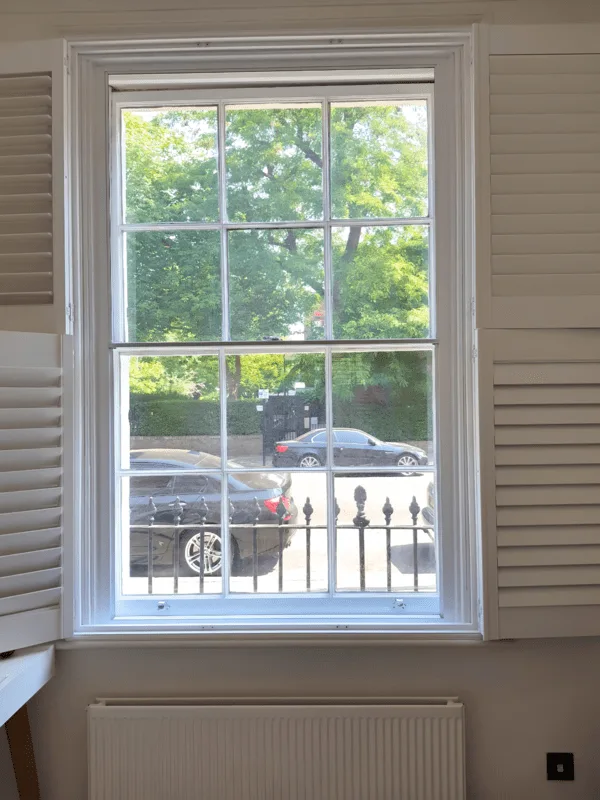
The technology involves installing slim, discreet glazed panels on the room side of existing windows, creating an insulating air gap that dramatically improves both thermal efficiency and noise reduction. For Georgian windows requiring secondary glazing, the solution maintains the authentic appearance of period glazing bars and hardware while incorporating modern performance glazing that can include security features, solar control, and advanced acoustic specifications.
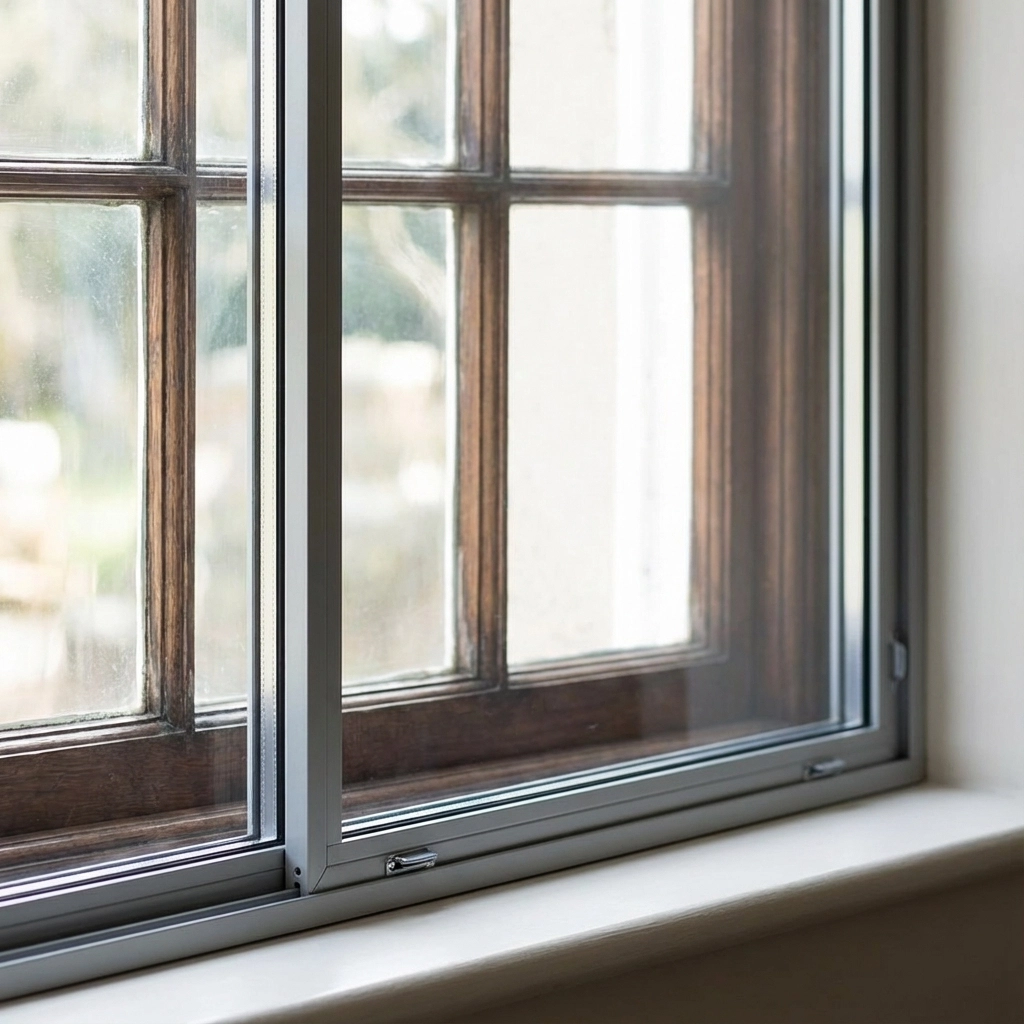
The sophistication of contemporary secondary glazing extends to barely perceptible frame profiles, precision-engineered opening mechanisms, and glazing specifications that can be tailored to address specific challenges such as aircraft noise, traffic pollution, or security requirements. For properties in Belgravia's embassy district, secondary glazing can incorporate blast-resistant glazing and advanced security features while maintaining full conservation compliance.
Case Study 1: Regency Grandeur on Belgrave Square
A magnificent Grade II listed terrace house on Belgrave Square presented the ultimate challenge in balancing conservation requirements with contemporary living standards. Built in 1827 as part of George Basevi's masterplan for the Grosvenor Estate, the property featured original multi-pane sash windows with glazing bars, ornate stucco surrounds, and cast iron balconettes that required absolute preservation.
The international owner, maintaining residences in several global capitals, required noise reduction that would allow the property to serve as both a private residence and a venue for diplomatic entertainment. The proximity to major traffic routes and the general urban noise of Central London created acoustic conditions that were incompatible with the property's intended use.
Working closely with Westminster Council's conservation team and the Grosvenor Estate's architectural department, secondary glazing specialists developed a solution using ultra-slim aluminum frames powder-coated to match the original window hardware. The secondary glazing incorporated 6.8mm laminated acoustic glass with a 200mm air cavity, delivering noise reduction of up to 45dB while remaining virtually invisible from both interior and exterior perspectives.
The installation required custom manufacturing for each window opening, with particular attention to the ground floor windows where the glazing had to accommodate the building's original working shutters. The result achieved acoustic performance that transformed the property's usability while maintaining every detail of its architectural significance.
Case Study 2: Victorian Conversion Near Tate Britain
A converted Victorian mansion block near Tate Britain in Pimlico presented different challenges, combining the conservation requirements of a locally listed building with the practical needs of modern apartment living. The building's conversion into luxury apartments had preserved the original façade and window openings while creating generous interior spaces that required sophisticated climate control and noise management.
The proximity to the Thames and the constant traffic on Millbank created noise levels that were particularly problematic for residents working from home or requiring peaceful environments for art collection storage and display. The building's exposure to both traffic noise and river-reflected sound created complex acoustic conditions that required specialized attention.
The secondary glazing solution for this Pimlico property incorporated varying glass specifications depending on orientation and exposure. South-facing windows received solar control glazing to manage heat gain and glare, while river-facing windows incorporated maximum acoustic performance glazing to address both traffic noise and wind-driven sound from the Thames.
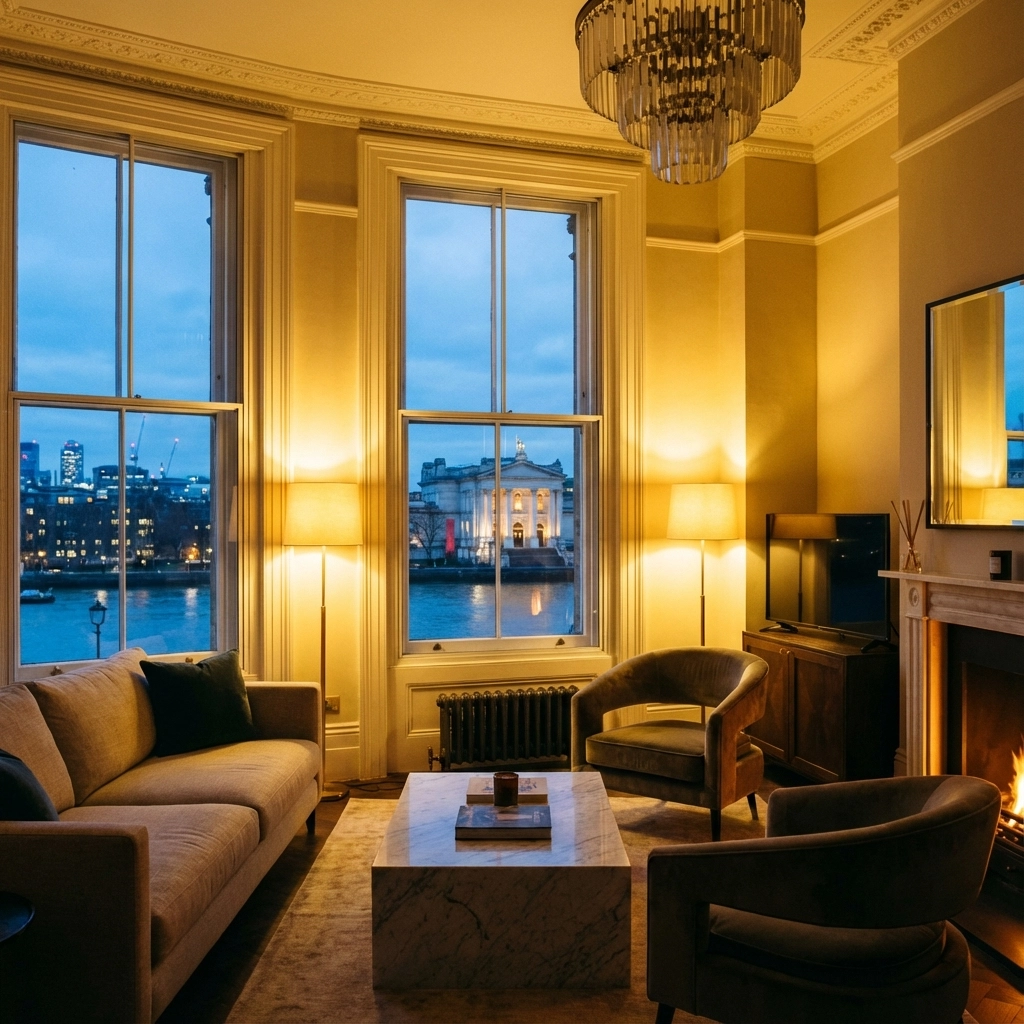
The installation preserved the building's distinctive Victorian character while delivering substantial improvements in energy efficiency and acoustic comfort. The success of this project led to secondary glazing installation throughout the building, with each apartment benefiting from customized solutions addressing their specific exposure and requirements.
Case Study 3: Embassy District Security and Comfort
An elegant townhouse in the heart of Belgravia's embassy district required secondary glazing that addressed both acoustic comfort and enhanced security considerations. The property's location, within sight of several diplomatic missions, created unique challenges in terms of both noise management and security requirements that extended beyond typical residential considerations.
The constant presence of security personnel, regular motorcades, and occasional protests created an acoustic environment that varied dramatically throughout the day. Additionally, the property's visibility from several embassy buildings meant that any modifications had to maintain the highest levels of discretion and aesthetic sensitivity.
The secondary glazing solution incorporated laminated security glazing meeting level 1 blast resistance standards while providing acoustic performance that reduced noise transmission by up to 48dB. The frames were finished in a custom color match to the original window hardware, ensuring that the installation remained virtually invisible while delivering substantial performance improvements.
Special attention was paid to the installation process, with work scheduled to avoid disruption to nearby diplomatic activities and security protocols. The result provided the residents with a peaceful private environment while maintaining full compliance with both conservation requirements and the enhanced security expectations of the embassy district.
Grosvenor Estate Approval: Navigating Excellence
The Grosvenor Estate's approach to building modifications reflects nearly two centuries of architectural stewardship that has maintained Belgravia's position as London's premier residential district. The Estate's architectural team maintains detailed archives of original building specifications, design intent, and historical modifications that inform their approach to contemporary proposals.
For secondary glazing installations on Grosvenor Estate properties, the approval process begins with detailed consultation addressing both technical performance and visual impact. The Estate's architects review proposals against original drawings, historical precedents, and the broader streetscape context to ensure that any modifications contribute positively to the area's architectural coherence.
The process typically requires detailed drawings showing the proposed secondary glazing in relation to existing windows, specifications for all materials and finishes, and often sample installations for review. The Estate's commitment to excellence means that proposals must demonstrate not only conservation compliance but also technical sophistication that reflects the quality standards expected throughout the district.
This rigorous approach ensures that secondary glazing solutions in Belgravia maintain the visual harmony that makes these streets among London's most admired residential addresses while delivering performance improvements that support contemporary living standards.
Technical Performance: Specifications for Excellence
The secondary glazing specifications required for SW1's premium properties reflect the sophisticated performance expectations of international residents and the technical challenges of urban acoustic management. Acoustic performance typically targets noise reduction of 40-50dB, achieved through carefully specified glazing combinations and optimized air cavity dimensions.
For traffic noise management, 6.8mm laminated acoustic glazing provides optimal performance for most applications, with the laminated construction delivering both acoustic benefits and enhanced security. Where maximum acoustic performance is required, asymmetric double glazing within the secondary glazing unit can achieve even greater noise reduction while maintaining slim profiles appropriate for heritage applications.
Thermal performance specifications typically target U-values of 1.2-1.4 W/m²K for the combined primary and secondary glazing system, representing substantial improvements over single glazing while maintaining heritage authenticity. Low-E coatings can be incorporated where thermal performance is a priority, with advanced coatings available that provide thermal benefits without affecting the visual appearance of the glazing.
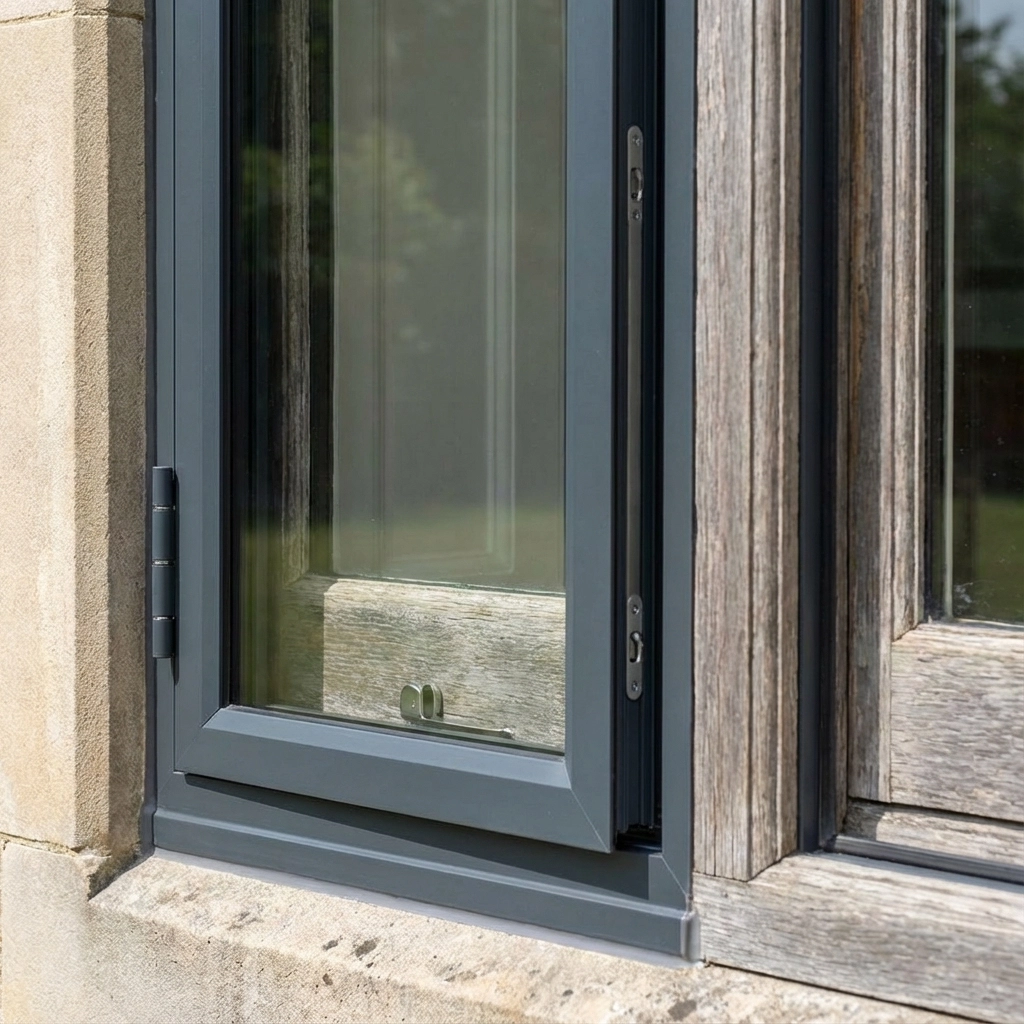
Security specifications vary depending on property requirements and location, with options ranging from laminated glazing for basic security enhancement to certified blast-resistant glazing for properties requiring enhanced protection. All security glazing options maintain full conservation compliance while providing performance levels appropriate for Central London's premium residential districts.
The Approval Process: Professional Navigation
Successfully obtaining approval for secondary glazing in SW1 requires professional navigation of multiple regulatory layers, from Westminster Council's conservation policies to Grosvenor Estate architectural standards and potential Historic England consultation. The process demands detailed understanding of conservation principles, technical expertise in heritage building modification, and sophisticated project management to coordinate multiple approval stages.
Initial consultation typically begins with Westminster Council's conservation officers, who provide guidance on the Council's expectations and requirements for the specific property and location. For Grosvenor Estate properties, parallel consultation with the Estate's architectural team ensures that proposals align with both statutory requirements and the Estate's enhanced standards.
The heritage assessment process involves detailed analysis of the building's architectural significance, assessment of existing window conditions, and development of proposals that respect historic character while delivering required performance improvements. Professional heritage assessments ensure that proposals demonstrate clear understanding of conservation principles and commitment to maintaining architectural authenticity.
Documentation requirements typically include detailed technical drawings, material specifications, visual impact assessments, and often computer-generated visualizations showing the proposed installation from multiple perspectives. The thoroughness of documentation reflects the significance of these buildings and the importance of maintaining their architectural integrity.
Investment Considerations: Property Value and Performance
For ultra-high-net-worth property owners and international investors, secondary glazing represents a sophisticated approach to property enhancement that delivers both immediate comfort improvements and long-term value protection. The conservation compliance inherent in secondary glazing ensures that improvements contribute positively to property values while avoiding the risks associated with inappropriate modifications.
In Belgravia's £5-30 million property market, the ability to enhance comfort and functionality while maintaining absolute heritage authenticity is essential for protecting investment values. International buyers increasingly expect contemporary performance standards, and secondary glazing provides these benefits without compromising the architectural integrity that underpins these properties' market position.
For Pimlico properties in the £600,000-2 million range, secondary glazing often represents the optimal approach to improving energy efficiency and acoustic comfort within conservation constraints. The ability to achieve substantial performance improvements without planning permission requirements makes secondary glazing particularly attractive for properties where major alterations would be problematic or impossible.
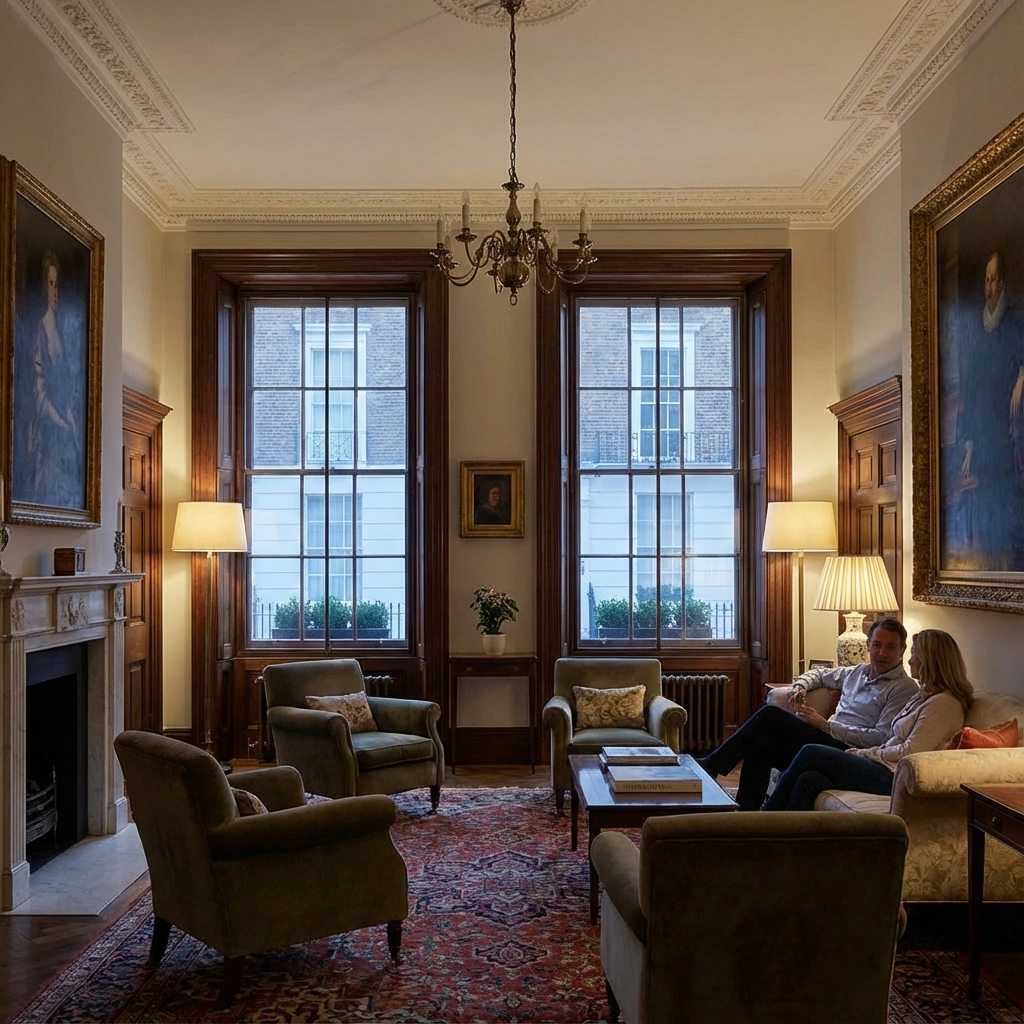
The urban noise pollution solutions provided by secondary glazing address one of Central London's most significant residential challenges, with noise reduction capabilities that can transform property usability and resident satisfaction. For properties used as pied-à-terre residences or rental investments, the acoustic improvements provided by secondary glazing can significantly enhance marketability and rental values.
Specialist Installation: Craftsmanship for Heritage Properties
The installation of secondary glazing in SW1's heritage properties requires specialized expertise that combines traditional building knowledge with contemporary glazing technology. Working with Grade II listed buildings and properties within the Grosvenor Estate demands understanding of historic building construction, conservation principles, and the precision required for high-end residential installations.
Professional installers must understand the complexities of Georgian and Victorian building construction, including potential challenges such as building movement, moisture management, and integration with existing building services. The quality of installation directly affects both performance and aesthetics, making specialist expertise essential for achieving results that meet the expectations of these prestigious addresses.
For secondary glazing installations in conservation areas, particular attention is required to ensure that all work respects the building's historic fabric while delivering contemporary performance standards. This includes careful integration with existing window hardware, preservation of historic glazing bars and moldings, and installation techniques that avoid damage to original materials.
The scheduling of installation work must accommodate the requirements of occupied properties, with particular sensitivity to the privacy and security requirements of international residents and diplomatic properties. Professional project management ensures that work proceeds efficiently while maintaining the discretion and quality standards appropriate for these exclusive addresses.
Future-Proofing Heritage: Sustainable Solutions
As London moves toward increasingly stringent environmental standards, secondary glazing provides a sustainable approach to building performance improvement that aligns with both conservation requirements and environmental objectives. The ability to achieve substantial energy efficiency improvements without replacing historic windows supports both heritage preservation and environmental sustainability.
The longevity of secondary glazing systems, typically 25-30 years with minimal maintenance, provides excellent value for money while avoiding the environmental impact of window replacement. For properties with original Georgian or Victorian glazing, secondary glazing preserves irreplaceable historic fabric while delivering performance improvements that support contemporary living standards.
Climate change considerations, including increased frequency of extreme weather events and urban heat island effects, make the thermal performance improvements provided by secondary glazing increasingly valuable. The ability to improve building resilience while maintaining heritage authenticity ensures that these improvements contribute to long-term property sustainability.
Professional Consultation: Expertise for Excellence
Achieving optimal results with secondary glazing in SW1's premium properties requires professional consultation that addresses the unique challenges of heritage buildings, conservation requirements, and sophisticated performance expectations. Specialist consultation services provide detailed assessment of existing conditions, development of appropriate technical solutions, and professional guidance through the approval process.
For properties considering secondary glazing, professional assessment typically includes acoustic testing to establish existing noise levels, thermal performance evaluation to identify improvement opportunities, and detailed architectural analysis to ensure that proposed solutions respect the building's historic character. This comprehensive approach ensures that secondary glazing installations deliver optimal performance while maintaining full conservation compliance.
The complexity of SW1's regulatory environment makes professional expertise essential for successful project delivery. Understanding the interaction between Westminster Council's conservation policies, Grosvenor Estate requirements, and Historic England guidelines requires specialized knowledge that ensures projects proceed smoothly and achieve desired outcomes.
For international property owners and investors seeking to enhance their SW1 properties, professional consultation services provide access to the specialized expertise required for successful heritage property modification. This professional support ensures that improvements enhance both property value and occupant comfort while maintaining the architectural integrity that makes these addresses among London's most prestigious.
Secondary glazing in Belgravia and Pimlico represents the sophisticated intersection of heritage preservation and contemporary performance, delivering solutions that respect the extraordinary architectural legacy of SW1 while addressing the practical requirements of modern urban living. For discerning property owners and international investors, secondary glazing provides the optimal approach to enhancing these prime Central London properties while preserving their timeless appeal and market-leading values.
Through careful specification, professional installation, and expert navigation of conservation requirements, secondary glazing transforms the living experience in London's most prestigious postcodes while maintaining absolute respect for their architectural heritage. In the continuing evolution of these historic districts, secondary glazing ensures that the future remains as distinguished as the past, providing enhanced comfort and functionality while preserving the character that makes Belgravia and Pimlico eternally desirable addresses.
People Also Ask
Related questions could not be generated at this time.
Frequently Asked Questions
FAQs could not be generated at this time.
Related Articles
Plan Your Belgravia & Pimlico Project
Cost Calculators & Planning Tools
Before booking a survey, model the noise reduction, price up your project, and check heritage compliance using our specialist tools — built specifically for London properties like those in Westminster.
Secondary Glazing Cost
Per-window pricing for Belgravia & Pimlico from £580. Whole-house estimates included.
Interactive Cost Estimator
Get an instant tailored quote based on window count, glass spec and postcode.
Heritage Sash Calculator
Listed-building cost & compliance estimator — ideal for Westminster conservation areas.
Secondary vs Double Glazing
Side-by-side STC ratings, cost and heritage suitability comparison.
Free Acoustic Calculator
Model the exact decibel reduction for your specific noise problem.
Secondary Glazing London
The complete London-wide hub: every glass spec, borough and listed-building rule.
Next Step
Book a Free Noise Survey
Get a tailored acoustic report and fixed quote for your property. No obligation, surveys across London within 5 working days.