Secondary Glazing in Clapham & Battersea: Heritage Solutions for Urban Living
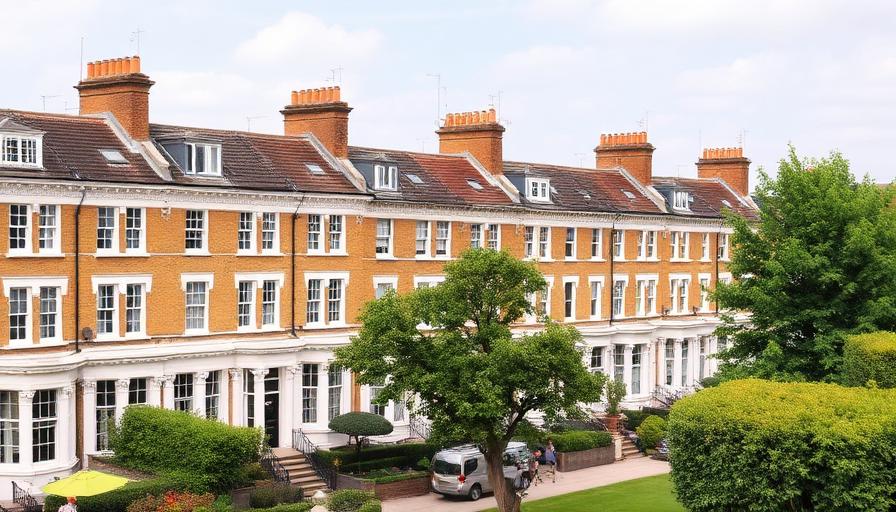
Living in Clapham and Battersea puts you at the heart of South London's most dynamic neighbourhoods. From the bustling energy around Clapham Common to the riverside regeneration transforming Battersea, SW4 and SW11 offer that perfect blend of urban excitement and residential charm that attracts young professionals and growing families alike. But with great location comes great responsibility – particularly when you're dealing with heritage properties that need modern solutions without losing their Victorian soul.
If you've recently invested in one of those gorgeous period conversions near Clapham Old Town or snapped up a riverside flat in the new Battersea development zone, you're probably discovering that heritage charm and modern comfort don't always play nicely together. The single-glazed sash windows that give your property its character also let in every sound from the Northern Line rumble to late-night revellers heading home from Clapham's legendary nightlife scene.
The Urban Challenge: Balancing Heritage and Lifestyle
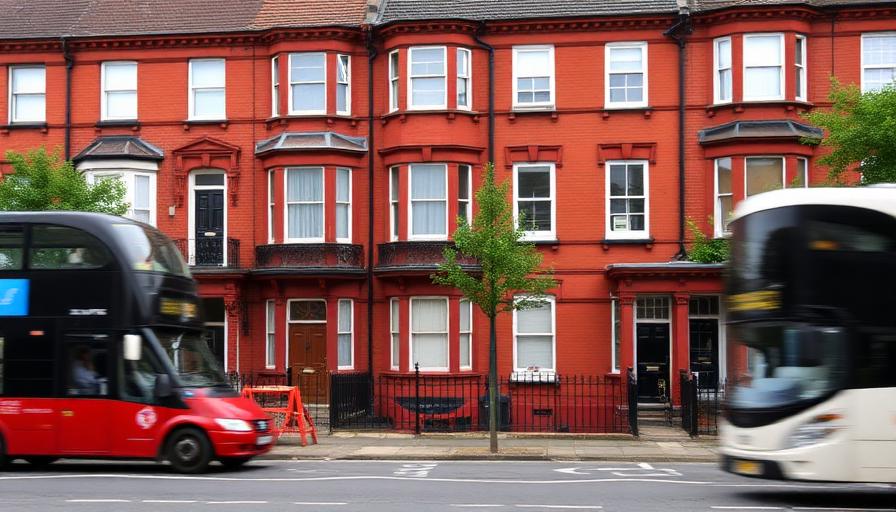
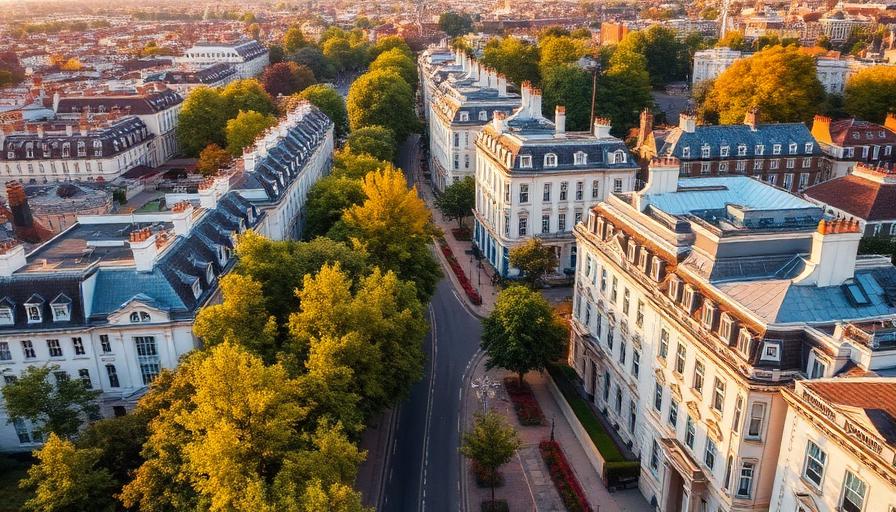
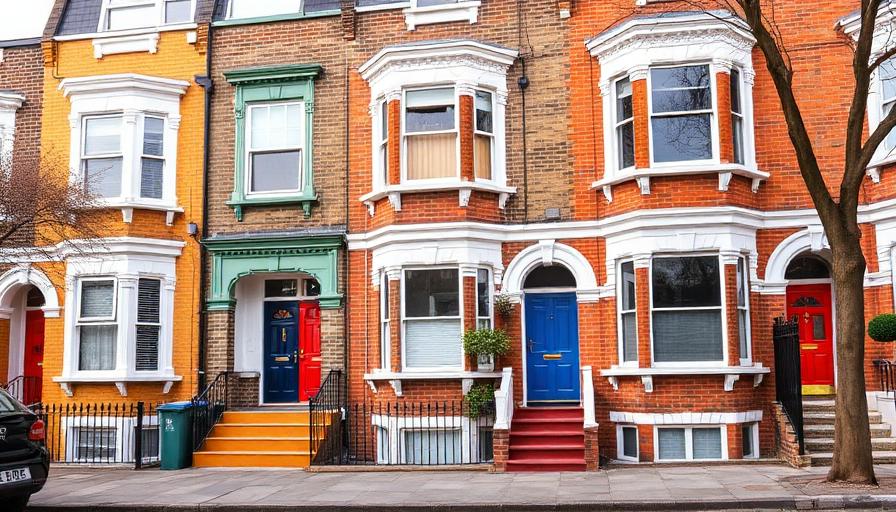
Clapham and Battersea represent everything brilliant about London's gentrification success stories. You've got tree-lined streets filled with beautifully restored Victorian terraces, converted mansion blocks that blend period features with contemporary living, and an infrastructure that gets you to Canary Wharf or the City in under 30 minutes. The property values reflect this desirability – we're talking £800k for a decent one-bed conversion, scaling up to £2.5M for those enviable family houses near the Common.
But here's the reality check: those beautiful period windows that estate agents love to highlight in property descriptions weren't designed for modern urban living. They certainly weren't built to handle the 75-82dB traffic noise that pounds down Clapham High Street during rush hour, or the persistent rumble of Northern Line trains that can literally vibrate through your floorboards.
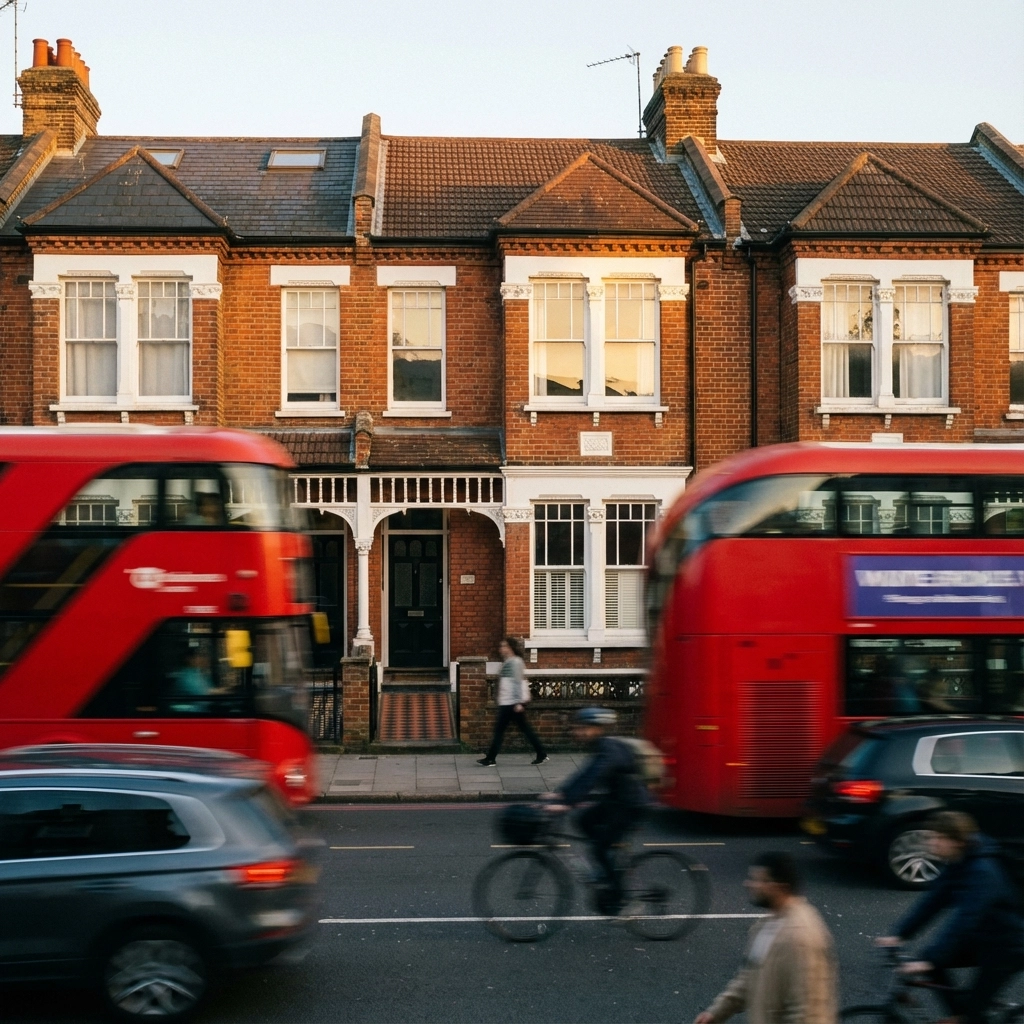
For young professionals who've stretched their finances to get onto this property ladder, the idea of ripping out original features for double glazing isn't just financially daunting – it's often legally impossible in conservation areas. That's where secondary glazing emerges as the smart solution, offering a way to keep your heritage cake and eat it too.
Understanding the Conservation Landscape
Both Wandsworth Council (covering Battersea) and Lambeth Council (covering Clapham) have strict conservation area policies that protect the architectural character of these neighbourhoods. The Historic England guidelines for these areas emphasize maintaining the visual integrity of period properties, which means your beautiful Victorian sash windows need to stay exactly where they are.
The conservation areas secondary glazing specialists understand these restrictions intimately. They work within the planning framework to deliver solutions that satisfy both conservation officers and homeowners who just want to sleep through the night without hearing every passing night bus.
Noise Mapping the Challenge: Where Secondary Glazing Makes the Biggest Difference
Clapham High Street Corridor
The stretch from Clapham North to Clapham Common stations represents one of South London's busiest traffic arteries. During peak hours, noise levels regularly hit 75-82dB – that's lawn mower territory. If you're living in one of the period conversions along this route, particularly the Victorian terraces between Bedford Road and The Pavement, traffic noise is your biggest enemy.
The Clapham secondary glazing specialists report that properties on the High Street side of these conversions typically see noise reduction of 35-45dB with quality secondary glazing installation. That transforms the constant traffic drone into background hum you can actually live with.
Battersea Park Road and the A3036 Challenge
Battersea residents deal with a different but equally challenging noise profile. The A3036 (Battersea Park Road/Queenstown Road) carries constant traffic flow between central London and the south, while the nearby railway lines add their own acoustic assault. The Battersea area noise reduction experts regularly work with properties experiencing combined road and rail noise that can peak at 85dB during rush hours.
Northern Line: The Underground Rumble
Here's something the estate agents don't mention in their glossy brochures: Northern Line trains running between Clapham North and Stockwell create low-frequency vibrations that travel through the ground and into building foundations. This isn't just noise – it's structural vibration that traditional acoustic solutions can't address.
Secondary glazing with specialist vibration-dampening frames provides the mass and air gap needed to break these transmission paths. Properties within 200 metres of the Northern Line tracks benefit significantly from railway noise solutions that address both airborne and structure-borne sound transmission.
Case Study #1: Victorian Conversion, Clapham Old Town
Sarah and James bought a two-bedroom flat in a converted Victorian mansion on Macaulay Road in early 2024. The £1.2M purchase gave them gorgeous period features – 12-foot ceilings, original cornicing, and those Instagram-worthy sash windows. It also gave them a sleep schedule dictated by Clapham's nightlife.
"We knew the area was lively," Sarah explains, "but we didn't realize that 'lively' meant hearing every conversation from people walking home from Infernos at 2 AM. The windows are beautiful, but they might as well be paper when it comes to sound insulation."
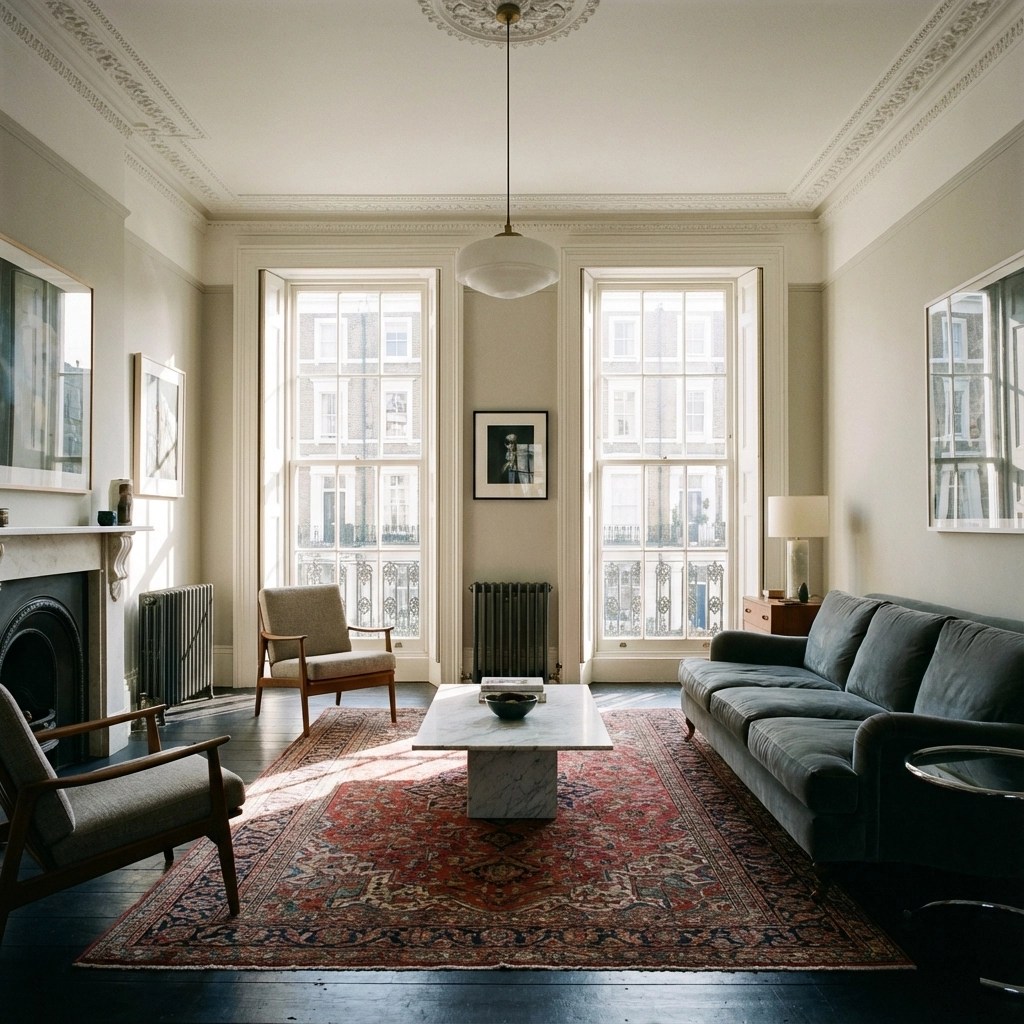
The conservation area restrictions meant replacement windows weren't an option. Working with Victorian window secondary glazing specialists, they installed bespoke secondary glazing that maintained the original window proportions while adding a 20mm air gap and specialized acoustic glass.
The transformation was immediate. "We went from being woken up every weekend by street noise to actually sleeping through until morning," James reports. "The windows still look exactly the same from outside – you'd never know there's secondary glazing unless you knew to look for it."
The acoustic testing showed a 42dB reduction in external noise transmission, bringing late-night street sounds down from disruptive to barely noticeable. The thermal improvement was an unexpected bonus – their winter heating bills dropped by approximately 35%.
Case Study #2: Riverside Living, Battersea
When Marcus invested £900k in a ground-floor flat in one of Battersea's new riverside developments in 2023, he thought he'd found the perfect balance between modern amenities and period charm. The converted warehouse retained its industrial character while offering contemporary living space and Thames views.
The reality proved more complex. "The river location is stunning, but it comes with constant traffic noise from both Battersea Bridge Road and the Wandsworth Bridge Road," Marcus explains. "Plus, the single-glazed windows in the original building let in every sound from the surrounding construction sites."
The Battersea secondary glazing experts faced an interesting challenge: how to add acoustic protection without compromising the property's industrial aesthetic. The solution involved secondary glazing with black powder-coated frames that complemented the existing window frames while providing substantial noise reduction.
"The difference is remarkable," Marcus says. "I can actually work from home now without being distracted by constant traffic noise. The river views are still perfect, but now I can enjoy them in peace."
The installation included specialized corner sealing and magnetic closure systems that reduced external noise by 38dB while maintaining easy access for window cleaning and ventilation.
Case Study #3: Family Living Near Clapham Common
The Henderson family's story represents a common Clapham challenge: balancing family life with urban energy. Their £1.8M Victorian house on Rectory Grove provides the space and character they wanted, plus convenient access to Clapham Common for their two young children.
"We love the location," explains Kate Henderson. "The kids can walk to school, we're five minutes from the Common, and the Northern Line gets us anywhere we need to go. But the traffic noise, especially during rush hour, was becoming unbearable."
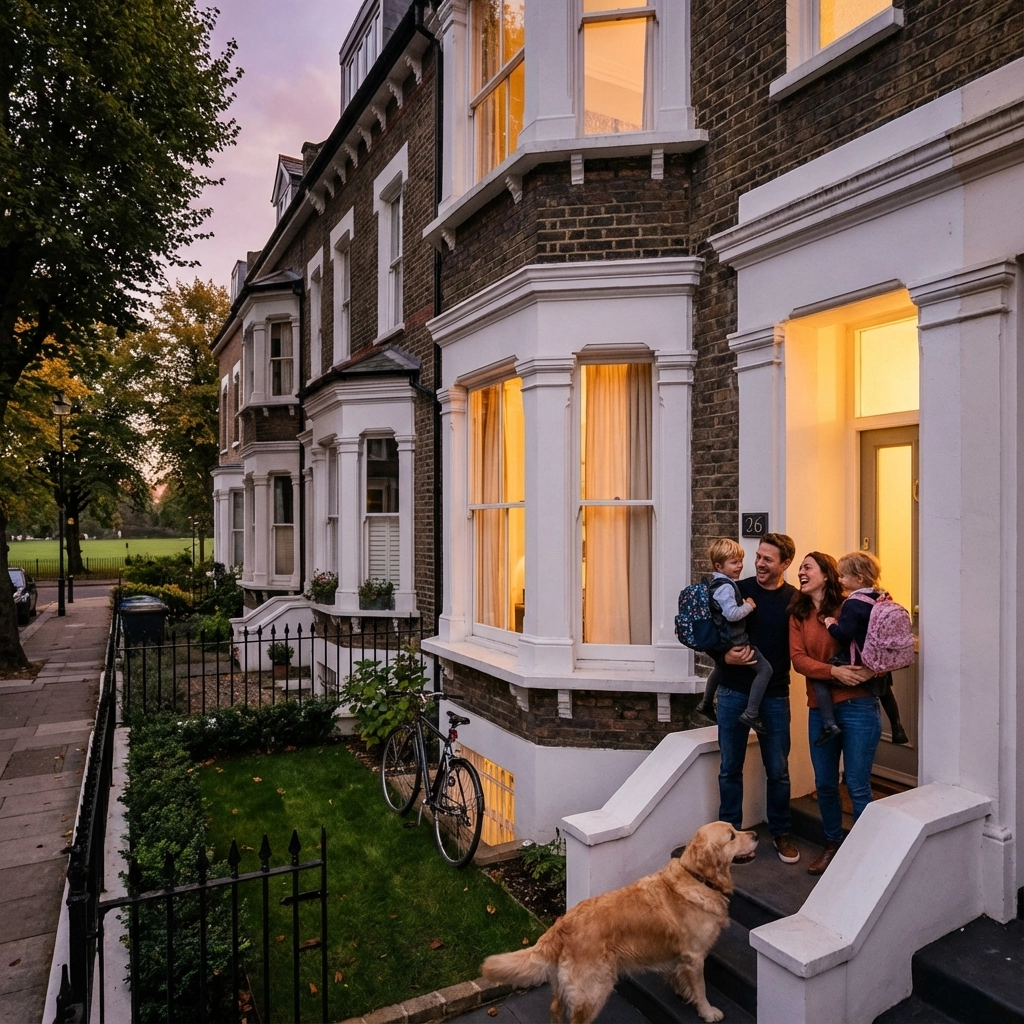
The property's location near the junction of several major roads created a complex acoustic environment. Traffic from Clapham Common South Side, combined with buses turning onto The Chase, produced variable noise levels that peaked at 78dB during morning and evening rush hours.
Working with Clapham area specialists, the family opted for a whole-house secondary glazing solution that addressed different acoustic challenges in different rooms. The front bedrooms received heavy-duty acoustic secondary glazing, while the rear family areas got standard thermal-acoustic units.
"It's transformed our quality of life," Kate reports. "The kids can sleep without being woken by early morning traffic, and we can actually have conversations in the front reception room without competing with bus engines."
The project also included a specialized child-safety locking system that maintains security while allowing controlled ventilation – crucial for family homes in conservation areas where window replacement isn't permitted.
Technical Solutions: How Secondary Glazing Works in Heritage Properties
The Conservation-Compliant Approach
Secondary glazing for heritage properties requires a completely different approach than standard residential installations. The heritage assessment specialists work within strict conservation guidelines that protect the visual integrity of period properties while delivering modern performance standards.
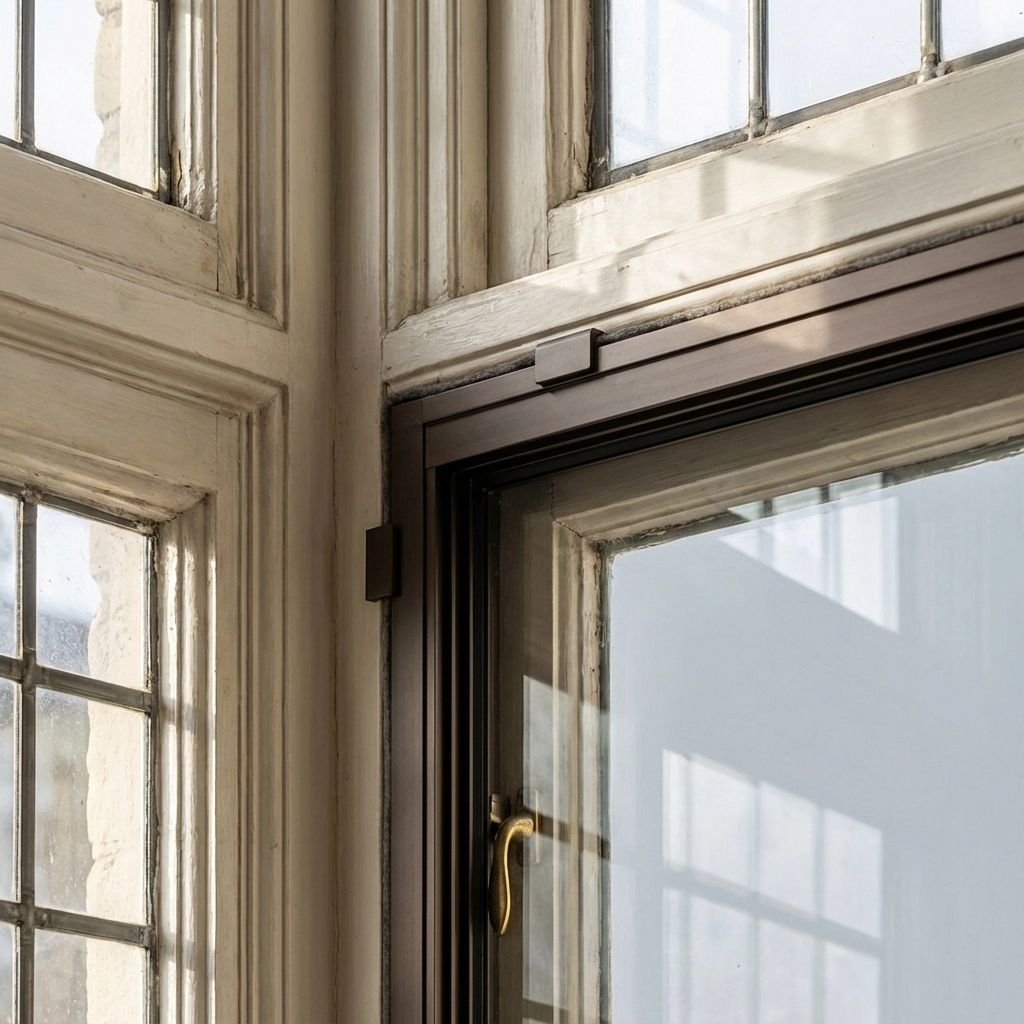
The key lies in reversibility. Unlike replacement windows, secondary glazing can be completely removed without leaving any trace on the original window frames. This reversibility is crucial for listed buildings and properties in conservation areas, where any permanent alteration requires planning permission that's often impossible to obtain.
Acoustic Performance in Urban Environments
The acoustic challenges in Clapham and Battersea go beyond simple traffic noise. The mix of low-frequency rumble from underground trains, mid-frequency traffic drone, and high-frequency pedestrian noise requires a multi-layered approach.
Quality secondary glazing systems use varying glass thicknesses to target different frequency ranges. A typical installation might combine 6mm glass in the secondary unit with the existing 4mm glass in the original window, creating a mass-spring-mass system that's particularly effective against traffic noise.
The air gap between panes acts as acoustic insulation, but only if properly sealed. Professional installations include magnetic closure systems and brush seals that eliminate acoustic bridging while maintaining easy operation for cleaning and ventilation.
Thermal Performance Benefits
While noise reduction drives most secondary glazing decisions in SW4 and SW11, the thermal benefits often exceed expectations. Properties built in the Victorian era typically have single-glazed windows with U-values around 5.0 W/m²K. Adding secondary glazing can reduce this to 2.5-3.0 W/m²K, delivering substantial energy savings.
For properties in the £800k-£2.5M range typical of these areas, the annual energy savings can run into hundreds of pounds. Over the 15-20 year lifespan of quality secondary glazing, these savings often offset the initial installation cost entirely.
Navigating Local Planning Requirements
Lambeth Council Guidelines (Clapham, SW4)
Lambeth Council's conservation area policies for Clapham emphasize maintaining the character and appearance of the area's Victorian and Edwardian streetscapes. The council generally supports secondary glazing as a reversible improvement that doesn't alter the external appearance of heritage properties.
Key requirements include:
- Secondary glazing frames must be positioned well back from the window opening
- External visibility should be minimal
- Original window furniture and glazing bars must remain unaltered
- Installation must not require any fixings to original window frames
Wandsworth Council Guidelines (Battersea, SW11)
Wandsworth Council takes a similarly supportive approach to secondary glazing in Battersea's conservation areas. The council recognizes that improving energy efficiency and acoustic comfort supports the long-term viability of heritage properties while preserving their character.
Specific guidance includes:
- Preference for internal secondary glazing over external storm windows
- Requirements for professional installation that protects original features
- Encouragement for solutions that improve accessibility and security
- Support for reversible improvements that enhance resident comfort
The Nightlife Balance: Living with Clapham's Social Scene
One of Clapham's biggest draws is also one of its biggest challenges for residents: the vibrant nightlife scene that stretches from Clapham Junction to Clapham North. The area's reputation as South London's entertainment hub brings energy and economic vitality, but it also brings noise that can extend well into the small hours.
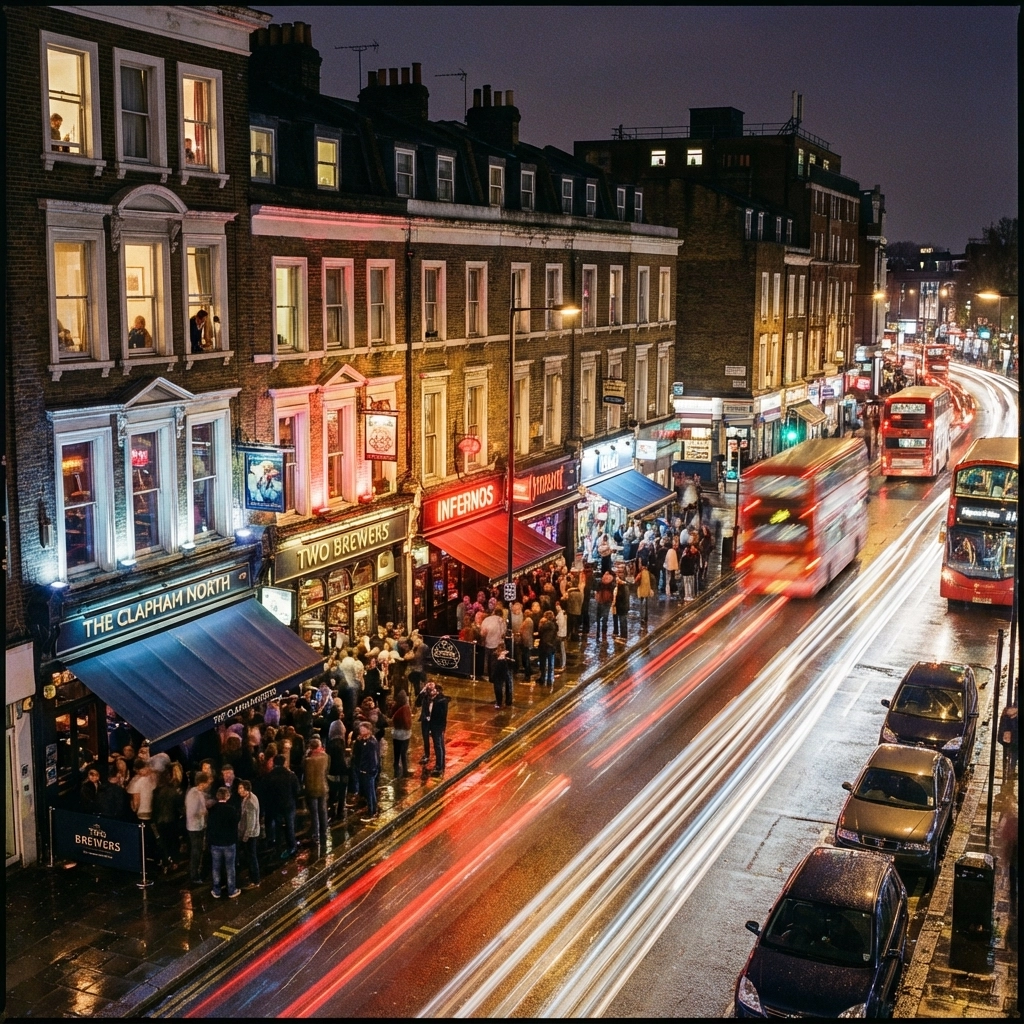
The challenge is particularly acute for properties near Clapham High Street, where the concentration of bars, clubs, and restaurants creates a steady flow of foot traffic from evening through early morning. Weekend noise can extend until 3-4 AM, particularly during summer months when outdoor seating areas remain busy late into the night.
Secondary glazing provides the acoustic isolation needed to enjoy the benefits of this location without suffering the consequences. Properties with effective secondary glazing can maintain comfortable internal noise levels even during peak weekend activity.
Traffic Management and Future Planning
Both Lambeth and Wandsworth councils are actively working on traffic management strategies that will affect noise levels in coming years. The expansion of Low Traffic Neighbourhoods (LTNs) around Clapham Common aims to reduce through-traffic on residential streets, while Battersea's ongoing regeneration includes new public transport links that may reduce road traffic volumes.
However, these changes won't address existing noise issues from main traffic arteries or the Northern Line. Property owners making decisions about acoustic improvements need solutions that work with current conditions rather than hoping for future improvements.
Financial Considerations: Investment vs. Return
Property Value Impact
Quality secondary glazing typically adds value to heritage properties in SW4 and SW11. Estate agents report that properties with effective acoustic and thermal improvements command premiums of 2-5% in these conservation areas, where replacement windows aren't an option.
For a £1.5M property, this translates to potential added value of £30-75k, while typical secondary glazing installations cost £15-25k for a whole house. The financial case becomes even stronger when energy savings are factored into long-term ownership costs.
Insurance and Maintenance Benefits
Secondary glazing can also deliver insurance benefits. Many insurers offer reduced premiums for properties with improved security features, and secondary glazing systems often include enhanced locking mechanisms that exceed original window security standards.
Maintenance costs for heritage properties often include expensive repairs to original window frames and glazing. Secondary glazing protects these original features from weather exposure, potentially reducing long-term maintenance requirements and preserving original materials for future generations.
Professional Installation: Getting It Right
Choosing Qualified Installers
The difference between excellent and poor secondary glazing lies largely in the quality of installation. Properties in conservation areas require installers who understand both the technical requirements and the planning restrictions that apply to heritage buildings.
Licensed Clapham installers should provide evidence of conservation area experience and offer guarantees that cover both materials and workmanship. References from similar properties in the area provide the best indication of likely satisfaction.
Professional installation includes:
- Detailed survey of existing window conditions
- Custom manufacturing to match exact window dimensions
- Careful protection of original features during installation
- Testing and adjustment to ensure optimal performance
- Comprehensive aftercare and maintenance guidance
Quality Assurance and Guarantees
Reputable installers offer product guarantees of 10-15 years, covering both materials and mechanical operation. Installation guarantees should cover any damage to original features and ensure proper acoustic and thermal performance.
The best approach involves requesting professional quotes from multiple suppliers to compare both technical specifications and installation approaches. Quality installers will provide detailed drawings showing how the secondary glazing integrates with existing windows without compromising heritage features.
Future-Proofing Your Investment
Adaptability and Reversibility
One advantage of secondary glazing over replacement windows is adaptability. Systems can be modified or upgraded as requirements change, without affecting the original window. This flexibility is particularly valuable in conservation areas where future planning restrictions may become more stringent.
Quality secondary glazing systems also maintain access to original window mechanisms, ensuring that heritage features remain functional for future generations. This reversibility protects property owners against changing conservation policies while delivering immediate comfort benefits.
Integration with Smart Home Technology
Modern secondary glazing systems can integrate with smart home automation, including automated opening for ventilation and integration with security systems. These features add convenience without compromising the heritage character that makes Clapham and Battersea properties so desirable.
Making the Decision: When Secondary Glazing Makes Sense
Secondary glazing makes particular sense for properties in SW4 and SW11 when:
- Conservation area restrictions prevent window replacement
- Traffic or railway noise significantly impacts quality of life
- Energy bills are high due to poor thermal performance
- Original windows are architecturally significant and worth preserving
- Property value enhancement is a priority
- Family circumstances require better acoustic isolation
The combination of heritage value protection and modern comfort improvement makes secondary glazing an ideal solution for the young professionals and growing families who increasingly call Clapham and Battersea home.
Getting Started
The first step involves a professional assessment that evaluates both the acoustic challenges specific to your property and the conservation requirements that apply to your building. This assessment should be free and include specific recommendations tailored to your situation and budget.
For properties in conservation areas, the assessment should also include guidance on any planning considerations and confirmation that the proposed solution complies with local council requirements.
Contact secondary glazing specialists who understand the unique challenges of SW4 and SW11 properties to discuss your specific requirements and explore the options that will work best for your heritage home.
Living in Clapham and Battersea means embracing the best of urban London while preserving the heritage character that makes these areas special. Secondary glazing provides the bridge between Victorian elegance and modern comfort, allowing you to enjoy your investment in one of London's most desirable postcodes without compromise.
People Also Ask
Related questions could not be generated at this time.
Frequently Asked Questions
FAQs could not be generated at this time.
Related Articles
Plan Your Clapham & Battersea Project
Cost Calculators & Planning Tools
Before booking a survey, model the noise reduction, price up your project, and check heritage compliance using our specialist tools — built specifically for London properties like those in Lambeth & Wandsworth.
Secondary Glazing Cost
Per-window pricing for Clapham & Battersea from £580. Whole-house estimates included.
Interactive Cost Estimator
Get an instant tailored quote based on window count, glass spec and postcode.
Heritage Sash Calculator
Listed-building cost & compliance estimator — ideal for Lambeth & Wandsworth conservation areas.
Secondary vs Double Glazing
Side-by-side STC ratings, cost and heritage suitability comparison.
Free Acoustic Calculator
Model the exact decibel reduction for your specific noise problem.
Secondary Glazing London
The complete London-wide hub: every glass spec, borough and listed-building rule.
Next Step
Book a Free Noise Survey
Get a tailored acoustic report and fixed quote for your property. No obligation, surveys across London within 5 working days.