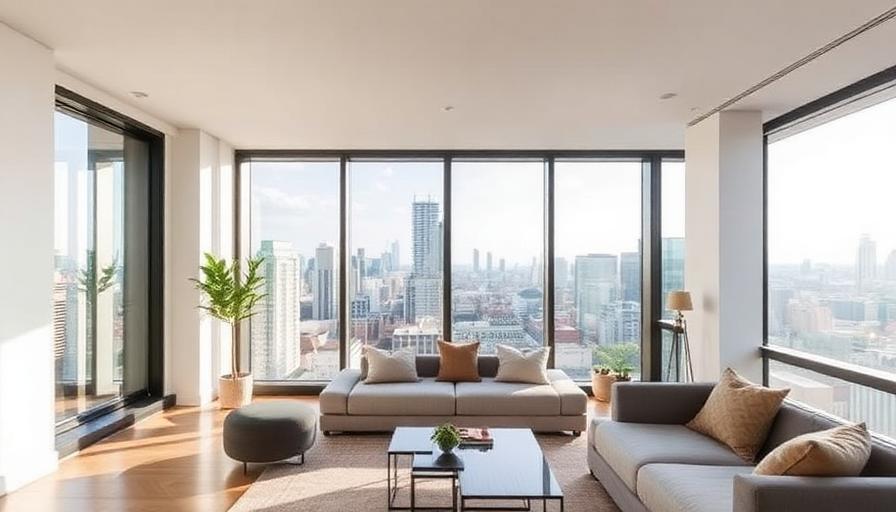
Living in a noisy environment can seriously impact your quality of life. Whether it's traffic noise, noisy neighbors, or urban construction, unwanted sound can disrupt your sleep, reduce productivity, and increase stress levels. This comprehensive guide will walk you through everything you need to know about soundproof windows in 2025.
Understanding Sound Transmission Class (STC)
The Sound Transmission Class (STC) rating measures how well a building partition attenuates airborne sound. For windows, higher STC ratings mean better noise reduction:
- STC 25-27: Standard single-pane window
- STC 28-32: Standard double-pane window
- STC 38-42: Quality soundproof window
- STC 48-54: High-performance soundproof window
- STC 55+: Premium soundproof solution
STC Rating Calculator
Here's a simple calculation to understand decibel reduction:
interface STCRating {
  rating: number;
  description: string;
  decibelReduction: number;
}

function calculateNoiseReduction(stcRating: number): string {
  if (stcRating < 30) {
    return "Normal speech easily understood";
  } else if (stcRating < 35) {
    return "Loud speech understood fairly well";
  } else if (stcRating < 40) {
    return "Loud speech audible but not intelligible";
  } else if (stcRating < 45) {
    return "Must strain to hear loud speech";
  } else if (stcRating < 50) {
    return "Loud speech barely audible";
  } else {
    return "Loud speech not audible";
  }
}

// Example usage
const myWindowSTC = 42;
console.log(calculateNoiseReduction(myWindowSTC));
// Output: "Loud speech audible but not intelligible"
Types of Soundproof Windows
1. Laminated Glass Windows
Laminated glass consists of two or more glass panes bonded with a plastic interlayer (typically PVB). This construction dampens sound vibrations effectively.
Pros:
- Excellent sound dampening
- Improves safety and security
- Blocks 99% of UV rays
- STC ratings of 35-40
Cons:
- More expensive than standard glass
- Heavier weight requires sturdy frames
2. Double-Pane Windows (IGU)
Insulated Glass Units feature two panes separated by an air or gas-filled space. The gap disrupts sound wave transmission.
Optimal configurations:
- Different thickness panes (e.g., 6mm + 8mm)
- Wider air gaps (12mm or more)
- Argon or krypton gas fill
- STC ratings of 32-38
3. Secondary Glazing
Secondary glazing adds an independent window panel inside your existing window, creating an air gap that blocks sound.
Key benefits:
- Most cost-effective solution
- No structural changes needed
- Preserves original windows
- STC improvement of 10-15 points
4. Triple-Pane Windows
Three panes of glass with two insulating gaps provide maximum sound reduction.
Specifications:
- STC ratings up to 48
- Excellent thermal insulation
- Heavy and expensive
- Requires robust framing
Installation Cost Breakdown (2025)
Here's a realistic cost comparison for a standard window (3ft x 5ft):
| Solution | Material Cost | Installation | Total | STC Gain |
|---|---|---|---|---|
| Secondary Glazing | $200-400 | $100-200 | $300-600 | +10-15 |
| Laminated Retrofit | $400-700 | $300-500 | $700-1,200 | +8-12 |
| New Double-Pane | $600-1,000 | $400-700 | $1,000-1,700 | +15-20 |
| Triple-Pane | $1,200-2,000 | $500-900 | $1,700-2,900 | +20-25 |
DIY vs Professional Installation
DIY Secondary Glazing Kit
For handy homeowners, secondary glazing offers a manageable DIY project:
# Tools needed:
- Measuring tape
- Drill with bits
- Level
- Screwdriver
- Silicone sealant
- Clean cloths

# Installation steps:
1. Measure window opening precisely
2. Clean window frame thoroughly
3. Install mounting brackets
4. Attach magnetic strips or hinges
5. Mount secondary panel
6. Seal gaps with acoustic sealant
7. Test operation and adjust
When to Hire Professionals
Consider professional installation if:
- Working with structural modifications
- Installing full window replacements
- Dealing with large or complex windows
- Requiring warranty coverage
- Building code compliance needed
Real-World Performance Data
Based on 2024 acoustic testing data from independent labs:
Traffic Noise Reduction
- Before: 70-75 dB (busy urban street)
- After (Secondary Glazing): 55-60 dB (normal conversation level)
- After (Triple-Pane): 45-50 dB (quiet library level)
Sleep Quality Impact
Studies show that reducing bedroom noise below 40 dB significantly improves:
- Sleep onset time: 25% faster
- Deep sleep duration: 35% longer
- Morning alertness: 40% improvement
Maintenance and Longevity
Expected Lifespan
- Secondary glazing panels: 15-20 years
- Double-pane IGU seals: 10-20 years
- Laminated glass: 20-30 years
- Window frames: 20-50 years (material dependent)
Annual Maintenance Checklist
interface MaintenanceTask {
  task: string;
  frequency: 'monthly' | 'quarterly' | 'annually';
  difficulty: 'easy' | 'moderate' | 'professional';
}

const maintenanceSchedule: MaintenanceTask[] = [
  {
    task: 'Clean glass surfaces inside and out',
    frequency: 'monthly',
    difficulty: 'easy'
  },
  {
    task: 'Check seals for gaps or cracks',
    frequency: 'quarterly',
    difficulty: 'easy'
  },
  {
    task: 'Lubricate hinges and locks',
    frequency: 'quarterly',
    difficulty: 'easy'
  },
  {
    task: 'Inspect weatherstripping',
    frequency: 'annually',
    difficulty: 'moderate'
  },
  {
    task: 'Professional acoustic testing',
    frequency: 'annually',
    difficulty: 'professional'
  }
];
Common Mistakes to Avoid
1. Ignoring Air Gaps
Sound travels through even tiny gaps. Always seal:
- Around window frames
- Where frames meet walls
- Electrical outlets near windows
- HVAC vents in the same room
2. Wrong Glass Thickness Combination
For double-pane windows, using equal thickness panes (e.g., 6mm + 6mm) creates resonance that actually amplifies certain frequencies. Always use asymmetric configurations like 6mm + 8mm.
3. Overlooking Flanking Paths
Sound doesn't just come through windows—it travels through:
- Walls adjacent to windows
- Ceiling and floor joists
- Electrical conduits
- HVAC ductwork
Address these paths for maximum effectiveness.
Conclusion
Soundproof windows are a worthwhile investment that pays dividends in improved quality of life, better sleep, and increased property value. The right solution depends on your specific noise challenges, budget, and building constraints.
For most homeowners, secondary glazing offers the best balance of performance, cost, and ease of installation. If you're planning renovations anyway, investing in high-quality double or triple-pane windows provides long-term benefits.
Next Steps
- Measure your current noise levels using a smartphone decibel meter app
- Identify your main noise sources (traffic, neighbors, aircraft, etc.)
- Set your target STC rating based on desired noise reduction
- Get multiple quotes from reputable installers
- Consider phased installation starting with bedrooms or home office
Ready to transform your space into a peaceful sanctuary? Get a free consultation and quote from our acoustic experts today.
Related Articles

Next Step
Book a Free Noise Survey
Get a tailored acoustic report and fixed quote for your property. No obligation, surveys across London within 5 working days.