Secondary Glazing for Listed Buildings: Complete Planning & Installation Guide
Key Takeaways
- 1Secondary glazing is the preferred solution for listed buildings as it preserves original windows while improving insulation.
- 2Listed Building Consent is usually required for installations to ensure the property's historical character remains protected.
- 3Historic England supports secondary glazing because it allows for energy efficiency improvements without permanent structural alterations.
- 4Homeowners must consult their local planning authority before installation to avoid potential legal enforcement and criminal charges.
- 5Secondary glazing effectively resolves modern issues like draughts and noise pollution in Grade I and II listed properties.
If you own a listed building, you'll know the challenges of improving energy efficiency while preserving historical character. You can't simply replace those beautiful original windows with modern double glazing, but you don't have to suffer with draughts and noise either. Secondary glazing offers the perfect solution, allowing you to enhance comfort and performance without compromising your property's heritage value.
Why Listed Buildings Need Secondary Glazing
Listed buildings face unique challenges that make secondary glazing not just beneficial, but often essential:
Original Windows Must Be Preserved: Listed building regulations strictly protect original windows as key architectural features. Whether your property features Georgian sash windows, Victorian casements, or medieval mullions, these windows contribute significantly to the building's character and cannot be altered or replaced.
Conservation Requirements: As a listed building owner, you have a legal duty to preserve your property's special architectural and historical interest. This means maintaining original features while finding sympathetic ways to improve livability.
Energy Efficiency Challenges: Original single-glazed windows, while beautiful, offer minimal thermal insulation. Combined with traditional construction methods, this can result in significant heat loss and high energy bills.
Noise and Draught Issues: Historical windows often have gaps that develop over centuries, leading to uncomfortable draughts and poor sound insulation, particularly problematic if your listed building faces busy roads or is located in urban areas.
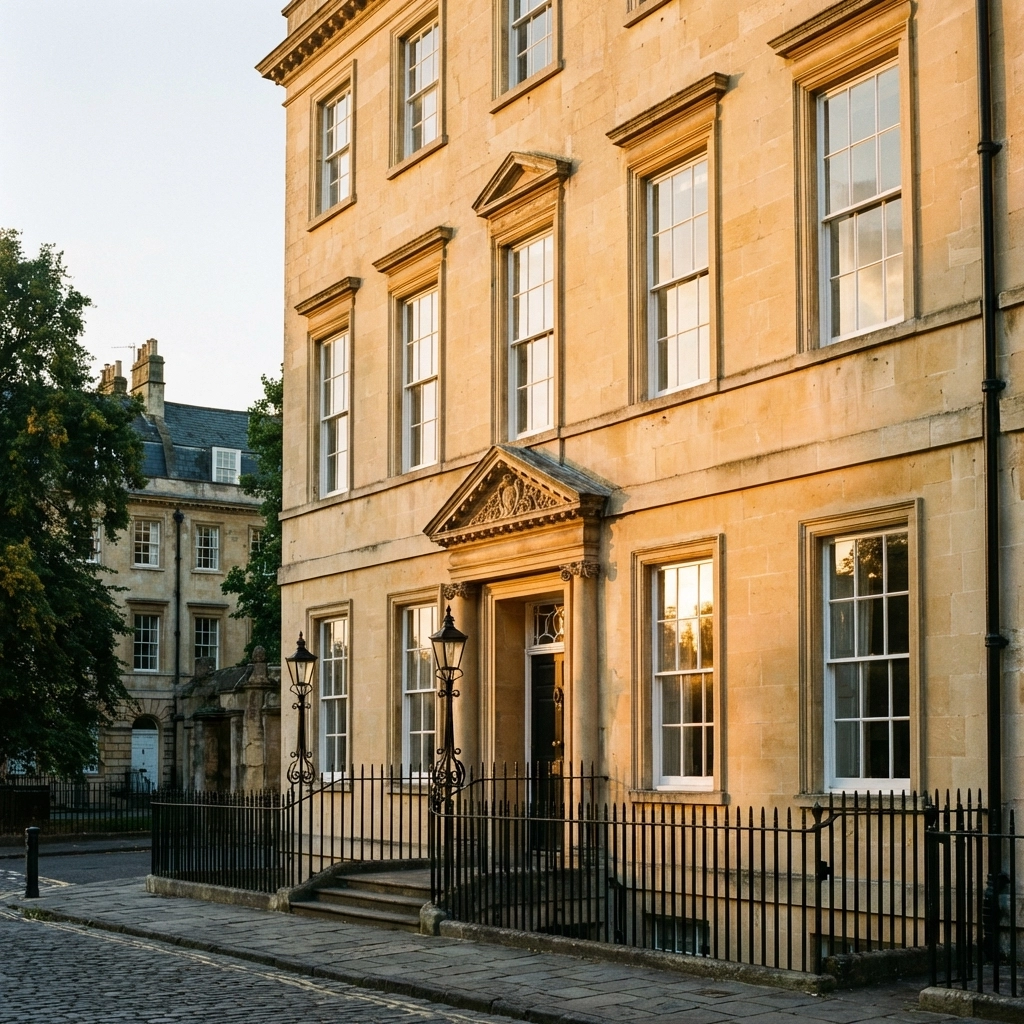
Secondary glazing addresses all these issues while respecting conservation principles. Historic England explicitly supports this approach, stating that "secondary glazing, when carefully designed and installed, allows the original windows to be retained unaltered and repaired where necessary, while reducing air leakage and conducted heat losses."
Understanding Planning Permission and Listed Building Consent
Listed Building Grades Explained
Grade I Listed Buildings (2.5% of listings): Buildings of exceptional interest, often internationally significant. These include major churches, castles, and architecturally outstanding buildings. Any alterations require the most careful consideration.
Grade II Listed Buildings* (5.8% of listings): Particularly important buildings of more than special interest. These might include significant country houses, important industrial buildings, or buildings by renowned architects.
Grade II Listed Buildings (91.7% of listings): Buildings of special interest that warrant preservation. This includes most residential listed properties, Georgian terraces, Victorian villas, and period cottages.
When Do You Need Consent?
For most listed buildings, Listed Building Consent is required before installing secondary glazing, regardless of grade. This is separate from planning permission and applies to any works that might affect the building's special character.
Important: Some sources suggest secondary glazing may be exempt from planning permission because it's reversible, but this varies by local authority and building grade. Always check with your local planning authority, the consequences of proceeding without proper consent can be severe, including criminal charges and enforcement action requiring removal.
Conservation Area Considerations
Properties in Conservation Areas may face additional requirements, particularly if covered by an Article 4 Direction. These can restrict even "permitted development" rights, potentially requiring Conservation Area consent alongside Listed Building Consent.
The Application Process: Step-by-Step Guide
1. Initial Research and Consultation
Contact Your Local Planning Authority: Start by confirming your property's listed status and any additional designations. Each council's planning department can provide application forms and guidance specific to your area.
Engage with the Conservation Officer Early: Before submitting a formal application, arrange a pre-application discussion. Conservation officers can provide invaluable guidance on what approaches are likely to succeed, potentially saving time and money on unsuccessful applications.
2. Preparing Your Application
Your application should include:
- Detailed drawings showing existing windows and proposed secondary glazing
- Specifications of the secondary glazing system
- Heritage statement explaining how the proposals preserve the building's character
- Photographs of existing windows from multiple angles
3. Working with Heritage Specialists
Choose installers with proven experience in heritage properties. Look for:
- FENSA or CERTASS certification for building regulations compliance
- Conservation accreditation or demonstrated heritage experience
- Portfolio of listed building projects with planning approvals
- Understanding of period architecture and conservation principles
Approved Secondary Glazing Systems for Heritage Properties
Slim Profile Systems
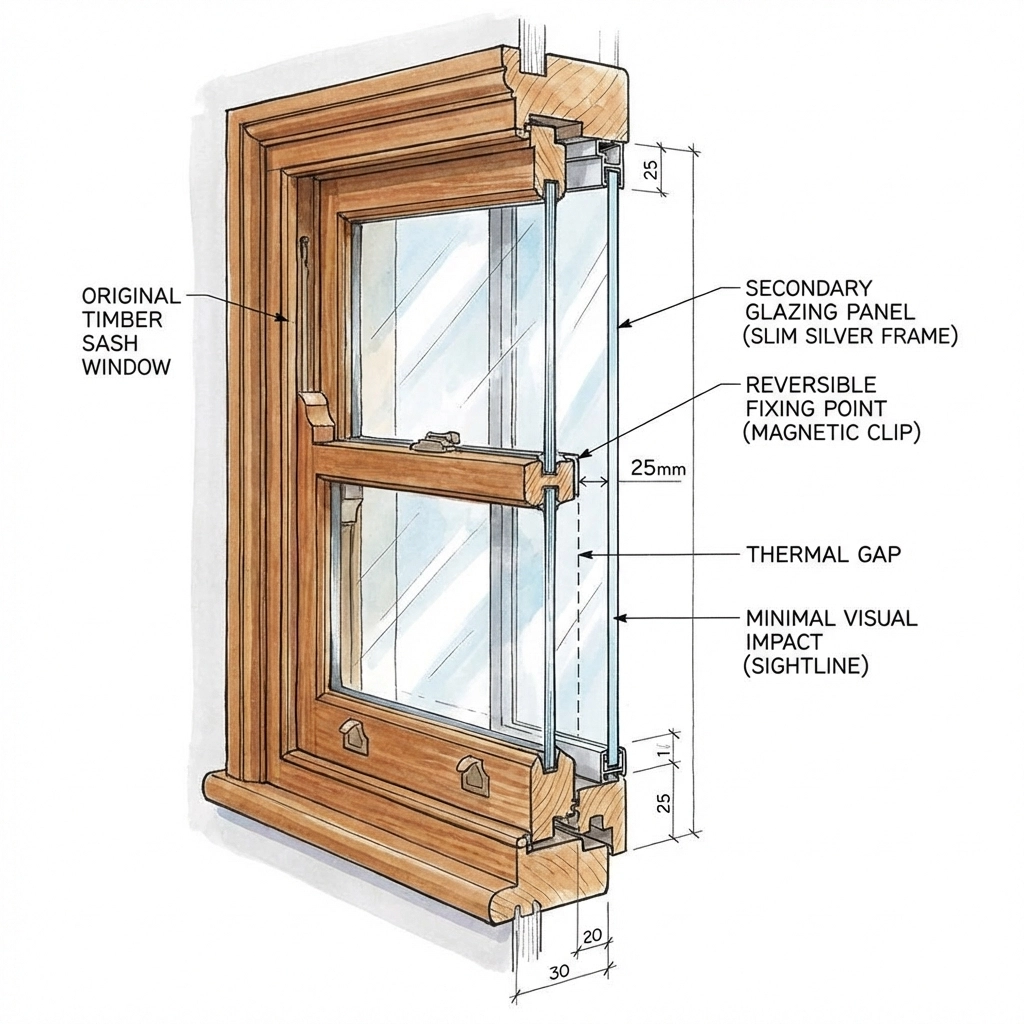
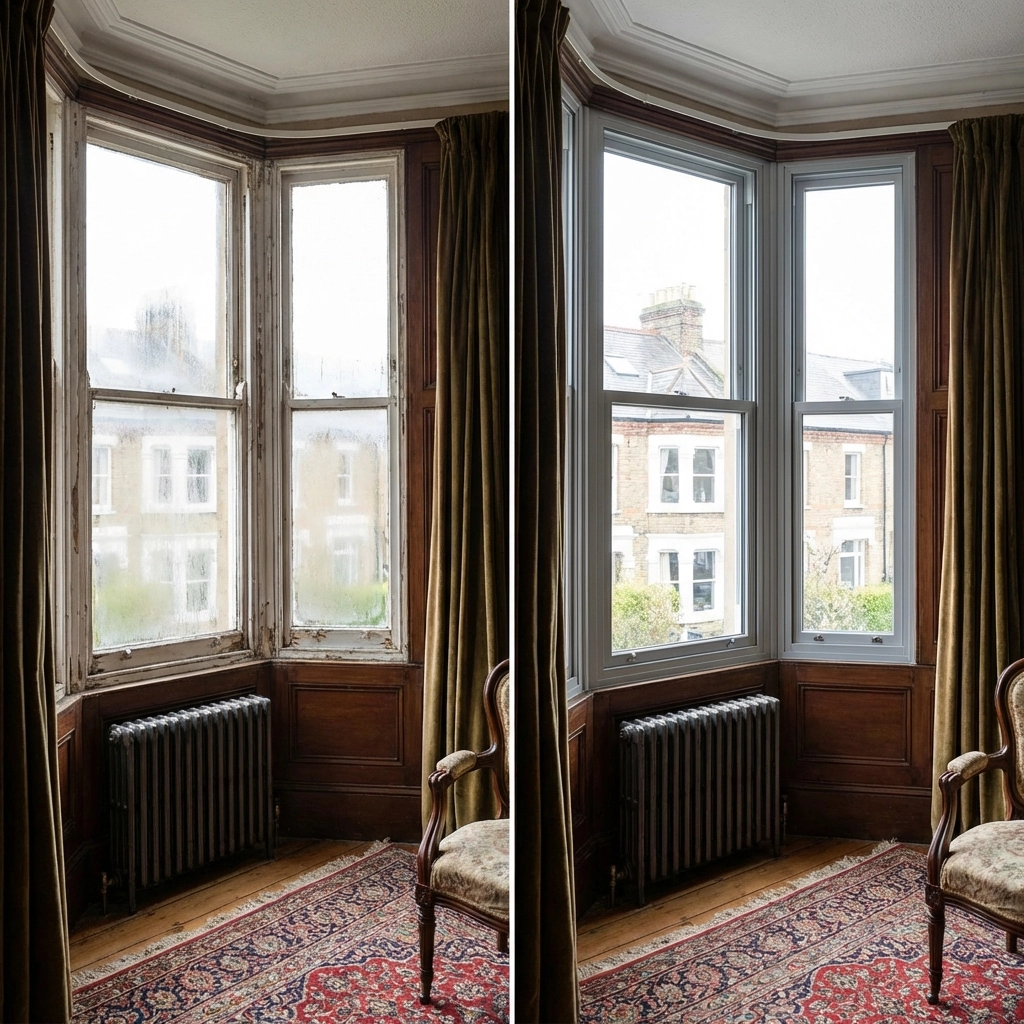
Modern secondary glazing systems designed for heritage properties feature incredibly slim profiles that minimize visual impact. Premium systems can achieve frame depths of just 15-20mm, making them virtually invisible from both inside and outside.
Sympathetic Design Features
Period-Appropriate Finishes: Choose frames that complement your existing windows. White or cream finishes work well with painted timber frames, while brown or bronze options suit natural wood or metal originals.
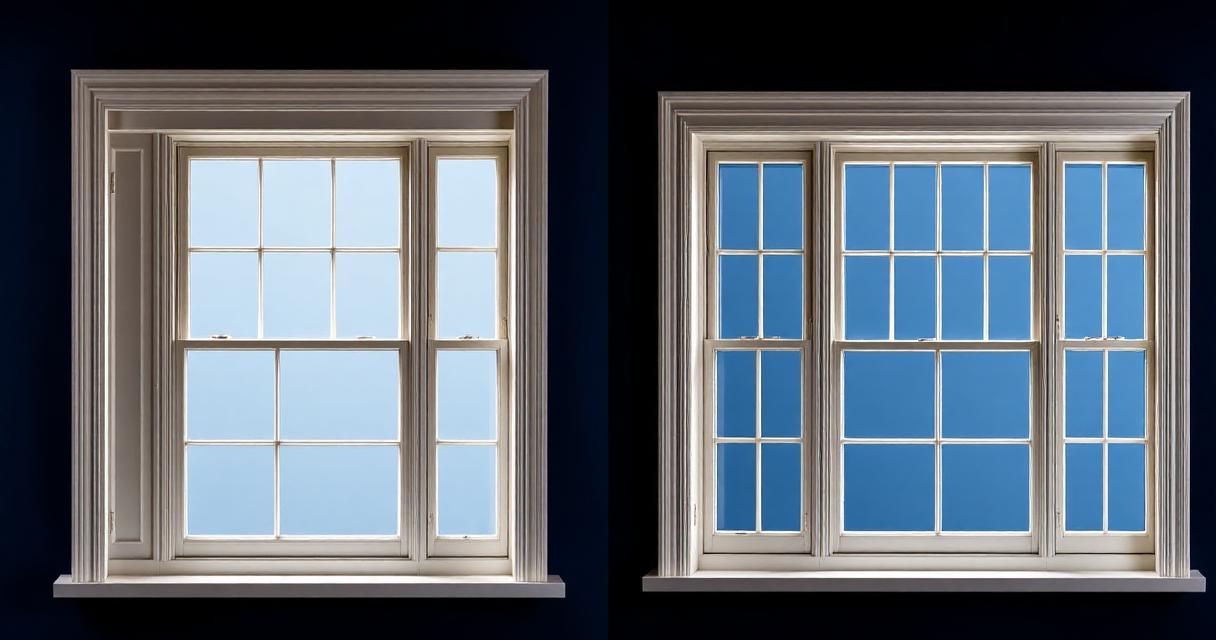
Matching Glazing Bars: For windows with glazing bars or mullions, secondary glazing can incorporate matching dividers to maintain the original proportions and appearance.
Reversible Installation: All fixings should be designed for complete removal without damage to original window frames or surrounding stonework/brickwork.
Conservation-Friendly Installation Methods
Internal Mounting: Secondary glazing is typically installed on the room side of existing windows, avoiding external alterations that might affect the building's appearance or fabric.
Minimal Fixings: Modern systems use discrete magnetic or clip-on fittings that minimize the number of fixing points required.
No Structural Alteration: Proper heritage secondary glazing never requires cutting into stone mullions, timber frames, or other original architectural features.
Case Studies: Listed Building Success Stories
Georgian Townhouse, Bath (Grade II)
Challenge: 1780s townhouse with original sash windows facing busy road. Owners struggled with traffic noise and heat loss while wanting to preserve authentic character.
Solution: Slim-profile secondary glazing with vertical sliding operation matching original sash movement. Bronze finish complemented period ironmongery.
Results:
- 15dB noise reduction (75% decrease in perceived sound)
- 45% reduction in heat loss
- Planning approval granted within 8 weeks
- Original windows remained completely unaltered
Cost: £15,000 for 12 windows including planning fees
Victorian Villa, Edinburgh (Grade II)
Challenge: 1890s villa in Conservation Area with bay windows and decorative glazing bars. Previous planning applications for double glazing had been refused.
Solution: Bespoke secondary glazing incorporating matching glazing bar pattern. Removable panels for easy cleaning access.
Results:
- Planning approval with conservation officer recommendation
- Maintained original window proportions perfectly
- 40% improvement in thermal efficiency
- Eliminated draughts completely
Cost: £8,500 for 8 windows including heritage consultation
Grade I Manor House, Cotswolds
Challenge: 16th-century manor with leaded light windows and irregular openings. Extremely strict planning constraints due to Grade I status.
Solution: Hand-crafted secondary glazing with individual panel designs matching each unique opening. Traditional putty glazing methods used for authenticity.
Results:
- Unanimous planning approval after heritage impact assessment
- Perfect integration with medieval architecture
- Significant comfort improvement without compromising character
- Fully reversible installation preserving original lead cames
Cost: £25,000 for 20 windows including specialist heritage consultation
Cost Guide for Listed Buildings
Survey and Planning Requirements
| Item | Cost Range |
|---|---|
| Heritage Assessment | £980-£1,500 |
| Listed Building Consent Application | £206 (government fee) |
| Conservation Officer Consultation | £150-£300/hour |
| Architect/Planning Consultant | £1,000-£3,000 |
System Costs
| System Type | Cost per Square Meter |
|---|---|
| Standard Heritage Secondary Glazing | £400-£800 |
| Premium Slim Profile Systems | £600-£1,200 |
| Bespoke Systems for Complex Windows | £800-£1,500 |
| Installation per window | £150-£300 |
Additional Considerations
Listed building installations often incur premiums due to:
- Careful handling requirements
- Access restrictions (scaffolding costs)
- Longer installation times
- Specialist knowledge requirements
- Potential for complications with irregular openings
Grants and Funding Available
Historic England Grants: Available for Grade I and II* buildings, typically covering 25-40% of conservation work costs
Local Authority Grants: Some councils offer energy efficiency grants that include secondary glazing
VAT Relief: Listed building conservation work qualifies for reduced VAT rates (currently 0% for Grade I, 5% for Grade II/II*)
Green Homes Grant: Where still available, secondary glazing may qualify under energy efficiency improvements
Working with Conservation Officers
Conservation officers are your allies, not obstacles. They want to help you improve your property while protecting its heritage value. Here's how to build a positive relationship:
Prepare for Meetings
Research Your Building's History: Understand your property's significance and what features are most important to preserve
Present Multiple Options: Show you've considered different approaches and explain why secondary glazing is most appropriate
Demonstrate Reversibility: Emphasize that secondary glazing can be completely removed if future needs change
Key Questions to Ask
- Which secondary glazing systems have been approved for similar properties in the area?
- Are there specific design requirements for the conservation area?
- Would the officer prefer to see samples or mock-ups before application?
- Are there any particular concerns about the building's special features?
Essential Maintenance and Long-term Considerations
Ongoing Responsibilities
Original Window Maintenance: Secondary glazing protects original windows from weather, but regular maintenance remains essential
System Care: Quality secondary glazing should last 20+ years with minimal maintenance
Planning Conditions: Some approvals include conditions about maintenance or eventual removal
Future Considerations
Reversibility Promise: Keep installation records and fixing details for potential future removal
Insurance Implications: Inform insurers about improvements, secondary glazing often reduces premiums
Property Value: Well-executed heritage secondary glazing typically adds value, particularly in Conservation Areas
Frequently Asked Questions
Do I definitely need Listed Building Consent for secondary glazing?
For most listed buildings, yes. Even if your local authority considers secondary glazing "permitted development," it's safer to apply for consent. The process typically takes 8-12 weeks and costs £206.
Will secondary glazing damage my original windows?
Properly designed heritage secondary glazing uses minimal, reversible fixings that don't damage original frames or glazing. Installation should be completely removable without trace.
How much noise reduction can I expect?
Secondary glazing typically achieves 10-15dB noise reduction, which represents a 50-75% decrease in perceived sound levels. Performance depends on the gap between panes and quality of seals.
Can I get secondary glazing for unusual window shapes?
Yes, bespoke secondary glazing can be manufactured for virtually any window configuration, including arched, circular, or irregular openings common in historic buildings.
What about Building Regulations approval?
Secondary glazing doesn't typically require Building Regulations approval as it's not a structural alteration. However, verify this with your local authority if installing as part of broader renovation work.
How long does planning approval take?
Listed Building Consent applications typically take 8-12 weeks from submission to decision. Pre-application discussions with conservation officers can help ensure smoother approval.
Making Your Decision
Secondary glazing represents the ideal solution for listed building owners who refuse to compromise between heritage preservation and modern comfort. With careful planning, appropriate system selection, and proper professional guidance, you can achieve remarkable improvements in thermal and acoustic performance while fully respecting your property's historical significance.
The key to success lies in early engagement with your local planning authority, choosing experienced heritage specialists, and selecting systems specifically designed for conservation environments. While the process requires patience and investment, the results: improved comfort, reduced energy costs, and enhanced property value: make it worthwhile for most listed building owners.
Ready to explore secondary glazing options for your heritage property? Our secondary glazing cost calculator can provide initial estimates, while our heritage specialists offer free consultations to discuss your specific requirements and planning considerations.
Sources & References
Government & Regulatory
- Historic England. "Traditional Windows: Their Care, Repair and Upgrading". Historic England Publishing, 2017.Link
This is the definitive guide from Historic England regarding the thermal upgrade of windows, specifically recommending secondary glazing for listed buildings.
- Ministry of Housing, Communities & Local Government. "National Planning Policy Framework (NPPF) - Section 16: Conserving and enhancing the historic environment". GOV.UK, 2023.Link
Provides the official framework for planning and conservation, detailing the legal requirements for protecting the 'special interest' of listed buildings.
- Historic Environment Scotland. "Slim-profile Double Glazing and Secondary Glazing in Traditional Windows". Technical Paper 9, 2010.Link
Offers technical research confirming that secondary glazing can reduce heat loss through single-glazed timber windows by over 60%.
Scientific & Technical
- Baker, P.. "Thermal Performance of Traditional Windows and Low-cost Energy-saving Measures". Glasgow Caledonian University / Historic Scotland, 2009.Link
A peer-reviewed study evaluating the effectiveness of various window retrofitting methods for heritage buildings, including secondary glazing.
- English Heritage / BRE. "The thermal and acoustic performance of secondary glazing for historical buildings". Building Research Establishment (BRE) Research Report, 2005.
A study providing data on the acoustic performance of secondary glazing compared to single and standard double glazing.
Industry Standards
- British Standards Institution. "BS 8213-4:2016 Windows and doors - Code of practice for the survey and installation of windows and external doorsets". BSI Standards Development, 2016.Link
The primary British Standard for the design and installation of windows, including performance requirements relevant to secondary glazing.
Citations generated with AI assistance. Please verify sources independently.
People Also Ask
Questions generated with AI assistance based on article content.
Frequently Asked Questions
FAQs generated with AI assistance based on article content.
Related Articles
Next Step
Book a Free Noise Survey
Get a tailored acoustic report and fixed quote for your property. No obligation, surveys across London within 5 working days.